
Patrick Clancy blasts court after shocking mistrial, vows never closure
**The Weight of an Unfinished Trial: Patrick Clancy’s Painful Silence After a Case That Left No Answers**
The Plymouth County courthouse stood heavy with the quiet aftermath of a trial that refused to deliver justice. Outside, reporters huddled under umbrellas—rain had begun to fall, as if mirroring the mood inside.
Inside, the jury had spent seven days locked in deliberation, their voices muffled behind closed doors, their decision unraveling like a thread pulled too hard. Then, at last, the judge announced it: a mistrial. No verdict, no resolution.
Just the hollow echo of a legal system that had failed to answer the most pressing question of all.
A father who had already lost his children to tragedy now faces the impossible: the prospect of reliving it all again. Patrick Clancy, once a central figure in the case, has never been charged with a crime, yet his name has been dragged through the mud by social media mobs and whispered in courtrooms.
His voice—raw, desperate—was captured forever in a 911 call played for the jury: *"She killed the kids!"* The words still hang in the air, a scream without resolution.
The trial had been a gauntlet. Six weeks of testimony, of photographs of three small faces—Cora, Dawson, Callan—smiling in innocence before their lives were snuffed out in January 2023.
Of a mother paralyzed from the waist down after her apparent suicide attempt, a woman whose defense rested on the fragility of a mind unmoored by postpartum psychosis and bipolar disorder. The jury, after all they heard, could not agree.
---
## **A Case Built on Loss—and Unanswered Questions**
This was never going to be a simple murder trial. From the moment Lindsay Clancy’s name entered the public consciousness, the story transcended legal proceedings. It was a tragedy so brutal it defied comprehension: a mother taking the lives of her own children, then trying to end her own.
The defense’s argument—that she was too broken to know right from wrong—challenged not just the law, but the very nature of guilt and responsibility.
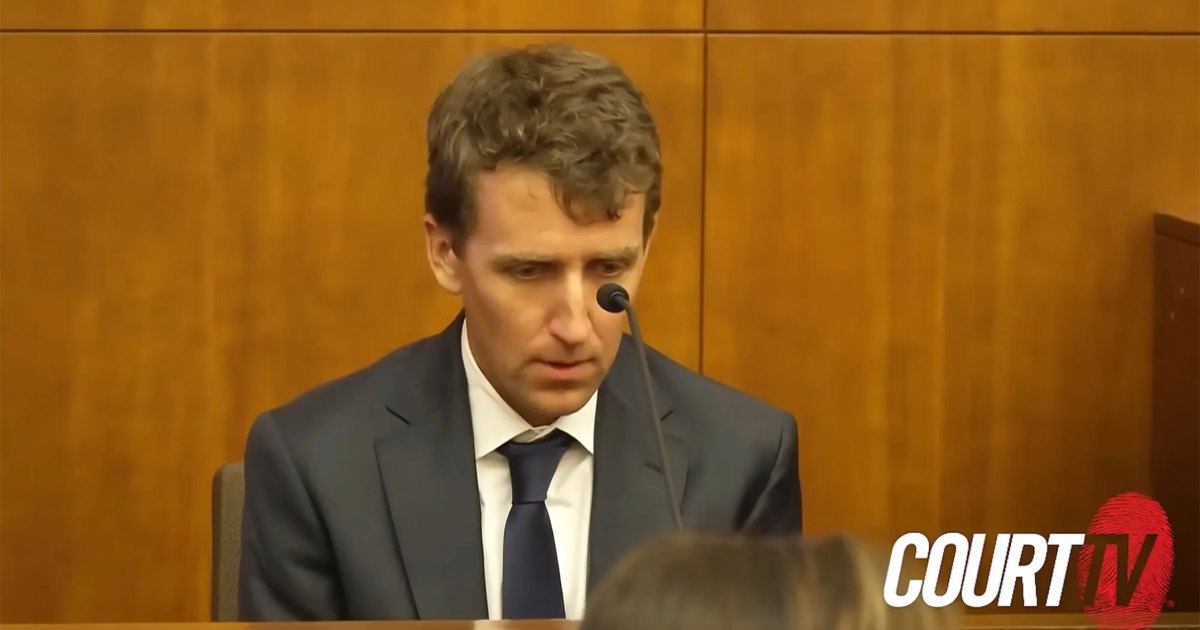
The trial’s central conflict wasn’t just between prosecution and defense. It was between two versions of a shattered life. Patrick Clancy, the ex-husband, testified to finding his wife at the foot of a second-story window, her children dead inside.
His grief was undeniable, his fury understandable. Yet the 911 call, played for the jury, became a lightning rod. Was he a grieving father?
A man consumed by betrayal? Or something else entirely? The internet, ever eager to assign blame, had already decided.
Reddit threads, Facebook posts, and anonymous forums buzzed with speculation—some accusing him of complicity, others questioning his credibility.
What made the case so agonizing was that no one emerged unscathed. The prosecution, led by District Attorney Tim Cruz, had staked everything on proving Lindsay Clancy’s actions were deliberate. But the defense painted a portrait of a woman drowning in illness, a mind so unraveled that she could not have formed intent.
The jury’s deadlock suggested they were grappling with the same impossible question: *How do you convict someone who may not have known what she was doing?*
---
## **The Jurors Walked Free—But No One Won**
When the mistrial was declared, the courtroom exhaled in unison. No one celebrated. No one mourned.
There was only the exhaustion of a case that had demanded more than it could deliver. Outside, Lindsay Clancy’s attorney, Kevin Reddington, stood before reporters with an air of cautious defiance. He didn’t gloat.
He didn’t mock the prosecution. Instead, he zeroed in on Patrick Clancy, the man at the center of so much suspicion.
*"Patrick, you heard the 911 call,"* Reddington said, as if the tape alone could settle the matter. ** It was a pointed jab, implying that Patrick’s credibility—or lack thereof—had hung in the balance. The defense had spent weeks portraying him as a man consumed by rage, a narrative that seemed to stick with the jurors.
Yet the real victory, if there was one, belonged to the children. Cruz, the prosecutor, returned to them in his remarks, his voice thick with frustration. ** he said. *"Children were murdered, and it’s our job to seek justice."* But justice, in this case, had become a moving target. The mistrial didn’t absolve Lindsay Clancy.
It didn’t clear Patrick’s name. It only proved that some truths are too heavy for twelve people to carry.
The defense, meanwhile, had made their point: that the prosecution’s case was built on shaky ground. Reddington’s client, they argued, was a woman battling a mind that had betrayed her long before that fatal day.
The jury’s split vote suggested they were torn between belief and doubt, between the law’s demand for certainty and the human reality of mental illness.
---
## **What Comes Next? A Father’s Grief, a System’s Failure**
Now, the question lingers: *Will there be another trial?* Prosecutors haven’t ruled it out. But the road ahead is steep. The jury’s deadlock was a warning—this case is as much about psychology as it is about law.
The defense has weakened the prosecution’s hand, and the public’s fascination with the story has turned to fatigue.
For Patrick Clancy, though, the weight is different. His statement—delivered through his attorney—was raw, almost aching in its simplicity. *"There will never be closure,"* he said, acknowledging the cruel irony of a legal system that can’t deliver what families crave most. He hasn’t been charged.
He hasn’t been exonerated. He’s just a father who has already lost everything, now forced to watch the world dissect his pain.
As for Lindsay Clancy, her future is uncertain. The mistrial doesn’t erase the deaths of her children, nor does it erase the legal consequences she may still face. But for now, she remains paralyzed—not just in body, but in the courtroom’s inability to assign meaning to her actions.
The children, of course, are the ones who never get to walk free. Their faces, frozen in time, will haunt this case forever. And in the end, that’s the true tragedy: a legal system that can declare a mistrial, but never a true ending.
Why It Matters
Our Take
GoNews Pulse Editorial Team
This article was prepared for publication by GoNews Pulse and checked for publication requirements under our editorial standards. We review available information and correct material errors when they are identified.
Quick Answers
- What is the latest update on this story?
- Patrick Clancy accuses the court of ignoring mental‑health evidence in the mistrial, and he whispers a truth that could topple the system.
- Who is this story about?
- This article covers developments related to Patrick Clancy blasts court after shocking mistrial, vows never closure. GoNews Pulse's editorial team monitors the story and updates the article as new verified information becomes available.
- Where can I read more about Lindsay Clancy?
- GoNews Pulse publishes original reporting on Lindsay Clancy and related entertainment news. Visit the homepage or browse the section dedicated to this story for the latest coverage.
Related topics
- #Lindsay Clancy
- #Be Closure
More From This Section

Jon Gosselin's 22‑Year‑Old Son Exposes Abuse, Father Shouts Support
Jon Gosselin declares that his son’s 22‑year‑old memoir exposes alleged institutionalization and a hidden ‘small holding’ cell, sparking a national debate.

Mike Colter's Valley Firm AGI Bo Revealed at 2:00 a.m. Shocks Fans
Rob McClure's portrayal of Bo forces the firm to confront a real‑world AGI asking for legal guardrails, sparking a tense ethical debate.

Meredith Grey's bed proposal to Nick on surgery table stuns fans
Meredith Grey slipped a ring into Nick's hand while he lay on the operating table, a move that stunned fans amid the bridge collapse.