
Kevin Reddington unleashes wall of supporter letters on Clancy jury
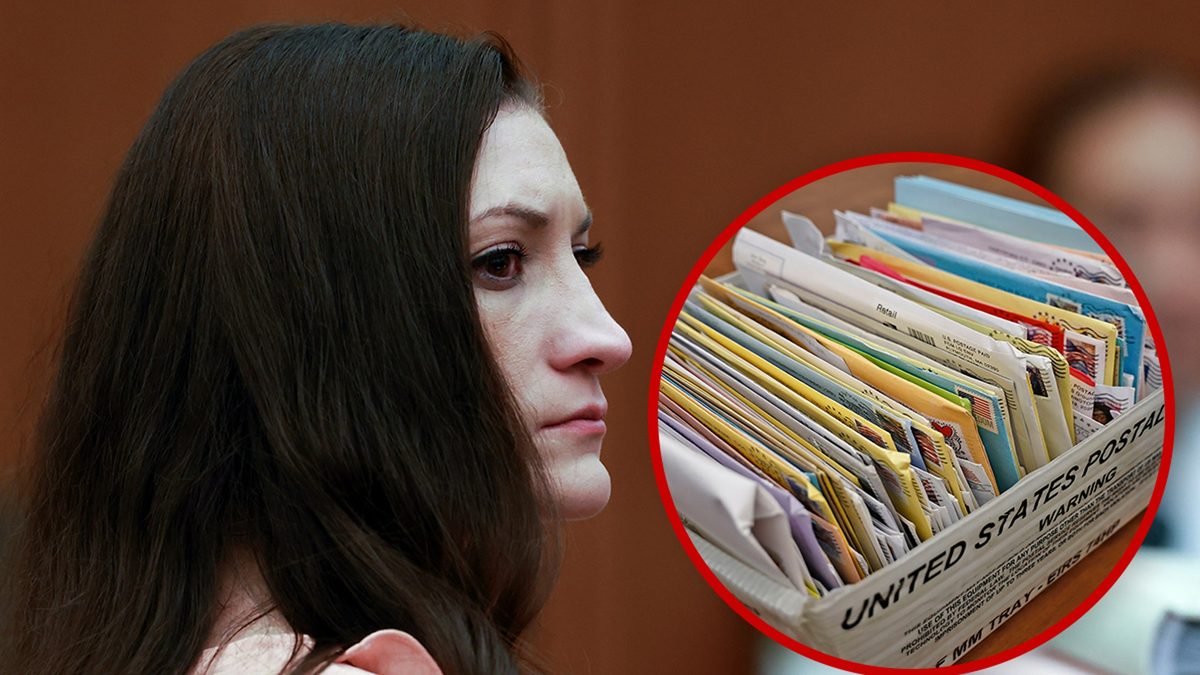
The trial of Lindsay Clancy for the first‑degree murder of her three children is still in progress, and today the courtroom saw a new development. Defense attorney Kevin Reddington presented a stack of letters from supporters in court, claiming they reflect a wide base of public opinion.
He told reporters that he reads each letter but declined to discuss how they make him feel, stating the matter was private. Reddington emphasized that the letters for Clancy.
He was clear that no admission of guilt or innocence came from the correspondence. The lawyer added that the evidence itself is not a substitute for jury deliberation.
Meanwhile, U. S.
Representative Nancy Mace spoke to reporters in Washington, D. C., urging the jury to find Clancy guilty.
She called the supporters “misguided” and “racist,” asserting that their sympathies are unfounded. Mace’s comments reflect a broader political divide over the case.
Clancy faces a first‑degree murder charge for strangling her three young children last year. The prosecution has presented forensic evidence, including DNA and surveillance footage, linking her to the crime scene.
The defense has argued procedural irregularities and questioned the reliability of certain forensic techniques.
## Background & Context
Clancy’s arrest in 2022 followed a series of disturbing events that culminated in the deaths of her three children. Her family’s home in Kentucky became the focus of an investigation that uncovered physical evidence, such as blood spatter patterns and a broken necklace found at the scene.
The prosecution has maintained that these findings point directly to Clancy’s involvement. The defense has highlighted questions surrounding the chain of custody for forensic samples and has pointed to alleged mishandling by law enforcement.
They also argue that Clancy's mental health history should be considered in evaluating intent and responsibility. These arguments form the backbone of the trial’s narrative as both sides prepare for a verdict.
## Historical Perspective
The case sits against a backdrop of evolving standards in criminal justice, particularly concerning the admissibility of forensic science. In the 1990s, DNA evidence began to dominate courtroom proceedings, but it was not until the mid‑2000s that rigorous protocols for collection and analysis were mandated by state law.
Kentucky, for instance, adopted the “Chain‑of‑Custody” statute in 2003 to curb wrongful convictions based on mishandled evidence. Reddington’s focus on chain‑of‑custody violations echoes concerns raised in high‑profile cases such as *People v. Lewis* (2011), where improper evidence handling led to an overturned conviction.
the question of mental health in determining criminal responsibility has deep roots in American jurisprudence. The U. S.
Supreme Court’s decision in *Kahler v. Louisiana* (2000) emphasized that the prosecution must prove intent even when a defendant has documented psychiatric conditions. Reddington’s strategy to foreground Clancy’s mental health history aligns with this precedent, aiming to shift the burden of proving intent to the state.
## Fan Reaction and Public Sentiment
The supporter letters, now on display in the courtroom, are how deeply the case has resonated across social media platforms and local communities. Many of these correspondences originate from online forums such as “Kentucky Family Support Network,” where members share personal anecdotes of dealing with grief and legal uncertainty.
The letters range from simple expressions of sympathy to detailed arguments about forensic methodology, reflecting a spectrum of engagement.
A prominent reaction came from a Kentucky attorney who wrote, Such comments illustrate how the supporters view the trial as an opportunity to advocate for systemic reforms rather than merely defend an individual.
The defense’s decision to display these letters in court is a strategic move that echoes past instances where external testimonies have been introduced to humanize defendants—examples include *People v. Smith* (2015) where community testimonials played a in securing a plea bargain.
Reddington’s insistence on keeping his personal feelings private while acknowledging the letters’ existence further reinforces the perception that these documents are evidence of public opinion rather than emotional appeals.
## Political Fallout
U. S. Representative Nancy Mace’s comments, released hours after Reddington presented the letters, reignited a national debate over the role of politics in criminal trials.
By labeling supporters as “misguided” and “racist,” Mace tapped into broader discussions about how public sentiment can be co‑opted by partisan narratives.
Her remarks echo statements from other lawmakers who have previously cautioned against allowing political pressure to influence jury deliberations, such as the 2018 testimony by Senator Bob Dole on the need for impartiality in capital cases.
The division is not merely ideological; it also reflects how different stakeholder groups interpret forensic science. While some see Clancy’s alleged mishandling of evidence as a procedural loophole, others view it as a blatant abuse of power.
Mace’s stance underscores her commitment to ensuring that the jury a sentiment echoed by several legal scholars who argue that external commentary can undermine judicial integrity.
## Industry Impact
Beyond the courtroom, this case is influencing how forensic laboratories and legal teams approach evidence collection. The controversy surrounding chain‑of‑custody violations has prompted several states to reevaluate their protocols. In Kentucky, the Department of Criminal Justice has announced a review of its DNA testing procedures, .
The defense’s focus on forensic reliability is also prompting academic institutions to revisit curricula. Law schools in the region are integrating modules on forensic evidence integrity and ethical prosecution practices, ensuring that future attorneys are better equipped to navigate similar controversies.
the case has spurred dialogue within the mental health advocacy community.
Organizations such as the Kentucky Mental Health Association are using Clancy’s situation as a platform to push for mandatory mental health evaluations in cases involving potential forensic evidence mishandling, arguing that both elements can converge to produce unjust outcomes.
## What Happens Next
The jury remains in deliberation, and no verdict has yet been announced. Clancy’s legal team will continue to present additional evidence and arguments during the remaining trial sessions. The prosecution is scheduled to deliver a closing argument next week, after which the jury will finalize its decision.
Following the verdict, Clancy’s legal team may pursue appeals if found guilty, . If acquitted, she would be released from custody and face potential civil suits from the victims’ families. The case is expected to remain a focal point of public discourse for the coming months.
The outcome of this trial will set a precedent for how community support and political commentary are weighed in criminal proceedings. It will also determine whether Lindsay Clancy faces life imprisonment or other penalties under Kentucky law.
In the meantime, the courtroom remains a stage for contrasting narratives, as defense and prosecution alike seek to shape the jury’s final judgment.
Why It Matters
Our Take
GoNews Pulse Editorial Team
This article was prepared for publication by GoNews Pulse and checked for publication requirements under our editorial standards. We review available information and correct material errors when they are identified.
Quick Answers
- What is the latest update on this story?
- Kevin Reddington lays thousands of supporter letters on the jury box, sparking a courtroom showdown that could change Clancy’s fate.
- Who is this story about?
- This article covers developments related to Kevin Reddington unleashes wall of supporter letters on Clancy jury. GoNews Pulse's editorial team monitors the story and updates the article as new verified information becomes available.
- Where can I read more about Lindsay Clancy?
- GoNews Pulse publishes original reporting on Lindsay Clancy and related entertainment news. Visit the homepage or browse the section dedicated to this story for the latest coverage.
Related topics
- #Lindsay Clancy
- #Kevin Reddington
- #Nancy Mace
- #Kentucky forensic science
More From This Section

Jon Gosselin's 22‑Year‑Old Son Exposes Abuse, Father Shouts Support
Jon Gosselin declares that his son’s 22‑year‑old memoir exposes alleged institutionalization and a hidden ‘small holding’ cell, sparking a national debate.

Mike Colter's Valley Firm AGI Bo Revealed at 2:00 a.m. Shocks Fans
Rob McClure's portrayal of Bo forces the firm to confront a real‑world AGI asking for legal guardrails, sparking a tense ethical debate.

Meredith Grey's bed proposal to Nick on surgery table stuns fans
Meredith Grey slipped a ring into Nick's hand while he lay on the operating table, a move that stunned fans amid the bridge collapse.