
Storms Smash Lincoln Memorial Pool, Crashing Iconic Serenity
**Lincoln Memorial Reflecting Pool Damaged Again by Recent Storms**
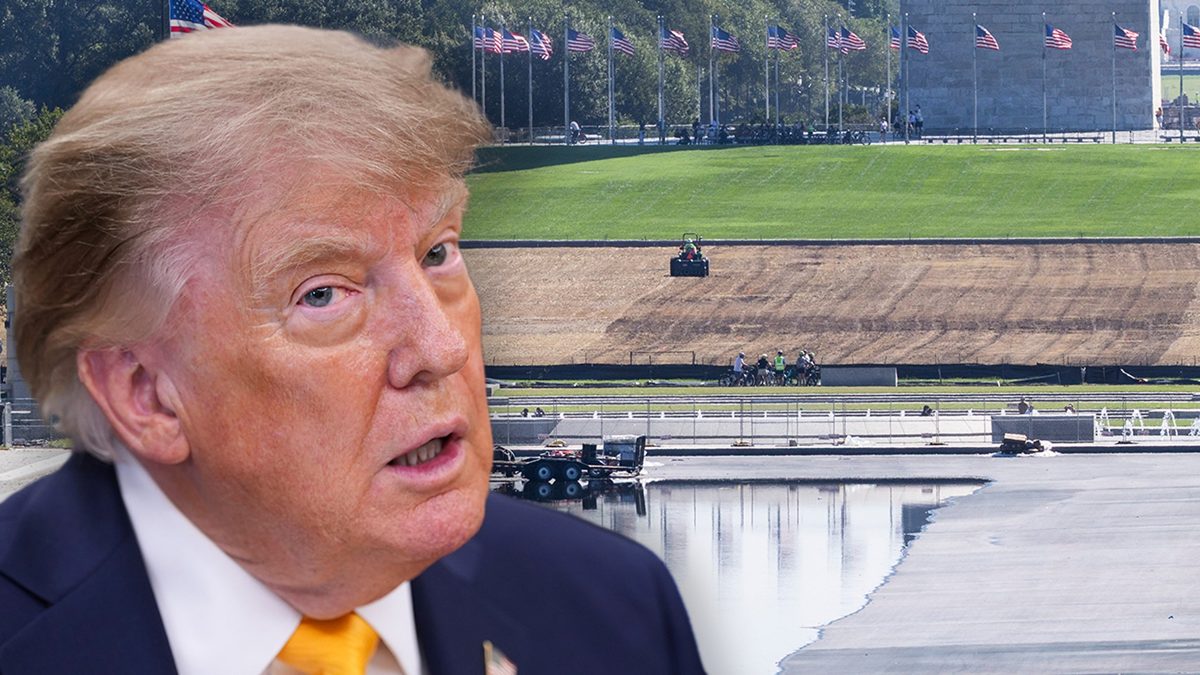
The reflecting pool at the Lincoln Memorial closed for repairs after damage caused by a series of heavy storms that battered Washington, D.C. in early September. Police reports indicate that strong winds knocked over fencing and a black tarp, spilling debris into the water and leaving the historic area visibly scarred.
The incident follows a troubled renovation that began in 2021, during which contractors installed a new blue coating and upgraded drainage systems. Despite these efforts, the pool suffered from rapid algae growth and peeling paint just months after reopening.
The setback is significant not only for tourists who flock to the monument but also for preservationists who view the memorial as a national treasure. The damage underscores ongoing challenges in maintaining aging infrastructure amid increasingly severe weather.
## Background & Context
The 2023 makeover of the Lincoln Memorial Reflecting Pool was billed as a multimillion‑dollar project aimed at restoring the water feature’s aesthetic and structural integrity. The renovation introduced a new concrete base, a fresh blue overlay, and enhanced filtration equipment.
However, within weeks of reopening, maintenance crews reported an unexpected surge in algae growth and noted that the new coating began to peel in exposed areas.
In 2022, a group of vandals was accused of damaging the pool’s newly installed infrastructure. A former Olympic athlete was arrested on felony charges related to these allegations, but prosecutors later dropped the case after concluding that flaws in the installation itself had contributed to the damage.
The incident drew national attention and sparked debate over accountability between contractors and federal authorities.
Washington, D.C., has seen an uptick in severe weather events in recent years, including high winds and heavy rainfall. The National Weather Service logged wind gusts exceeding 60 mph during the September storms that affected the reflecting pool, a factor that has repeatedly strained the city’s historic sites.
### Historical Significance
The reflecting pool—originally designed by architect John Russell Pope as part of the Lincoln Memorial complex—has been a silent witness to countless ceremonies and moments of national reflection since its completion in 1922.
Its clear surface mirrors the towering marble statue of Abraham Lincoln, creating one of the most photographed images of the nation's capital.
Over time, the pool has undergone several maintenance cycles: a major restoration in 1955 after decades of neglect, a comprehensive overhaul in 2003 to address structural cracks, and most recently, the 2021‑2023 refurbishment aimed at modernizing its filtration system.
These projects have not only focused on aesthetic concerns but also on safeguarding the pool against environmental threats. The latest renovation introduced a proprietary blue epoxy coating intended to resist UV degradation, while the new drainage network was designed to channel runoff efficiently away from the concrete base.
Despite these advancements, the rapid onset of algae and peeling paint suggests that the chosen materials and installation techniques may not fully account for the unique microclimate of the memorial’s setting.
### Preservation Challenges
The reflecting pool sits in a basin that collects rainwater and snowmelt, creating a warm, nutrient‑rich environment that is ideal for algae proliferation. Historically, maintenance crews have employed manual cleaning and chemical treatments to keep the surface clear.
The new filtration system was supposed to automate much of this process, but early reports indicate that it may have been under‑calibrated for the volume of water involved.
the pool’s location in the heart of the National Mall exposes it to pollen, dust, and particulate matter from vehicular traffic and nearby construction sites. These contaminants can accelerate surface wear and compromise protective coatings.
In addition, fluctuating temperatures—hot summer days followed by cool nightfall—can cause thermal expansion and contraction cycles that stress the epoxy layer.
These factors combine to create a maintenance dilemma: the need for a robust, long‑lasting coating versus the practical realities of urban pollution and climate variability.
The current damage highlights the urgent need for a holistic approach that blends material science, advanced filtration technology, and proactive environmental monitoring.
## Current Damage and Response
The most recent storm sequence brought down sections of the pool’s perimeter fencing and the accompanying black tarp designed to protect the water during inclement weather. Debris from fallen branches and damaged fencing littered the pool’s surface, creating an unsightly and potentially hazardous environment for visitors.
Cleanup crews have begun removing debris, but the pool remains closed to the public until a thorough assessment can be completed.
City officials have indicated that the damage will require additional repairs beyond those originally planned for the 2023 renovation. Preliminary estimates suggest that restoring the fence, replacing toppled barriers, and addressing any water contamination could cost several hundred thousand dollars.
The Department of Parks and Recreation has announced a temporary closure to ensure visitor safety while work proceeds.
In addition to physical repairs, administrators have highlighted the need to re‑evaluate the pool’s filtration system in light of recent algae problems. A new investment has been earmarked to upgrade filtration components, with the goal of preventing future rapid growth and extending the life of the blue coating.
### Fan Reaction
Visitors and local residents have voiced a mixture of frustration and admiration for the monument’s resilience.
On social media, several photographs show people standing by the closed pool, sharing their disappointment with captions like, Others have taken to video blogs to explain the science behind algae growth, offering insights into how climate change impacts historic sites.
A popular tourist guide website reported that over 200 comments were posted in a single week, with many praising the monument’s iconic status while lamenting the inconvenience. One user noted, The outpouring of public sentiment underscores the pool’s symbolic importance: it is not just a body of water but a shared cultural touchstone.
### Industry Impact
The damage has spurred discussion within the preservation and construction industries about best practices for historic site restoration in a warming world. Experts point to the need for more durable, climate‑resistant materials—such as nanocomposite coatings—that can withstand both UV exposure and mechanical stress from windborne debris.
Additionally, there is growing advocacy for smart monitoring systems that can alert maintenance teams to early signs of coating degradation or filtration failure.
Several firms specializing in heritage conservation have announced that they will re‑examine their procurement standards in light of the Lincoln Memorial’s experience.
One company spokesperson mentioned plans to incorporate real‑time water quality sensors into future projects, a technology that has proven successful in coastal restoration efforts where salt corrosion is a concern.
For contractors, the incident highlights the importance of post‑installation testing and community engagement. In past projects, rushed timelines and cost pressures have led to shortcuts that compromise long‑term integrity.
The current situation serves as a cautionary tale: protecting historic landmarks requires an investment not only in materials but also in rigorous oversight and contingency planning.
## Legal and Political Implications
Following the vandalism accusations of 2022, former President Donald Trump publicly blamed vandals for some of the damage to the reflecting pool.
Those statements were followed by arrests, but subsequent court filings revealed that the felony case against the arrested athlete was dismissed after prosecutors concluded that installation defects played a significant role in the damage.
Despite the legal outcome, the administration has continued to emphasize vandalism as a contributing factor. In late August, federal officials approved an additional budget allocation—amounting to several million dollars—to address algae issues and repair infrastructure at the memorial.
The funding was presented as part of a broader initiative to preserve national monuments in the face of climate‑related threats.
The situation highlights an ongoing debate over responsibility for maintaining historic landmarks. While contractors and preservationists argue that design and installation flaws require federal oversight, critics point to the need for stricter enforcement of vandalism laws to protect cultural heritage.
The current legal developments suggest that further scrutiny may be directed at both private contractors and federal agencies overseeing such projects.
### Policy Shifts
The latest closure has prompted policymakers to revisit guidelines for historic site maintenance under extreme weather conditions.
A bipartisan working group on preservation infrastructure has called for a mandatory review of all federally funded restoration projects, focusing on resilience metrics such as wind load capacity and water contamination thresholds.
An amendment to the National Historic Preservation Act is also under consideration, proposing that federal grants be contingent upon demonstrable long‑term maintenance plans. This shift would aim to close the gap between initial construction budgets and the often unforeseen costs of upkeep.
## Conclusion
The reflecting pool’s latest setback offers a stark reminder of the vulnerabilities faced by historic sites in an era of more frequent and intense weather events.
As Washington, D.C., continues to grapple with climate resilience, the restoration and maintenance of iconic landmarks like the Lincoln Memorial Reflecting Pool will remain a focal point for policymakers and preservationists alike.
While the pool remains closed, the conversation it has sparked—spanning material science, public sentiment, legal accountability, and industry best practices—demonstrates that protecting our shared heritage is a multifaceted challenge.
The next steps will require collaboration between federal agencies, contractors, scientists, and the public to ensure that this symbol of national reflection endures for generations to come.
Why It Matters
Our Take
GoNews Pulse Editorial Team
This article was prepared for publication by GoNews Pulse and checked for publication requirements under our editorial standards. We review available information and correct material errors when they are identified.
Quick Answers
- What is the latest update on this story?
- Wind‑whipped fencing crashes into the pool, leaving a mess that could cost millions to fix—you won't believe the damage.
- Who is this story about?
- This article covers developments related to Storms Smash Lincoln Memorial Pool, Crashing Iconic Serenity. GoNews Pulse's editorial team monitors the story and updates the article as new verified information becomes available.
- Where can I read more about Washington DC?
- GoNews Pulse publishes original reporting on Washington DC and related entertainment news. Visit the homepage or browse the section dedicated to this story for the latest coverage.
Related topics
- #Washington DC
- #historic preservation
- #climate change
- #public infrastructure
More From This Section

Jon Gosselin's 22‑Year‑Old Son Exposes Abuse, Father Shouts Support
Jon Gosselin declares that his son’s 22‑year‑old memoir exposes alleged institutionalization and a hidden ‘small holding’ cell, sparking a national debate.

Mike Colter's Valley Firm AGI Bo Revealed at 2:00 a.m. Shocks Fans
Rob McClure's portrayal of Bo forces the firm to confront a real‑world AGI asking for legal guardrails, sparking a tense ethical debate.

Meredith Grey's bed proposal to Nick on surgery table stuns fans
Meredith Grey slipped a ring into Nick's hand while he lay on the operating table, a move that stunned fans amid the bridge collapse.