
Laleh Marzban Dedicates Venice Prize to Women, State Media Fires Back
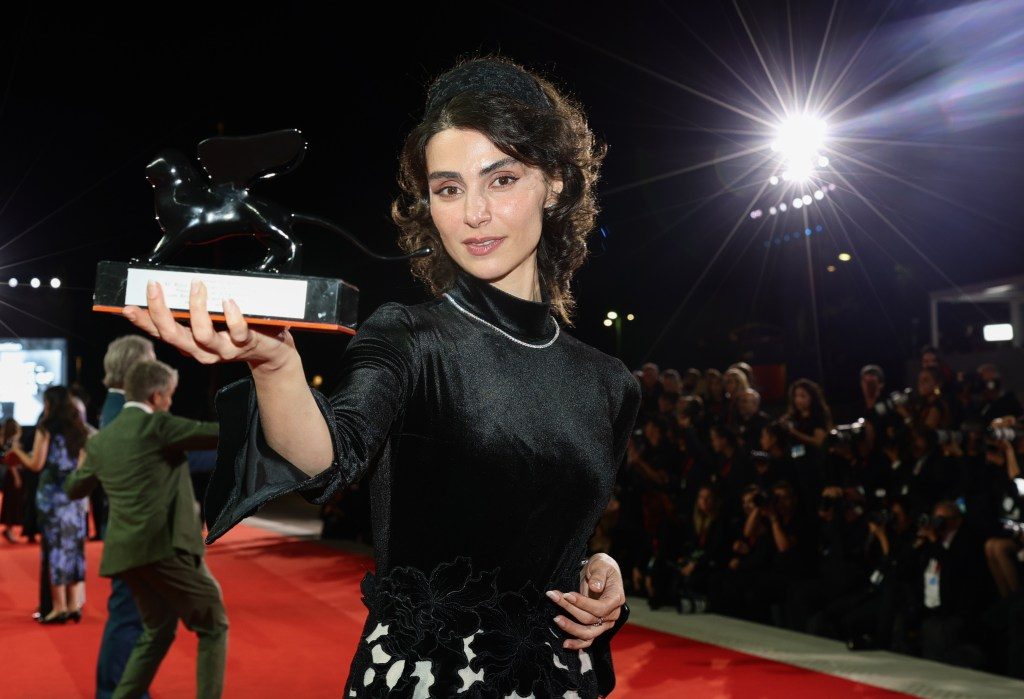
Laleh Marzban, the Iranian actress who earned the Best Actress prize in the Venice Film Festival’s Orizzonti sidebar, has become the target of a sharp criticism campaign by state‑aligned media in Iran. The attacks began after she dedicated her award to women in Iran during her acceptance speech.
The backlash came from a TV channel linked to the Basij, the paramilitary volunteer militia within the Islamic Revolutionary Guard Corps (IRGC). The channel accused Marzban of “turning her back on Iran,” while other regime‑backed outlets labeled her a traitor and urged the Ministry of Culture to bar her from returning home.
These claims follow her public praise of Iranian women’s struggle during the festival.
The controversy underscores how a single moment on an international stage can spark domestic political firestorms, especially when the speaker references ongoing social movements in Iran.
## Background & Context
Marzban’s award-winning role was in Mohsen Gharaei’s drama *Falling House* (Mogareb), which portrays three generations of women in an economically fragile family under a prison‑guard father. She plays the eldest daughter, a character who is imprisoned by her father when he discovers her plan to leave Iran for a modeling career.
Gharaei told that the first draft of the script was written in 2018 but that the 2022 Woman Life Freedom protests, sparked by Mahsa Amini’s death in police custody on September 16, 2022, gave him fresh impetus to proceed with production.
The film shows the protagonist both with and without a hijab, reflecting the real-life tension between personal freedom and state mandates.
The Venice Film Festival awards ceremony took place on a Saturday evening, where Marzban publicly acknowledged that Iran and its people were experiencing “the hardest days.” She said, “I dedicate my award to the women of my country who have paid the highest price for the smallest freedoms.” She added, “These women today carry dreams, courage and hope, and I believe that one day the wish of all of us will come true.” Marzban’s comments echoed the sentiments of the broader 2022 protests, where hundreds of thousands of Iranians called for an end to strict dress codes and other oppressive regulations.
## What People Are Saying
The backlash from Iranian state‑backed media was swift. A TV station aligned with the Basij accused Marzban of betraying her homeland, while other channels went further, calling her treasonous and demanding that she be banned from Iran.
The most outspoken critic was Iranian actress Zhila Sadeghi, who is affiliated with the Republic of Iran’s state broadcaster IRIB. Sadeghi singled out Marzban for not dedicating her speech to the children killed in a U.S. missile strike on an elementary school in Minab on February 28, instead choosing to honor Iranian women.
She said, “curse the ones who let you have a role in a film ever again,” accusing Marzban of turning her back on her country.
Despite these accusations, Marzban has never been at odds with the Islamic Regime before. Her filmography includes the 2023 Iranian Oscar submission *The Night Guardian*, and she has not publicly expressed opposition to governmental policies.
When asked by at the Orizzonti winners press conference how she thought *Falling House* would be received in Iran, Marzban noted that it challenges the government and patriarchal system.
She said, “This question is very important for me as an actress, and as all other women in Iran, whether they be doctors, artists, whatever profession women can perform, we can only make one step at a time, one step towards our objective.” She added that she has made her small part and hopes others will take similar steps toward their common goal.
## Current Status
The state‑aligned media campaign remains focused on labeling Marzban as a traitor and calling for her exile. No official legal action or formal ban has been announced. The Iranian Ministry of Culture’s stance is unclear, though some reports suggest it may consider preventing her return.
In the absence of a court order or official policy change, Marzban can continue to work abroad, and her film *Falling House* remains available for international audiences. Meanwhile, the broader context of the 2022 protests continues to shape discussions about freedom, gender rights, and artistic expression in Iran.
In sum, Marzban’s award ceremony has highlighted the fraught intersection of art and politics in contemporary Iran. Her voice, amplified on a global stage, has provoked an unprecedented backlash from state media—an event that will likely reverberate as long as the struggle for women's rights persists.
Why It Matters
Our Take
GoNews Pulse Editorial Team
This article was prepared for publication by GoNews Pulse and checked for publication requirements under our editorial standards. We review available information and correct material errors when they are identified.
Quick Answers
- What is the latest update on this story?
- She dedicates her Venice win to Iranian women, and suddenly state media call her a traitor.
- Who is this story about?
- This article covers developments related to Laleh Marzban Dedicates Venice Prize to Women, State Media Fires Back. GoNews Pulse's editorial team monitors the story and updates the article as new verified information becomes available.
- Where can I read more about Laleh Marzban?
- GoNews Pulse publishes original reporting on Laleh Marzban and related entertainment news. Visit the homepage or browse the section dedicated to this story for the latest coverage.
Related topics
- #Laleh Marzban
- #Venice Film Festival
- #Basij
More From This Section

Jon Gosselin's 22‑Year‑Old Son Exposes Abuse, Father Shouts Support
Jon Gosselin declares that his son’s 22‑year‑old memoir exposes alleged institutionalization and a hidden ‘small holding’ cell, sparking a national debate.

Mike Colter's Valley Firm AGI Bo Revealed at 2:00 a.m. Shocks Fans
Rob McClure's portrayal of Bo forces the firm to confront a real‑world AGI asking for legal guardrails, sparking a tense ethical debate.

Meredith Grey's bed proposal to Nick on surgery table stuns fans
Meredith Grey slipped a ring into Nick's hand while he lay on the operating table, a move that stunned fans amid the bridge collapse.