
Branson's Lady Joan Templeman Falls to Death After Hospital Mistake
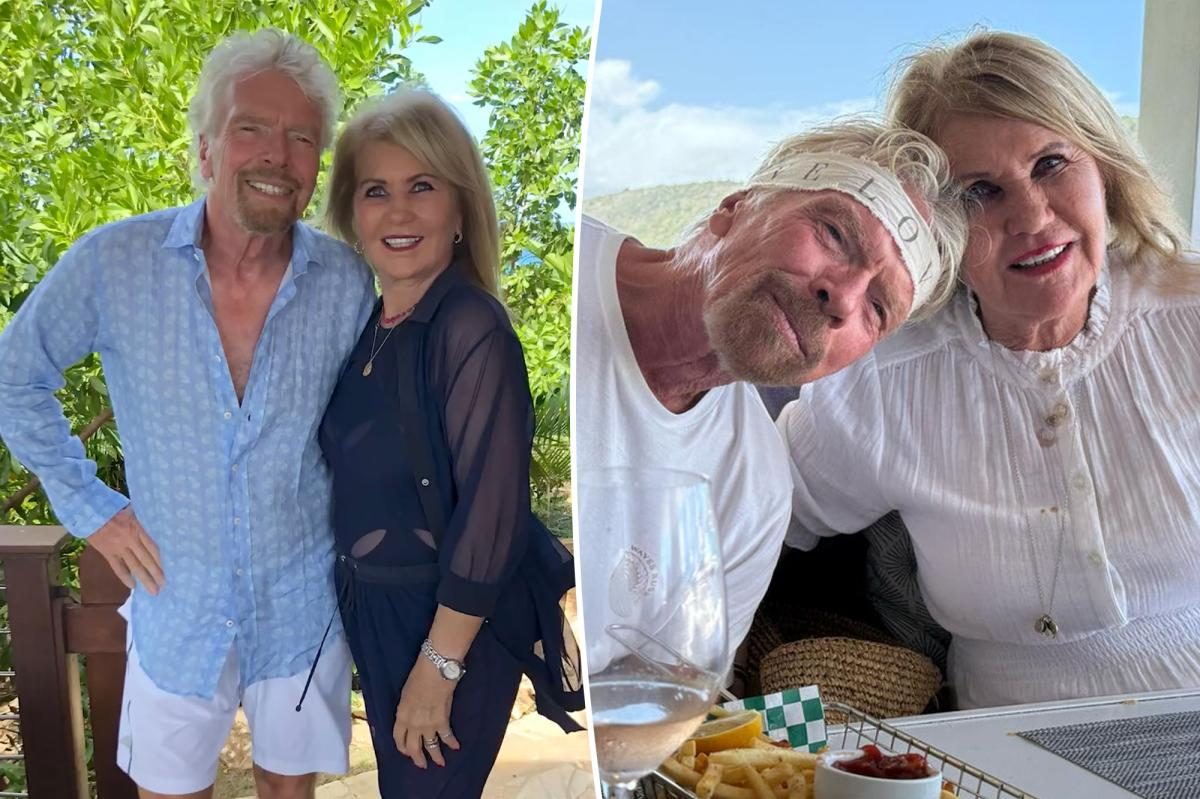
Lady Joan Templeman, the former wife of billionaire Sir Richard Branson, died on Nov. 24, 2025 at Lister Hospital in London, a leading trauma centre known for treating complex injuries. The 80‑year‑old passed away a few weeks after falling at the couple’s Necker Island estate in the Caribbean.
Her death has prompted a coroner investigation into the care she received during her hospital stay.
Preliminary findings from the Inner West London Coroner’s Court suggest that Templeman’s fatal pulmonary embolism—an acute blockage of a lung artery—could have been prevented if she had received anticoagulant medication after her admission.
The inquiry is examining whether Enoxaparin injections, which she routinely took before the incident, were omitted during her treatment. Templeman and Branson had been married for 36 years before her passing, a partnership that spanned both business and personal realms.
She was known to regularly take blood‑clot injections as part of her long‑term health management—a routine that her daughter Holly has cited in recent correspondence with the court.
## Background and Context
Templeman’s fall at Necker Island occurred on Nov. 10, 2025 when she slipped on a wet deck and landed on her side. The injury prompted immediate medical attention and transfer to Lister Hospital for evaluation of internal bleeding and fractures, with imaging ordered to assess her condition.
Prior to the fall, Templeman had a documented history of deep‑vein thrombosis and had been prescribed Enoxaparin injections for years. Her records showed she tolerated the medication, raising questions about why it was omitted during her stay.
Her recent long‑haul flight from New York to London earlier in November is a known risk factor for venous thromboembolism. Combined with age and trauma, timely anticoagulation is often recommended by clinical guidelines.
## A Life of Service and Partnership
Born Joan Templeton in 1945 in Kent, she spent her early years as a schoolteacher before marrying Richard Branson in 1989. During their decades together, she was not merely a spouse but an influential confidante whose insights shaped Virgin Group’s forays into aviation, space travel, and renewable energy.
Beyond business, Lady Joan was deeply involved in charitable work. She chaired the Branson Charitable Foundation’s Women’s Health Initiative and was a vocal advocate for global access to reproductive health services.
Her commitment to environmental causes led her to spearhead the Virgin Earth Challenge, a program that funded research into carbon capture technologies. In the public eye, she cultivated an image of understated elegance, often seen at charity galas and industry conferences.
Her presence at the launch of Virgin Galactic’s commercial spaceflight program was widely lauded as a symbol of the partnership’s visionary spirit.
## Fan Reaction and Public Sentiment
The news of Lady Joan’s passing resonated across social media platforms, with many fans of Virgin Airlines and Virgin Galactic expressing grief in heartfelt tributes. Comments ranged from to “Her compassion changed countless lives.”
Friends of her charitable work reflected on her quiet dedication. One longtime collaborator recalled,
Sir Richard Branson, in a private message to his closest friends and staff, praised her as The message was shared within the company’s internal communications, underscoring the intimate nature of the loss.
## Hospital Care and Allegations
Dr. Basir Kunduzi, on duty at Templeman’s arrival, reportedly avoided giving anticoagulants because he feared bleeding after the fall. He later documented that the medication had not been given and expressed regret over that decision.
Dr. Nevil Pavithran, who took over care later that day, said Templeman should have received Enoxaparin within twelve hours of admission. He also claimed there was no bleeding risk based on imaging and clinical assessment.
Dr. Bovill, another physician involved, admitted he failed to insist on the injections. He expressed remorse, noting he could have acted more forcefully in line with established safety protocols.
The coroner’s preliminary report highlights a gap between documented patient history and the interventions provided.
It points to a failure in communication among staff members and a lack of adherence to the hospital’s own “Post‑Trauma Anticoagulation Protocol,” which had been updated in 2023 to incorporate newer evidence on VTE prevention.
## Implications for Hospital Practice
Holly Templeman’s email to the coroner expressed alarm over her mother’s care, noting that she was accustomed to regular anti‑clot injections and doubted she had been denied the medication.
The letter also questioned whether the hospital’s protocols adequately addressed post‑fall clot prevention, urging a review of clinical pathways for patients at high risk, especially those with recent travel or trauma.
The coroner’s inquiry will examine whether standard procedures were followed and if any lapses contributed to Templeman’s fatal pulmonary embolism.
Findings could prompt reviews of anticoagulation practices for patients who have sustained trauma and are at risk for deep‑vein thrombosis, potentially leading to updated guidelines, mandatory checklists, and enhanced staff training across hospitals.
If the investigation confirms procedural shortcomings, it may trigger a national audit of trauma units within the National Health Service.
Such an audit could lead to the implementation of “Rapid VTE Assessment” tools that prompt automatic ordering of prophylactic anticoagulation for high‑risk patients unless contraindicated by active bleeding.
## Industry Impact and Future Directions
Templeman’s death highlights the delicate balance between preventing blood clots and avoiding bleeding complications in hospitalized patients.
The outcome of the coroner’s investigation may lead to changes in how hospitals manage anticoagulation for similar cases, underscoring the importance of clear protocols, timely treatment, and ongoing quality‑improvement initiatives. Industry observers note that a high‑profile case such as this can accelerate policy change.
Hospitals across the country are already reviewing their own guidelines, and several academic centers have begun pilot studies to refine risk‑assessment algorithms for trauma patients. In the broader healthcare ecosystem, there is a growing emphasis on interdisciplinary coordination.
From nursing staff to pharmacists, every role is being recalibrated to ensure that critical interventions—such as Enoxaparin administration—are neither delayed nor omitted.
The Virgin Group, which has long been an advocate for healthcare innovation, has announced plans to partner with leading medical institutions to fund research into safer anticoagulation delivery methods.
These efforts aim to reduce the risk of both thrombosis and hemorrhage, potentially setting a new standard for patient safety in acute care settings.
## A Legacy Remembered
While the medical questions surrounding Lady Joan Templeman’s passing remain under investigation, her legacy extends beyond the clinical details. She was a trailblazer in philanthropy, a steward of environmental progress, and a steadfast partner to one of the world’s most iconic entrepreneurs.
As the community processes this loss, many find comfort in the lasting impact of her work—whether through improved access to healthcare for women worldwide or through pioneering steps toward sustainable energy. Her story serves as a reminder that compassion, when coupled with expertise, can shape industries and touch countless lives.
Why It Matters
Our Take
GoNews Pulse Editorial Team
This article was prepared for publication by GoNews Pulse and checked for publication requirements under our editorial standards. We review available information and correct material errors when they are identified.
Quick Answers
- What is the latest update on this story?
- A missing anticoagulant dose in the hospital may cause the 80‑year‑old ex‑wife of Branson to die after a fall.
- Who is this story about?
- This article covers developments related to Branson's Lady Joan Templeman Falls to Death After Hospital Mistake. GoNews Pulse's editorial team monitors the story and updates the article as new verified information becomes available.
- Where can I read more about Lady Joan Templeman?
- GoNews Pulse publishes original reporting on Lady Joan Templeman and related entertainment news. Visit the homepage or browse the section dedicated to this story for the latest coverage.
Related topics
- #Lady Joan Templeman
- #Sir Richard Branson
- #Enoxaparin
- #NHS trauma protocol
- #Virgin Group
More From This Section

Jon Gosselin's 22‑Year‑Old Son Exposes Abuse, Father Shouts Support
Jon Gosselin declares that his son’s 22‑year‑old memoir exposes alleged institutionalization and a hidden ‘small holding’ cell, sparking a national debate.

Mike Colter's Valley Firm AGI Bo Revealed at 2:00 a.m. Shocks Fans
Rob McClure's portrayal of Bo forces the firm to confront a real‑world AGI asking for legal guardrails, sparking a tense ethical debate.

Meredith Grey's bed proposal to Nick on surgery table stuns fans
Meredith Grey slipped a ring into Nick's hand while he lay on the operating table, a move that stunned fans amid the bridge collapse.