
Seoul's K-Beauty Skincare Sees 48% Surge to $2.8B in U.S.
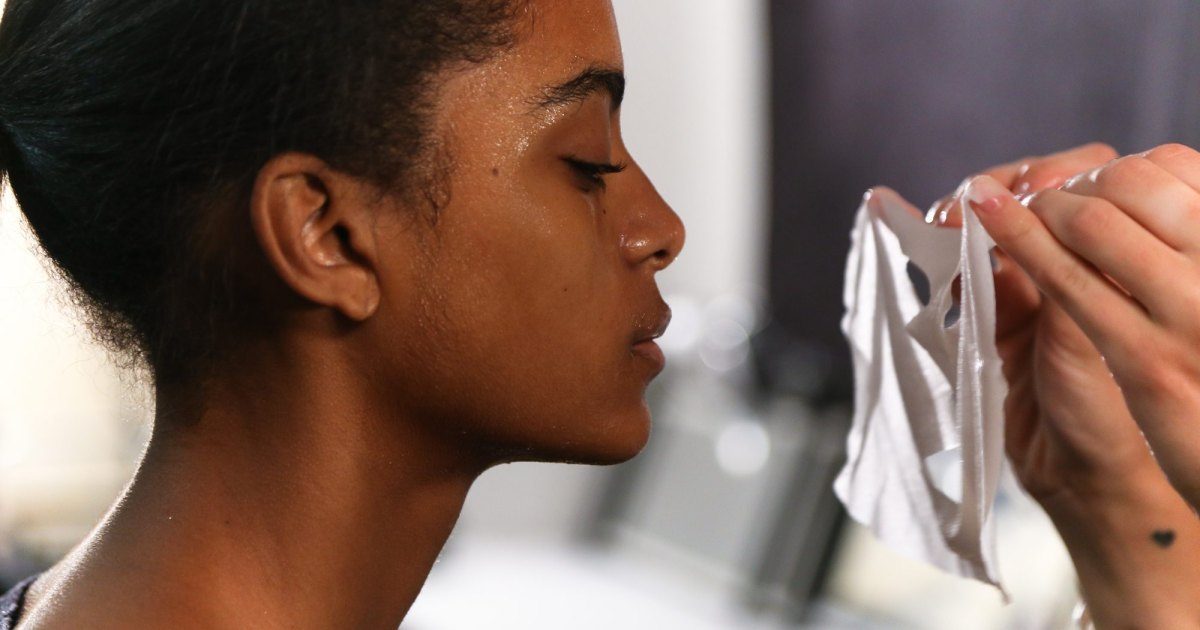
A surge in Korean skincare products has pushed the category past the $2 billion mark in the United States, NielsenIQ data released early 2026. The figure represents a 48 percent jump from the previous year, outpacing the 45 percent growth seen in 2025.
The rise is evident on store shelves and in online marketplaces across the country.
The boom follows a pandemic‑era shift toward multi‑step routines and ingredient transparency among American consumers. Social media platforms like TikTok and Instagram amplified product launches from Seoul to U.S. buyers in real time, creating viral buzz around new formulations.
The trend now spans from entry‑level sheet masks to high‑tech ampoules, reflecting a broader move toward healthy‑skin aesthetics.
The impact goes beyond sales numbers. Retailers are reallocating shelf space to K‑beauty lines, and major chains are launching dedicated sections for Korean products. At the same time, influencers and beauty editors highlight ingredients such as snail mucin, fermented rice, and ginseng as key drivers of consumer interest.
## Background & Context
Korean beauty—often called K‑beauty—emphasizes glowing skin over heavy coverage, a philosophy that resonated with shoppers during lockdowns when people spent more time at home. NielsenIQ reports that the average U.S. consumer now spends about 30 minutes daily on a routine that can include cleansers, essences, serums and masks.
The trend is driven by a desire for visible results without the “mask10-stepPeople were home, they had time to learn about what specific ingredients did, how to layer products together,glass skinWe’re not just buying from the big brands now,” she said. “We’re actually talking about ingredients, where it’s sourced, what it does.”
Retailers report that product placement on social media has accelerated adoption rates. Items that first appear in a TikTok tutorial often hit U.S. shelves within weeks, industry observers. This rapid cycle keeps consumers engaged and drives repeat purchases across multiple product categories, from sheet masks to pimple patches.
At the same time, customers are gravitating toward formulas that promise natural benefits with minimal side effects. K‑beauty’s emphasis on fermented ingredients, plant extracts and clinical efficacy offers a distinct alternative to more traditional, often heavier cosmetic lines.
This shift is reflected in sales figures, with nightly sleeping masks and brightening serums topping the charts.
## Fan Reaction & Community Building
The K‑beauty community has cultivated a culture of sharing that extends beyond individual product reviews. Dedicated forums, Discord servers, and Reddit threads allow users to compare active ingredients, layer techniques and storage tips. says 23‑year‑old Emily Tan from Austin.
In addition to online communities, pop‑up events in cities such as New York, Los Angeles and Chicago have become common. These immersive experiences let consumers try products in person and receive customized recommendations from brand ambassadors.
The trend has helped transform K‑beauty from a niche import into a mainstream lifestyle choice.
## Industry Impact
Retailers are responding to the shift with strategic shelf reallocation. Major chains like Target, Walmart, and Sephora now dedicate up to 30 percent of their beauty aisles to Korean brands. notes Julia Ramirez, senior merchandiser at Target.
The rise also prompts supply‑chain adaptations. U.S. distributors are negotiating direct-from‑manufacturer agreements to keep up with demand spikes, reducing lead times and allowing for rapid product launches. This agility is essential as new innovations—such as probiotic‑infused toners and peptide‑enhanced creams—enter the market.
Competitive dynamics have shifted as well. Western brands now frequently collaborate with Korean scientists to develop joint research programs, while some Korean labels are establishing U.S. headquarters to better align with local consumer preferences.
The result is a more blended beauty ecosystem, where ingredients cross borders more fluidly than ever before.
## What Happens Next
Retailers are planning for sustained growth by expanding product lines and increasing shelf presence. Several major chains have already signed contracts with Korean brands, and some are creating exclusive product bundles to entice shoppers.
The industry expects continued momentum into late 2026, especially as new innovations—such as probiotic‑infused toners—enter the market.
Consumers can anticipate more localized marketing, including region‑specific ingredient stories and collaborations with U.S. influencers. Brands are also investing in digital tools like AR try‑on features to bridge the gap between online and in‑store experiences.
This dual strategy aims to maintain engagement as the category moves from novelty to staple status.
In short, the K‑beauty surge shows no sign of slowing. With a solid consumer base, transparent ingredient narratives, and rapid product diffusion, Korean skincare is set to keep reshaping U.S. retail shelves for the foreseeable future.
Why It Matters
Our Take
GoNews Pulse Editorial Team
This article was prepared for publication by GoNews Pulse and checked for publication requirements under our editorial standards. We review available information and correct material errors when they are identified.
Quick Answers
- What is the latest update on this story?
- Retail shelves fill faster as Korean brands leverage bold ingredients, viral influencers, and a 48% jump—miss this and miss the next beauty trend.
- Who is this story about?
- This article covers developments related to Seoul's K-Beauty Skincare Sees 48% Surge to $2.8B in U.S.. GoNews Pulse's editorial team monitors the story and updates the article as new verified information becomes available.
- Where can I read more about NielsenIQ?
- GoNews Pulse publishes original reporting on NielsenIQ and related entertainment news. Visit the homepage or browse the section dedicated to this story for the latest coverage.
Related topics
- #NielsenIQ
More From This Section

Jon Gosselin's 22‑Year‑Old Son Exposes Abuse, Father Shouts Support
Jon Gosselin declares that his son’s 22‑year‑old memoir exposes alleged institutionalization and a hidden ‘small holding’ cell, sparking a national debate.

Mike Colter's Valley Firm AGI Bo Revealed at 2:00 a.m. Shocks Fans
Rob McClure's portrayal of Bo forces the firm to confront a real‑world AGI asking for legal guardrails, sparking a tense ethical debate.

Meredith Grey's bed proposal to Nick on surgery table stuns fans
Meredith Grey slipped a ring into Nick's hand while he lay on the operating table, a move that stunned fans amid the bridge collapse.