
Kikuyu Land exposes colonial tea‑land theft, premieres in UK
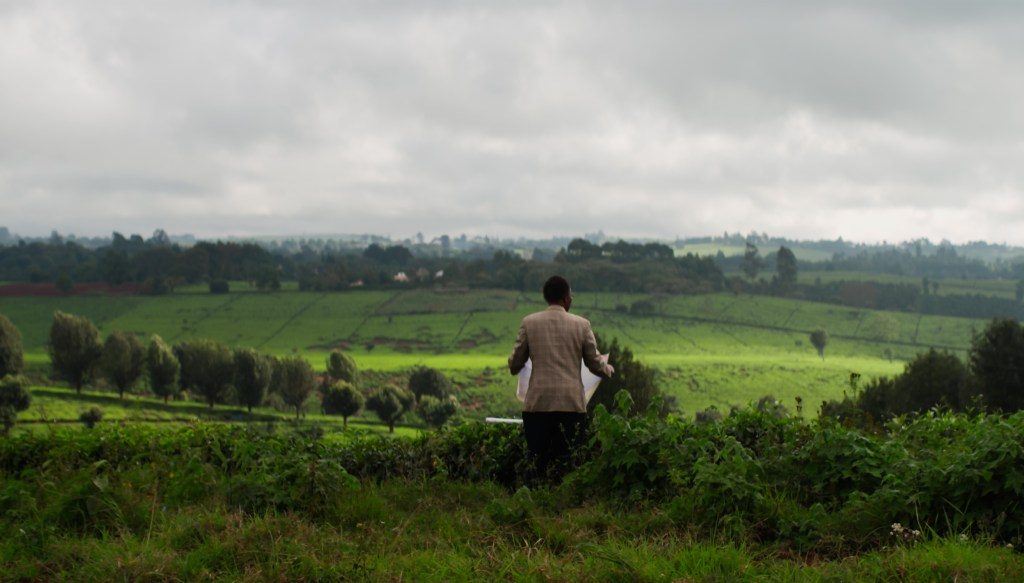
Kikuyu Land, an award‑winning nonfiction feature, documents a sweeping case of cultural erasure and land theft that began during British colonial rule over Kenya. Directed by Andrew H.
Brown and Bea Wangondu, the film follows Mr. Mungai, a descendant of original landowners in the tea highlands, as he fights to recover his family’s holdings and confront a powerful multinational corporation still operating on contested ground.
The new trailer releases a stark reminder of the past: “The colonials stole my ancestors’ land,” Mr. Mungai says. “Today, it’s worth billions.” The documentary premiered in the World Cinema Documentary Competition at Sundance and has since earned accolades, including Best Documentary Feature at Mountainfilm Festival in Telluride, CO.
Kikuyu Land will open in UK cinemas on October 2 and debut in Los Angeles on October 9 at the Monica Film Center. A New York City run begins November 13 at DCTV Firehouse Cinema, with additional theatrical engagements to be announced.
## Background & Context
The film’s narrative is rooted in the history of Kenya’s tea highlands, lands that were seized from local communities by the British during colonial rule. Mr. Mungai’s quest is not only personal; it reflects a broader struggle faced by many descendants of those original landowners who seek restitution and recognition today.
Kikuyu Land weaves together legal battles and lived memory, exploring how colonial structures still influence identity, inheritance, and resistance in contemporary Kenya.
The documentary has screened at more than 40 festivals across the United States and internationally, bringing global attention to a largely overlooked issue of land dispossession.
The Sundance premiere placed Kikuyu Land within the World Cinema Documentary Competition, positioning the film alongside other works that tackle complex social histories. Its subsequent awards highlight the industry’s growing recognition of stories that confront colonial legacies.
## Production Team and Vision
Andrew H. Brown, who handled both cinematography and editing, emphasizes the balance between visual beauty and ethical storytelling. “We did our best throughout the shoot to balance visual beauty with ethical storytelling,” Brown said.
“The film needed to feel cinematic and immersive without compromising the people whose lives we were documenting. Every shot was chosen to represent the community, the land, and their stories, highlighting the richness and resilience of daily life without sensationalizing it.”
Co‑director Bea Wangondu notes the careful approach taken to protect participants in Kenya. “From the very start, our goal was to center the people whose stories we were telling and to highlight their experiences with honesty and empathy,” Wangondu commented.
She also highlighted the risk of exposing community members before it was safe, so the project remained small and trust‑based.
The film’s producers include Oscar nominee Moses Bwayo, Mike Morrisroe for Trifilm Studios, and Joseph Njenga, supported by executive producers Tracy Rector, Amanda Brown, Mia Vyzis, and Barbara Terzieff. The original score combines the work of Nyokabi Kariũki and Keir Vine.
## Film Details and Reception
Kikuyu Land has already captured attention in festival circuits, winning Best Documentary Feature at Mountainfilm Festival in May and premiering at Sundance’s World Cinema Documentary Competition. Its screenings across the United States and abroad have allowed diverse audiences to engage with the story of colonial land theft.
The film’s opening dates are strategically staggered: a UK release on October 2 followed by an Los Angeles premiere on October 9 at the Monica Film Center, and a New York run beginning November 13. These dates place Kikuyu Land within key markets, offering viewers in major cities a chance to see the documentary on the big screen.
, the documentary “is deeply personal for both of us.” They wanted to center voices that have been silenced by colonial land policies and to give space for those stories to be told on their own terms.
“The film is ultimately about survival, generational inheritance and the question of what accountability looks like when the past refuses to stay buried,” they added. The goal is to spark conversations about ownership of land, ownership of stories, and the meaning of reclamation.
Kikuyu Land’s theatrical run will continue to expand as additional engagements are announced in the coming weeks, bringing the documentary’s powerful message to wider audiences worldwide.
Why It Matters
Our Take
GoNews Pulse Editorial Team
This article was prepared for publication by GoNews Pulse and checked for publication requirements under our editorial standards. We review available information and correct material errors when they are identified.
Quick Answers
- What is the latest update on this story?
- Kikuyu Land forces audiences to confront Kenya’s hidden tea‑land legacy, now playing across UK and U.S.
- Who is this story about?
- This article covers developments related to Kikuyu Land exposes colonial tea‑land theft, premieres in UK. GoNews Pulse's editorial team monitors the story and updates the article as new verified information becomes available.
- Where can I read more about Kikuyu Land?
- GoNews Pulse publishes original reporting on Kikuyu Land and related entertainment news. Visit the homepage or browse the section dedicated to this story for the latest coverage.
Related topics
- #Kikuyu Land
- #Andrew Brown
- #Mungai
- #Kenya tea highlands
- #Sundance Film Festival
More From This Section

Jon Gosselin's 22‑Year‑Old Son Exposes Abuse, Father Shouts Support
Jon Gosselin declares that his son’s 22‑year‑old memoir exposes alleged institutionalization and a hidden ‘small holding’ cell, sparking a national debate.

Mike Colter's Valley Firm AGI Bo Revealed at 2:00 a.m. Shocks Fans
Rob McClure's portrayal of Bo forces the firm to confront a real‑world AGI asking for legal guardrails, sparking a tense ethical debate.

Meredith Grey's bed proposal to Nick on surgery table stuns fans
Meredith Grey slipped a ring into Nick's hand while he lay on the operating table, a move that stunned fans amid the bridge collapse.