
Kid Cudi Ousts M.I.A. After Bold Speech, Lawsuit Fires Back
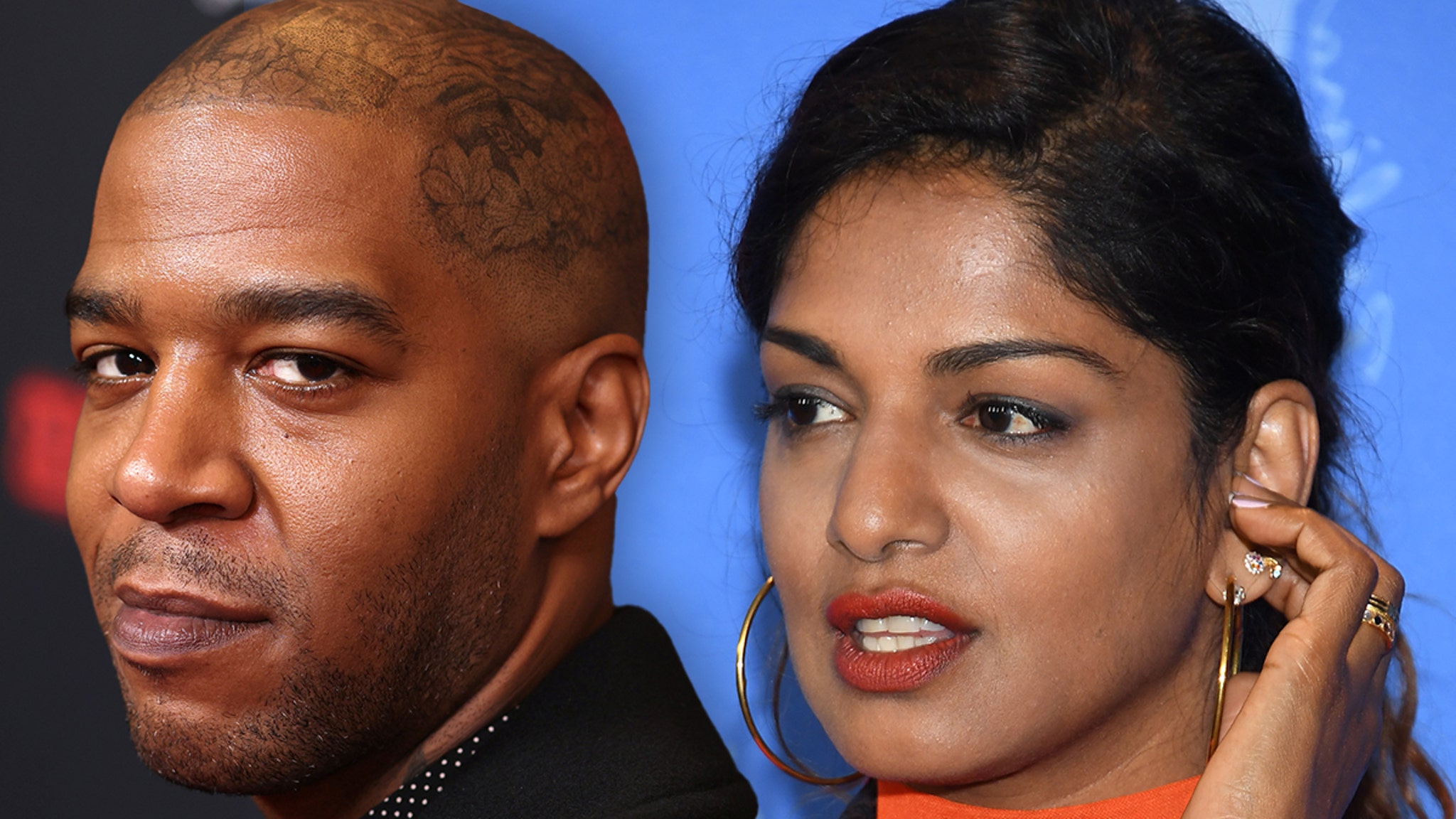
Kid Cudi announced in early May that he had removed M.I.A. from his upcoming tour lineup after her onstage remarks sparked controversy. The decision was posted on the artist’s official social‑media channels, where Cudi apologized to fans for the comments that offended some attendees.
Less than a week later, M.I.A. filed a lawsuit claiming the dismissal was unjust and politically motivated.
In the complaint, M.I.A. alleges that Cudi terminated her because of statements she made during the performance, arguing he had known her political stance when hiring her. She further asserts that the firing was intended to generate publicity for the tour and that she lost a $2.8 million guarantee from Live Nation as a result.
Cudi’s legal representatives argue that the artist’s right to curate artistic content is protected by the First Amendment and that payment disputes lie solely with Live Nation.
The dispute has quickly shifted from backstage drama to public court filings, raising questions about the intersection of artistic freedom and contractual obligations in live‑event touring.
Fans and industry observers are watching closely as both sides outline their positions and anticipate how the matter may resolve before the tour’s next leg begins.
## Background & Context
Kid Cudi’s tour, slated to begin in late summer, was billed as a high‑energy collaboration with several emerging acts, including M.I.A. The artist posted a promotional video in March that highlighted his eclectic lineup and set expectations for an immersive concert experience.
When M.I.A. joined the tour in early May, she performed her signature high‑energy set and delivered a brief political commentary that drew mixed reactions from the crowd.
The remarks, described by M.I.A. as “a statement about cultural identity,” were perceived by some attendees as offensive, prompting immediate backlash on social media. The negative sentiment led Cudi to issue an apology in a short post, explaining that the content did not align with the tone he intended for the event.
He cited concerns over potential alienation of certain audience segments and cited his responsibility to maintain a cohesive artistic vision.
Cudi’s decision to remove M.I.A. was swift, but it also sparked debate about whether an artist can lawfully dismiss a performer based on political expression.
The tour’s management team, under contract with Live Nation, was forced to navigate the logistical fallout of last‑minute lineup changes while addressing fan disappointment and media scrutiny.
### A Legacy of Boundary‑Pushing
Kid Cudi, born Scott Mescudi in 1984, first captured attention with his 2009 breakthrough single “Pursuit of Happiness.” His work has consistently blended introspection with experimental production, positioning him as a pioneer of the emo‑rap subgenre.
Over the past decade, Cudi has cultivated a reputation for crafting immersive, concept‑driven tours that often feature a mix of up‑and‑coming talent and genre‑bending collaborations.
M.I.A., on the other hand, is an artist whose career spans music, visual art, and activism. Emerging from the UK’s trip‑hop scene in the early 2000s with hits like “Paper Planes” and “Bad Girls,” she has become a global icon for outspoken political commentary.
Her public statements on immigration, capitalism, and indigenous rights have earned her both accolades and criticism, making her a polarizing figure within the pop‑culture landscape.
When the two artists first crossed paths on tour, it was seen as a meeting of creative minds from disparate genres: hip‑hop’s introspective lyricism and M.I.A.’s sharp political edge.
The lineup promised fans a sonic journey that traversed cultural landscapes, but it also set the stage for potential ideological clash—an issue that would surface in the weeks that followed.
### Fan Reaction to the Firing
The announcement of M.I.A.’s removal sparked an immediate flood of reactions from fans on every platform. Supporters of Cudi expressed relief, . Others accused him of censoring political speech, with memes and hashtags such as #FreeMIA and #CudiCensorship trending within hours.
M.I.A.’s own fanbase rallied in defense, calling the firing an example of corporate politics overriding artistic expression.
A coordinated effort to share her earlier work and social‑media posts highlighted her history of politically charged performances, framing the lawsuit as a continuation of her struggle for free expression in the entertainment industry.
The backlash also prompted conversations among music lovers about the role of politics in live performance. Some argued that an artist’s political stance is part of their identity and should not be used as a dismissal criterion.
Others maintained that while artists have the right to express themselves, they must also consider the audience’s experience and the collective vision of a concert tour.
## Legal Arguments and Reactions
M.I.A.’s lawsuit claims that Cudi fired her in retaliation for her onstage remarks, which she asserts were protected under free‑speech principles. She argues that the artist had prior knowledge of her political views and leveraged them to justify the dismissal.
Additionally, the complaint states that the removal was part of a strategy to attract headlines and boost ticket sales through controversy.
Kid Cudi’s public statement frames his actions as a matter of artistic integrity protected by the First Amendment. He emphasized that he retains full discretion over casting decisions to preserve the thematic coherence of his shows.
Cudi also clarified that any contractual or financial disputes between M.I.A. and Live Nation are independent matters; he maintains that it is not his responsibility to settle those claims.
Both sides have positioned their arguments within distinct legal frameworks: M.I.A. focuses on free‑speech retaliation, while Cudi centers on contractual autonomy and First Amendment protection.
The lawsuit’s filing introduces a clear conflict over the extent to which personal political expression can influence professional engagement in the entertainment industry.
### Industry Perspective
From an industry standpoint, this case illustrates the precarious balance between artistic freedom and commercial viability. Tour producers frequently negotiate performance agreements that include clauses on content suitability, especially when multiple acts share a stage under a single brand.
The standard practice is to provide a “creative control” clause that allows the headlining artist to approve or disapprove supporting acts based on their alignment with the overall tour theme.
However, the use of such clauses can become controversial when they intersect with artists’ political viewpoints. This is not the first time that a headliner’s decision to drop an opening act has led to legal scrutiny.
Similar disputes have arisen in the past when political content or public statements by supporting artists have been deemed detrimental to a tour’s marketability. The outcome of this lawsuit could set a new benchmark for how these clauses are interpreted in court, influencing future contract negotiations across the music business.
## Implications for the Tour
The lawsuit may delay or alter the schedule of upcoming tour dates, as producers reassess staffing requirements and negotiate with Live Nation regarding compensation and contractual obligations. Ticket holders who purchased tickets for M.I.A.’s set could seek refunds or exchanges, adding financial pressure to the event’s management team.
From a public‑relations standpoint, both parties risk reputational damage. Cudi faces accusations of suppressing political speech, while M.I.A. must navigate claims that she exploited controversy for personal gain.
The outcome of the legal battle could set a precedent for how artists and performers handle political content during live events.
Industry insiders speculate that a settlement could be reached to avoid prolonged litigation and negative publicity, but the parties have yet to disclose any negotiation progress.
The broader community watches to see whether the First Amendment’s protection of artistic choice can withstand claims of political retaliation in a high‑profile tour context.
The court’s decision will likely influence future tour agreements, prompting artists and managers to clarify policies on political expression. Until a verdict is reached, the tour remains in flux, with fans and stakeholders awaiting clarity on whether M.I.A. will return to the stage or if the dispute ends with a financial settlement.
### Fan Community Dynamics
The controversy has inadvertently created a new sub‑culture of fans who advocate for “politically inclusive touring.” Groups on Discord and Reddit have started to organize listening parties that feature politically diverse playlists, arguing that music should serve as a platform for dialogue rather than entertainment alone.
These communities emphasize the importance of artist autonomy while recognizing that commercial interests can sometimes stifle creative expression.
The debate also spurred a wave of fan‑generated content exploring how political statements could be integrated into live shows without alienating audiences. Artists and producers are now more attentive to the fine line between provocative performance and potential backlash, leading to a more nuanced approach to tour curation.
## Conclusion
Kid Cudi’s decision to remove M.I.A. from his tour, followed by the artist’s legal counter‑action, has opened a broader conversation about artistic freedom, political expression, and contractual authority in the live‑performance arena.
The case sits at the intersection of First Amendment rights and the commercial realities of touring, placing a spotlight on how artists navigate their personal convictions while maintaining cohesive brand experiences for audiences.
Whether the lawsuit resolves through settlement or trial, its outcome will reverberate across the music industry. Future tours may see clearer guidelines around political content, and artists may reassess how they engage with political discourse during live events.
For fans, the ongoing saga reminds us that concerts are not merely spectacles of sound; they are cultural gatherings where ideas collide, and the tensions between art, commerce, and free speech become palpable.
The coming weeks will be pivotal as both Cudi and M.I.A. continue to articulate their positions and as the legal process unfolds.
In a landscape where music is increasingly entwined with activism, the precedent set here could shape how future generations of performers balance the power of their voices with the responsibilities of the stage.
Why It Matters
Our Take
GoNews Pulse Editorial Team
This article was prepared for publication by GoNews Pulse and checked for publication requirements under our editorial standards. We review available information and correct material errors when they are identified.
Quick Answers
- What is the latest update on this story?
- M.I.A.’s shocking onstage remarks spark a tour split that turns into a legal showdown, leaving fans on edge.
- Who is this story about?
- This article covers developments related to Kid Cudi Ousts M.I.A. After Bold Speech, Lawsuit Fires Back. GoNews Pulse's editorial team monitors the story and updates the article as new verified information becomes available.
- Where can I read more about Kid Cudi?
- GoNews Pulse publishes original reporting on Kid Cudi and related entertainment news. Visit the homepage or browse the section dedicated to this story for the latest coverage.
Related topics
- #Kid Cudi
- #M.I.A.
- #Live Nation
- #First Amendment
More From This Section
Jeff Goldblum's lizard‑music voice role stuns fans with quirky adventure
The film’s 10 CGI lizards play a 3‑minute symphony that Jeff Goldblum calls 'surreal', sparking buzz before the trailer drops.
Tom Cruise's $245M 'Digger' flop shatters studio record
With just $8 million opening domestically and a 60% drop in its second week, 'Digger' hauls in a record $245 million loss that Hollywood hasn't seen.
Bryan Seaver’s $251,000 debt claim threatens Dollywood order
Seaver claims the $251,000 owed for Dollywood security services has cleared, but the park argues payments were incomplete, sparking a restraining order fight.