
Keltie Knight's 44-Year-Old Prozac Breakout Reveals Libido Loss
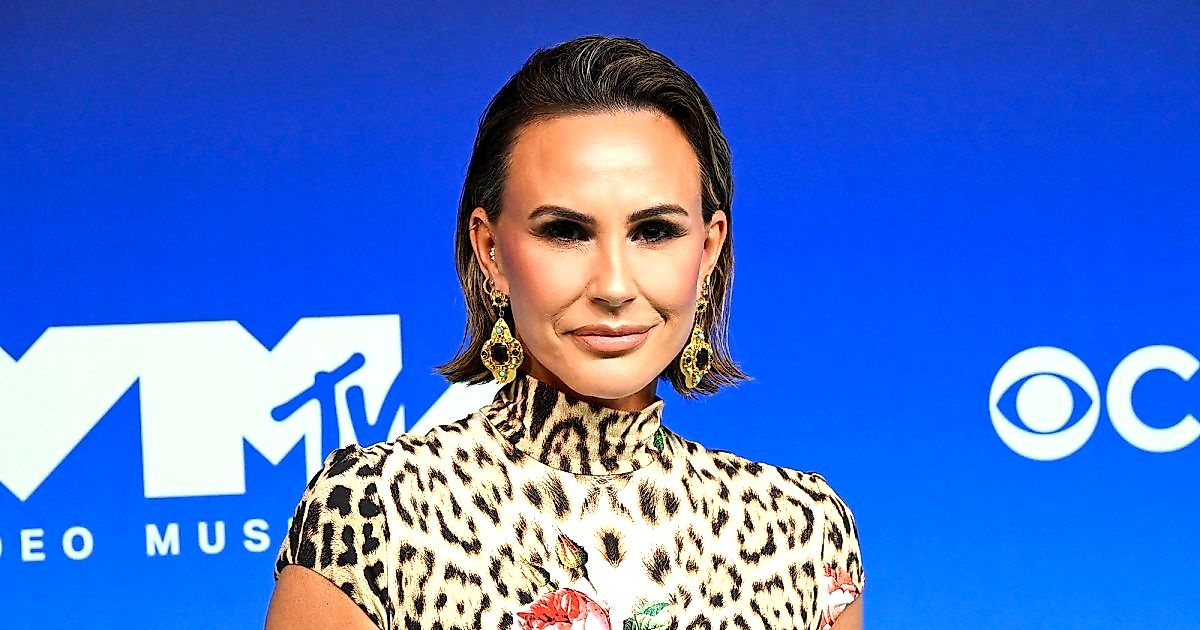
# Keltie Knight Reveals How Cutting Prozac Slashed Her Libido, Saying “I Can’t Have Both” On the night of September 29, the LadyGang’s flagship Facebook livestream, *Wake Up Horny: A Pink Pajama Party*, turned from a light‑hearted chat into a candid forum on women’s sexual wellness.
The three‑time Emmy‑winning host, Keltie Knight, 44, steered the conversation into a territory that has long stayed under wraps: how a common antidepressant can blunt desire. Joining Knight were fellow cohosts Becca Tobin and Jac Vanek, as well as guest experts Cindy Eckert, founder of Sprout Pharmaceuticals, and Dr.
Sasha Davenport, an OB‑GYN who specializes in sexual health. The audience, a mix of fans and curious viewers, queued up with questions, most of them about the intersection of mental health treatments and libido.
The stream’s title, *Wake Up Horny*, hinted at a playful tone, but Knight made it clear that the discussion was anything but superficial. She wanted the show to become a space where women could confront topics they might otherwise hide behind polite smiles.
As the host explained, “We really wanted to use this as an opportunity to have an actual conversation where we can talk about things we’re embarrassed to talk about.” Knight’s willingness to open up about her own struggles with a prescription SSRI was a pivotal moment for many viewers who have felt isolated by the stigma surrounding sexual desire. ## Background & Context Keltie Knight’s career has spanned television, radio, and now digital media, but her journey into the realm of sexual health advocacy is rooted in personal experience.
For years, she has balanced a high‑profile public persona with the private challenges of managing a mental health condition that required long‑term medication. The discussion on the livestream revolved around the SSRI known as Prozac, a drug that has been a mainstay for treating depression and anxiety for decades.
Knight admitted that, while the medication had provided relief for her mood, it had come at a steep cost: a noticeable decline in her sex drive.
“I just have been lowering my Prozac, and one of the main reasons I’ve wanted to is because I know that it has been killing my sex drive,” Knight told the audience, echoing the experience of many women who find their libido suppressed by antidepressants.
She continued, “I then went down and I started to feel not so bananas, and I was like, ‘Oh, I guess I can’t have both.’” The statement captured the difficult trade‑off she had faced: a reduced dosage could lessen her side effects, but it risked a return of her depressive symptoms.
The conversation highlighted a broader issue—how many women are forced to choose between mental health stability and sexual well‑being. The stream’s format, with live questions from viewers, turned the discussion into an interactive dialogue.
A fan’s call about the SSRI’s impact on her own libido prompted Knight to thank the viewer for her bravery. “I was going to ask that question, but I wasn’t brave enough because I don’t want the whole world to know that,” the fan admitted.
Knight’s response—“Thank you for being brave enough to do that”—set a tone of mutual vulnerability, encouraging others to speak openly about similar experiences. ## What People Are Saying The presence of Cindy Eckert and Dr.
Sasha Davenport added depth to the conversation, framing Knight’s personal testimony within a broader context of women’s sexual health advocacy.
Eckert, whose company pioneered the drug Addyi (flibanserin), spoke passionately about the disparity in medical research: “What matters to women should matter to medicine,” she declared.
Her remarks highlighted the stark contrast between the 26 FDA‑approved drugs available for men’s sexual health and the absence of any for women until Addyi’s approval.
Knight echoed this sentiment, noting the frustration she felt when she realized the medical system had not kept pace with the needs of half its population. “Then Cindy called bulls***,” she said, referencing Eckert’s relentless push for FDA approval and the ensuing battle for accessibility.
The story of Addyi—originally developed to treat hypoactive sexual desire disorder (HSDD)—illustrated a broader systemic problem. After Eckert’s company was sold, the new owner reportedly halted the drug’s launch, leaving women without a proven therapeutic option.
Eckert’s subsequent campaign to reverse that decision underscored the ongoing fight for women’s rights to accessible, evidence‑based treatments. The livestream also touched on the cultural tendency to dismiss or minimize women’s sexual concerns.
Eckert warned that many doctors “either tell us to relax and drink a glass of wine” or deny them a medication that has undergone clinical trials involving 13,000 women.
“We either show up to the doctor and they tell us to relax and drink a glass of wine, or they gatekeep a solution from us that is FDA‑approved with 13,000 women in clinical trials,” she said, emphasizing the need for a shift in medical practice and patient advocacy. ## What Happens Next Knight’s openness on the platform foreshadows her next major project: the forthcoming book *The F‑Them Theory*, slated for release on November 24.
The title hints at a provocative exploration of gender dynamics, but the content also promises a deeper dive into her own “radical honesty era.” Knight has framed this period as a deliberate choice to share her vulnerabilities publicly, with the aim of normalizing conversations about sexual desire and mental health medication.
The momentum from the livestream may also accelerate progress in the medical field. Addyi’s journey from controversial drug to approved therapy serves as a case study, but the real measure of success will be the drug’s availability to the women who need it.
Eckert’s advocacy suggests that further lobbying and public pressure could influence both FDA policy and pharmaceutical distribution practices. If successful, the increased accessibility of Addyi could set a precedent for the approval of future medications targeting women’s sexual health.
Meanwhile, Knight continues to leverage her platform to keep the conversation alive. By inviting experts, encouraging fan participation, and linking her personal story to larger systemic issues, she positions herself as a bridge between patients and practitioners.
Her forthcoming book and potential speaking engagements could further cement her role as a catalyst for change, prompting both clinicians and consumers to demand more comprehensive care for women’s sexual well‑being.
In the weeks ahead, audiences can expect a ripple effect: more open discussions, heightened awareness of SSRI side effects, and a renewed focus on balancing mental health treatment with sexual fulfillment.
Knight’s candid confession, coupled with Eckert’s relentless fight for access, underscores a truth that has been long overdue: women’s sexual health matters, and the medical community must finally give it the attention it deserves.
At a Glance
- Keltie Knight publicly shares how reducing her Prozac dosage cut her libido but stabilized her mood.
- Experts discuss the scarcity of FDA‑approved sexual health meds for women, spotlighting Addyi’s controversial journey.
- Knight’s livestream ignites a broader conversation about balancing mental health treatment with sexual wellbeing, setting the stage for future advocacy.
Why It Matters
Our Take
GoNews Pulse Editorial Team
This article was prepared for publication by GoNews Pulse and checked for publication requirements under our editorial standards. We review available information and correct material errors when they are identified.
Quick Answers
- What is the latest update on this story?
- She admits dropping Prozac lowered her mood but gave back her sex drive, saying 'I can't have both,' sparking a national debate on SSRI side‑effects.
- Who is this story about?
- This article covers developments related to Keltie Knight's 44-Year-Old Prozac Breakout Reveals Libido Loss. GoNews Pulse's editorial team monitors the story and updates the article as new verified information becomes available.
- Where can I read more about celebrity news?
- GoNews Pulse publishes original reporting on celebrity news and related entertainment news. Visit the homepage or browse the section dedicated to this story for the latest coverage.
More From This Section

Jon Gosselin's 22‑Year‑Old Son Exposes Abuse, Father Shouts Support
Jon Gosselin declares that his son’s 22‑year‑old memoir exposes alleged institutionalization and a hidden ‘small holding’ cell, sparking a national debate.

Mike Colter's Valley Firm AGI Bo Revealed at 2:00 a.m. Shocks Fans
Rob McClure's portrayal of Bo forces the firm to confront a real‑world AGI asking for legal guardrails, sparking a tense ethical debate.

Meredith Grey's bed proposal to Nick on surgery table stuns fans
Meredith Grey slipped a ring into Nick's hand while he lay on the operating table, a move that stunned fans amid the bridge collapse.