
Kelly Kowal's emoji storm over BBC 110 layoffs sparks uproar
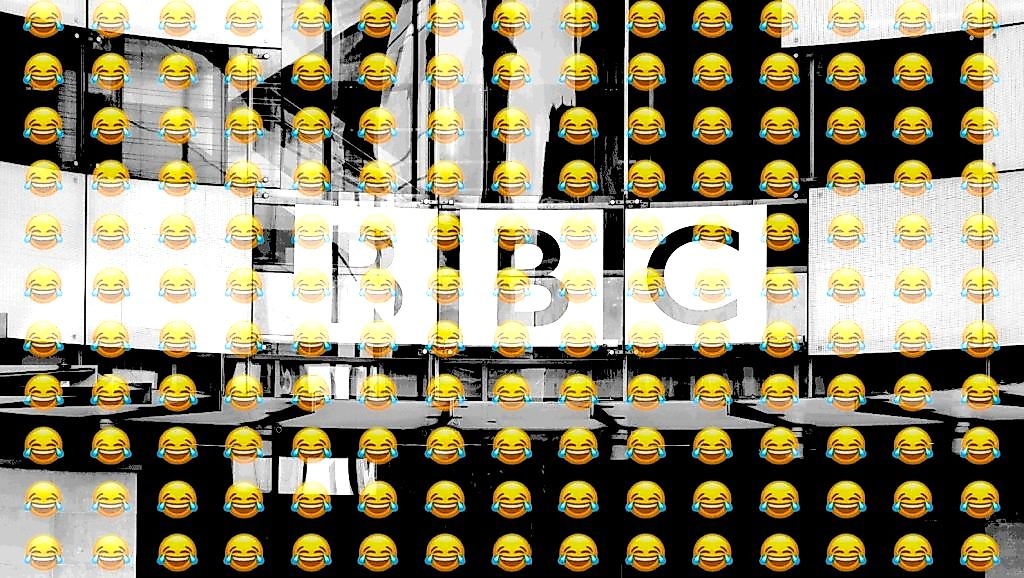
# **BBC Staff Break Silence With Emoji Storm During Cost‑Cut Call** Earlier this week, a flurry of laughing‑crying emojis erupted across a Microsoft Teams screen as BBC Media Tech leaders unveiled plans to cut 110 roles.
The emoji‑laden barrage was more than a joke; it was a silent protest that echoed the growing frustration simmering inside one of Britain’s most iconic institutions.
While the corporation’s executives discussed a £500 million savings strategy, the staff’s digital outburst turned a routine briefing into a watershed moment for employee morale. The timing could not have been more sensitive.
The BBC is on the brink of announcing further closures that could see long‑running channels like BBC Three and services such as Radio 4 Extra slip into the fire.
In addition to the announced layoffs, insiders say that Matt Brittin, the director general, will address staff in a town‑hall meeting next week—an event expected to set the tone for the network’s future.
The emoji revolt therefore came against a backdrop of uncertainty and speculation, amplifying concerns that the organisation’s cost‑cutting drive is leaving a trail of discontent in its wake. The reaction from senior leadership was swift and stern.
Kelly Kowal, the chief operations and portfolio officer, posted a Slack message that cut through the emoji haze, labeling the behaviour “not appropriate” and “disrespectful” to colleagues affected by yesterday’s announcement.
Andy Ryan, director of technology support and engineering operations, warned that the staff would be confronted for “challenging behaviour.” These responses underscored that the BBC’s hierarchy is aware of the growing divide between decision‑makers and those most impacted by the cuts. ## Background & Context BBC Media Tech, the division that powers the iPlayer and other digital services, has been a focal point for the corporation’s cost‑cutting strategy.
Earlier this year, the unit announced a £42 million reduction, followed by an additional £37 million saved in the latest round. The most recent plan projects another £23 million in early‑2027 savings, bringing the division’s total contribution to the BBC’s £500 million target to £102 million.
These figures represent a significant portion of the broadcaster’s broader fiscal agenda, which is largely driven by a shrinking licence‑fee base and an increasing demand for digital innovation. The decision to eliminate 110 positions is part of a broader effort to streamline operations and refocus resources.
The BBC has signalled that it intends to channel savings into improving the iPlayer experience and reducing duplication across its network.
Yet, the looming threat of shuttering channels such as BBC Three and possibly Radio 4 Extra has left many staff members feeling uncertain about their job security and the direction of the corporation.
This wave of cuts follows a decade of restructuring across the BBC, with the organization constantly balancing public service commitments against financial sustainability. The latest round of layoffs reflects not only budgetary constraints but also a shift toward a more digitally oriented model of content distribution.
While leadership frames these moves as necessary, the staff’s emoji protest suggests a perception that the cost‑cutting calculus may be undermining the BBC’s core values of openness and accountability. ## What People Are Saying The Slack thread that emerged after the Teams call quickly became a focal point for employee sentiment.
Kelly Kowal’s message, posted shortly after the emoji storm, was unambiguous: “I want to be clear that some of the comments and behaviour during the discussion were not appropriate and fell short of the standards of respect and constructive challenge I expect from us as a team.” She went on to emphasise that while dissent is healthy, it must be expressed with professionalism and in consideration of colleagues directly affected by the announcements.
Andy Ryan, who spoke in a separate call, characterised the emoji usage as “challenging behaviour” and stated that the BBC would confront individuals to discuss their actions. His remarks underline an institutional desire to reassert control over internal communication norms, especially during sensitive discussions.
Beyond the leadership’s responses, staff reactions have varied.
Some participants in the call felt that the emojis were a harmless way to vent frustration, while others worried that such behaviour could undermine the seriousness of the conversation. the emoji function remained active during an internal briefing—despite usual restrictions on questions and comments—raised questions about the adequacy of digital communication protocols within the BBC.
The outpouring of emojis has also sparked a broader debate about workplace culture. Employees have begun to question whether the BBC’s internal communication environment is conducive to open dialogue or if it stifles genuine expression.
As the corporation moves toward a more technology‑driven model, questions about how to preserve a sense of community and respect among staff have come to the fore. ## What Happens Next The immediate aftermath of the emoji revolt is likely to set the tone for the forthcoming town‑hall meeting, where Matt Brittin is expected to address the staff’s concerns.
The meeting, scheduled for Wednesday, will be chaired by Radio 4 Today host Anna Foster, a role that signals the BBC’s intent to use trusted voices to bridge the gap between management and employees.
Brittin’s address will probably outline the next phase of the cost‑cutting strategy, including potential closures of flagship channels. The announcement is anticipated to clarify whether BBC Three and Radio 4 Extra will face the axe, a decision that has been met with resistance from both viewers and staff alike.
The outcome will also determine whether additional redundancies will be announced, thereby affecting thousands of employees across the corporation. In parallel, the BBC may review its internal communication policies to prevent a recurrence of the emoji incident.
While the senior leadership has indicated that the current incident will be addressed through individual conversations, it is unclear whether broader structural changes will be introduced to ensure that future discussions remain constructive and respectful.
The ripple effect of the emoji revolt may also influence the BBC’s public relations strategy. Public perception of the broadcaster’s internal culture could shape viewer trust and engagement.
As the BBC navigates these turbulent waters, the balance between fiscal responsibility and employee welfare will be under scrutiny from both within and outside the organisation.
In the coming weeks, the BBC’s leadership will be tasked with restoring confidence among its workforce and reassuring the public that the corporation remains committed to its core mission.
Whether the organisation can reconcile its financial imperatives with a respectful, transparent workplace culture will determine the success of its future endeavors. The emoji revolt has turned a quiet corporate call into a loud statement, and the BBC’s response will define its path forward.
At a Glance
- BBC Media Tech announces 110 role cuts amid £500m savings drive.
- Staff unleash emoji storm during Microsoft Teams call, sparking a silent protest.
- Senior leaders respond with stern Slack messages, warning of disciplinary action.
Why It Matters
Our Take
GoNews Pulse Editorial Team
This article was prepared for publication by GoNews Pulse and checked for publication requirements under our editorial standards. We review available information and correct material errors when they are identified.
Quick Answers
- What is the latest update on this story?
- Slack thread shows Kelly Kowal labeling the emoji outburst "not appropriate", igniting a firestorm of employee outrage.
- Who is this story about?
- This article covers developments related to Kelly Kowal's emoji storm over BBC 110 layoffs sparks uproar. GoNews Pulse's editorial team monitors the story and updates the article as new verified information becomes available.
- Where can I read more about celebrity news?
- GoNews Pulse publishes original reporting on celebrity news and related entertainment news. Visit the homepage or browse the section dedicated to this story for the latest coverage.
More From This Section

Jon Gosselin's 22‑Year‑Old Son Exposes Abuse, Father Shouts Support
Jon Gosselin declares that his son’s 22‑year‑old memoir exposes alleged institutionalization and a hidden ‘small holding’ cell, sparking a national debate.

Mike Colter's Valley Firm AGI Bo Revealed at 2:00 a.m. Shocks Fans
Rob McClure's portrayal of Bo forces the firm to confront a real‑world AGI asking for legal guardrails, sparking a tense ethical debate.

Meredith Grey's bed proposal to Nick on surgery table stuns fans
Meredith Grey slipped a ring into Nick's hand while he lay on the operating table, a move that stunned fans amid the bridge collapse.