
Kelly Clarkson's $15,000 Bird Mix‑Up Sparks 2,000‑Message Storm
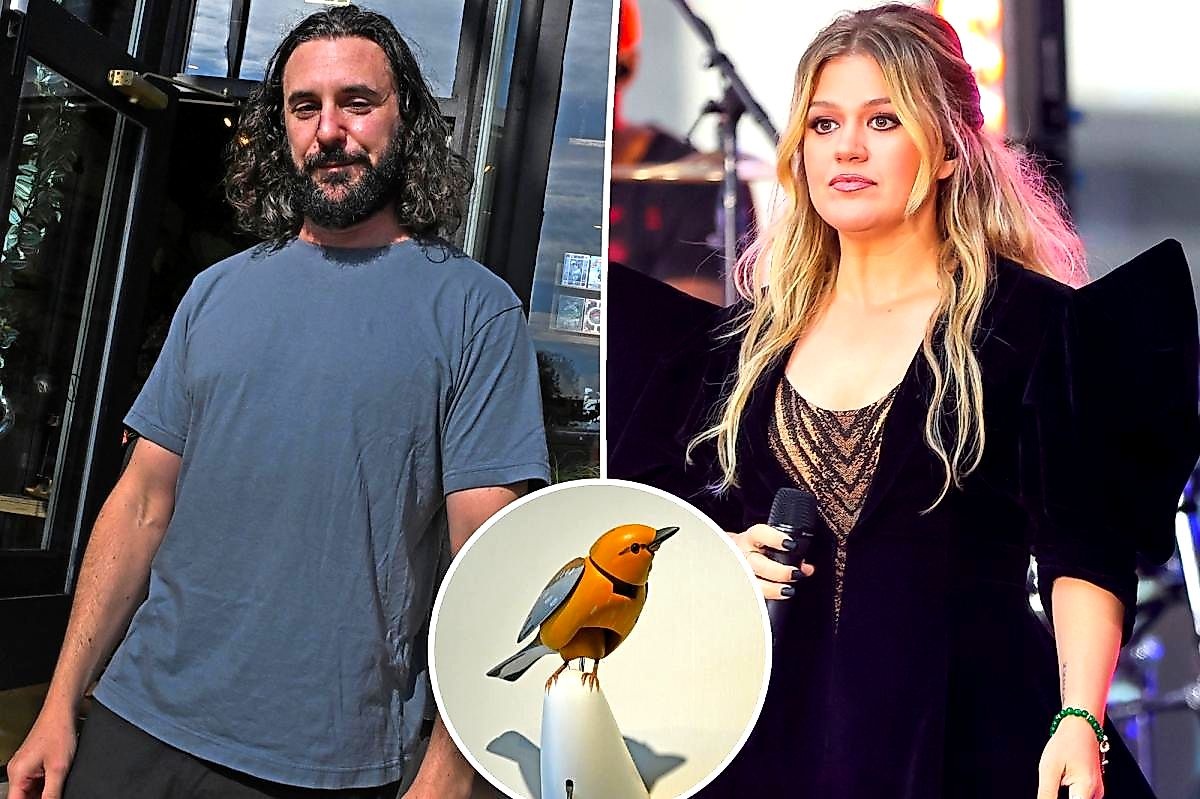
**Kelly Clarkson Sparks 2,000‑Message Storm After Brooklyn Bird Mix‑Up** A mechanical singing bird perched on a wall in a Brooklyn kids’ shop has become the center of a sudden, heated feud that has turned a casual shopping trip into a national conversation about celebrity power and consumer expectations.
The tiny automaton, nicknamed “Molly,” was never for sale, yet a 44‑year‑old singer, known worldwide for her powerful voice and down‑to‑earth personality, found herself at the epicenter of a backlash that flooded the store’s private inboxes with threats and hate.
For Adam Rubin, co‑owner of Art of Play in Brooklyn Heights, the incident felt less like a commercial misunderstanding and more like a stark illustration of how fame can distort reality.
“**When this thing first started, everybody wanted us to die,**” he said, describing the wave of angry calls and messages that followed the singer’s social‑media post.
Rubin’s frustration stemmed not only from the immediate harassment but also from what he saw as a broader societal pattern in which celebrities wield disproportionate influence over ordinary businesses.
The situation began when the singer walked into the shop to inspect a $15,000‑worth bird, a custom creation that takes years to build. A staff member, speaking on behalf of the shop, told her the bird was on display and not for sale, offering instead a $2,000 model.
The singer, feeling dismissed, retweeted the encounter with a sharp critique of the shop’s customer service. Within hours, the shop’s inbox exploded with hateful texts and phone calls. ## Background & Context Art of Play has built its reputation on providing high‑end, educational toys for children and families.
The store’s walls showcase intricate models of animals, each crafted to move and sing in ways that spark imagination. The “Molly” bird, designed to sing popular songs and perform acrobatics, was the centerpiece of a recent display.
While the shop has occasionally sold custom pieces, the bird in question was part of a permanent exhibition and was not listed for purchase. The singer’s request for purchase was met with an explanation that the bird’s production was a one‑of‑a‑kind project.
The shop offered a less expensive automaton, but the singer declined. A misunderstanding quickly escalated when she posted a video of the encounter on her social‑media platform, labeling a staff member an “idiot” for suggesting a cheaper alternative.
The shop’s public response clarified that the bird was not for sale and that the offer of a lower‑priced model was genuine. The rapid spread of the exchange illustrates how a single interaction in a small storefront can ignite a cascade of online commentary.
The singer’s status and her active fan base amplified the situation, transforming what might have been a routine customer service incident into a viral debate. ## What People Are Saying The storm that erupted after the incident was intense. First, the shop’s staff reported a torrent of abusive messages.
Thousands of hate texts and phone calls targeted not only the shop’s owners but also their neighbors and personal contacts.
Rubin described the experience as “so intense – thousands of hateful phone calls, thousands of hateful text messages, fans demanding we issue her an apology.” He said that the fan base appeared to have “come out of the woodwork,” tracking the owners down and attacking them online.
Second, the public debate extended beyond the shop’s immediate circle. Critics of the singer questioned whether her reaction was disproportionate, while supporters argued that the shop had misrepresented the bird’s availability.
Some observers noted that the singer’s comments had effectively “lit the fuse,” sparking a chain reaction of online harassment that they felt was unfair to the shop.
Rubin maintained that the singer’s influence had a direct impact, saying that she had “knew what was going to happen” and that her platform had been used to “weaponize” her fan base. In contrast, a minority of commenters defended the shop, pointing to the bird was indeed a custom, non‑standard item.
They argued that the shop’s communication was adequate, noting that it had offered a comparable, lower‑priced model. Others suggested that the singer had misjudged the shop’s intent, labeling the staff’s offer as a polite alternative rather than a dismissal.
The conversation also touched on broader themes of celebrity privilege and the expectations placed on businesses that serve high‑profile clients. Despite the intensity of the backlash, Rubin has expressed a willingness to welcome the singer back to the shop at any time.
He said, “**This is not about Kelly Clarkson. This is about the power that we acquiesce to celebrity, and how okay we are with it as a society when they abuse it.**” ## What Happens Next The fallout has prompted Art of Play to revisit its customer service policies and its public‑relations strategy.
While the owners have already made public statements clarifying the status of “Molly,” they also acknowledged the need for better communication during high‑profile interactions.
Some shop staff have requested additional training on how to manage expectations for customers who might not fully understand the nuances of custom toy production. On the singer’s side, her team has yet to issue a formal response to the shop’s clarifications.
The singer’s prior public remarks about the incident have remained unchanged, though some speculate that a public apology might ease tensions. Meanwhile, fans continue to post both supportive and critical content, suggesting that the conversation may linger until the shop’s reputation is fully restored.
In the broader context, the episode has reignited discussions about the responsibilities that come with fame.
The situation has undeniably left a lasting imprint on both parties, turning the story of a mechanical bird, a Brooklyn storefront, and a pop star’s tweet into a microcosm of a larger cultural conversation about power, responsibility, and the fragile boundaries that separate public figures from everyday life.
At a Glance
- A mechanical bird on display at Art of Play was not for sale, yet a $15,000 custom automaton caused a heated backlash when Kelly Clarkson tweeted about it.
- The singer’s criticism of a staff offer of a $2,000 model triggered a surge of abusive messages, calls and doxxing that overwhelmed the shop’s private inbox.
- The incident exposed how celebrity influence can distort small‑business interactions, prompting calls for clearer communication policies and social‑media moderation.
Why It Matters
Our Take
GoNews Pulse Editorial Team
This article was prepared for publication by GoNews Pulse and checked for publication requirements under our editorial standards. We review available information and correct material errors when they are identified.
Quick Answers
- What is the latest update on this story?
- Kelly Clarkson’s tweet calling a staff member an 'idiot' unleashed 2,000 threats, flooding the Brooklyn shop’s inbox with hate.
- Who is this story about?
- This article covers developments related to Kelly Clarkson's $15,000 Bird Mix‑Up Sparks 2,000‑Message Storm. GoNews Pulse's editorial team monitors the story and updates the article as new verified information becomes available.
- Where can I read more about celebrity news?
- GoNews Pulse publishes original reporting on celebrity news and related entertainment news. Visit the homepage or browse the section dedicated to this story for the latest coverage.
More From This Section

Jon Gosselin's 22‑Year‑Old Son Exposes Abuse, Father Shouts Support
Jon Gosselin declares that his son’s 22‑year‑old memoir exposes alleged institutionalization and a hidden ‘small holding’ cell, sparking a national debate.

Mike Colter's Valley Firm AGI Bo Revealed at 2:00 a.m. Shocks Fans
Rob McClure's portrayal of Bo forces the firm to confront a real‑world AGI asking for legal guardrails, sparking a tense ethical debate.

Meredith Grey's bed proposal to Nick on surgery table stuns fans
Meredith Grey slipped a ring into Nick's hand while he lay on the operating table, a move that stunned fans amid the bridge collapse.