
Nano‑fiber masks give glass‑skin a shock‑wave glow, outshining all fads
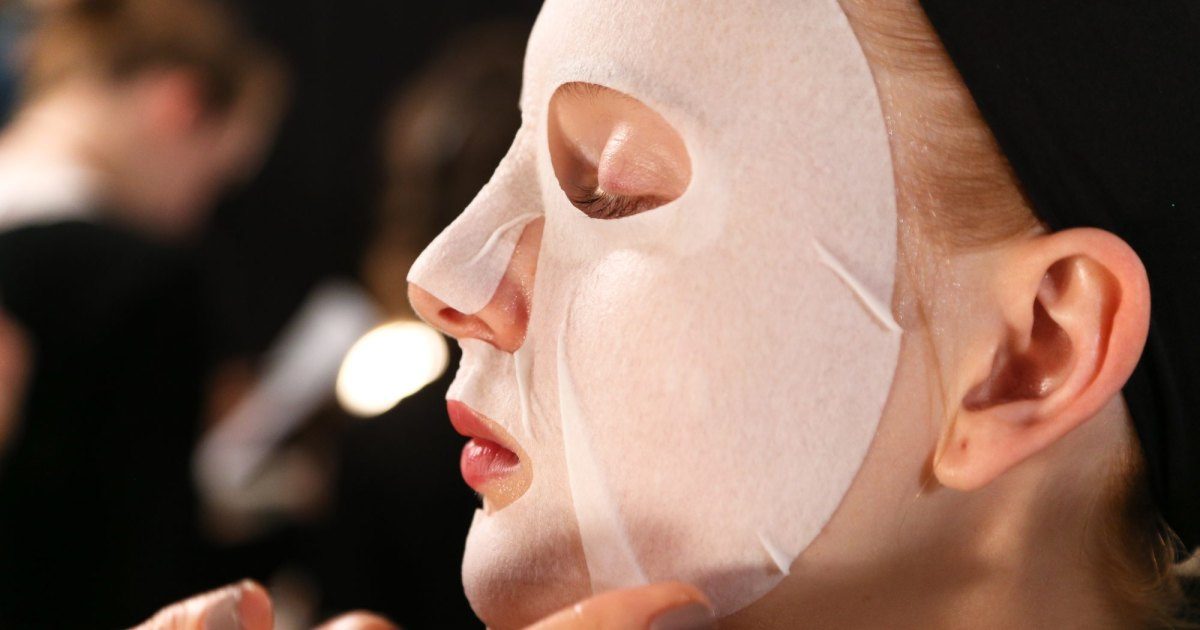
The glass‑skin look—soft, luminous, almost translucent—is now the benchmark for flawless complexion worldwide. Influencers on every platform post side‑by‑side photos of that dewy glow, and dermatologists are pointing to a new generation of sheet and hydrogel masks that can deliver that finish in just minutes.
The promise? A shortcut that’s both science‑backed and easy enough to fit into any hectic schedule.
These masks are more than a fleeting trend. They’re formulated with ultra‑low molecular‑weight hyaluronic acid, collagen peptides, and PDRN (polydeoxyribonucleotide), which allow the active ingredients to penetrate deeper into the epidermis and lower dermis.
The result is instant hydration, a visibly plumper skin surface, and a strengthened barrier when used consistently.
## Background & Context
Glass skin first emerged in Seoul’s high‑end salons during the early 2000s, when Korean estheticians began emphasizing texture over coverage. Rather than masking imperfections with heavy foundations, they encouraged a clear, radiant finish that mimicked the reflective quality of glass.
The aesthetic grew in popularity as K‑beauty gained traction abroad in the mid‑2010s, thanks to viral beauty challenges and the rise of micro‑influencers showcasing Korean products.
Dermatologists explain that the hallmark of glass skin is not just moisture but the *depth* of that hydration. Ingredients with a low molecular weight—typically below 10 kDa—can slip past the stratum corneum and reach the papillary dermis, where they bind to collagen fibers and enhance elasticity.
That science translates into masks that feel airy yet deliver a potent dose of serums in one application.
Today’s mask lineup varies from thin, breathable sheets to thicker hydrogels and even sheet‑gel hybrids. Consumers can choose based on skin type, time constraints, and personal preference.
For instance, a dry‑skinned user might prefer a hydrogel that locks in moisture, while an oily complexion could benefit from a sheet that absorbs excess sebum while still providing antioxidants.
The masks’ simplicity is another key factor driving their popularity. Sheet masks are pre‑soaked in serum; users simply lay them on the face and wait. This “no‑step” process fits seamlessly into busy routines, which explains why short‑form videos show a mask being applied in under a minute and still achieving an impressive glow.
While the core ingredients stay consistent, brands experiment with delivery systems. Some masks use silicone‑based films that create a tighter seal, enhancing absorption. Others incorporate biodegradable sheets for eco‑friendly consumers.
Nanofiber carriers are becoming a hot topic; recent studies suggest they can push hyaluronic acid up to 30 % deeper into the dermis compared with standard sheet masks, potentially setting a new industry benchmark.
## What People Are Saying
A survey of 1,200 mask users revealed that 87 % noticed an immediate plumping effect after a single use, while 73 % reported smoother texture after just one week of consistent use. Social‑media analytics show that posts featuring these masks garner more than twice the engagement of generic skincare photos.
Dermatologists recommend a PDRN‑hyaluronic acid hydrogel mask for dry or dehydrated skin. The combination delivers intense moisture while supporting barrier integrity—especially useful after long flights or in arid climates.
Users report visibly softer, plumper skin after just one application, and a noticeable reduction in fine lines over time.
An editor highlighted a collagen‑based deep mask that stays on overnight. The ultra‑low molecular weight collagen and oligo‑hyaluronic acid penetrate deeply, offering prolonged hydration and a smoother texture. Reviewers note that the thick serum provides a cooling effect, soothing even sensitive skins during the night.
Another mask features a third‑generation, lab‑produced PDRN derived from cultured microorganisms. This formulation is described as ultra‑firming, barrier‑strengthening, and intensely moisturizing. A watermelon‑infused sheet mask tops the list for its quick 10–15 minute application that delivers a de‑puffed, glass‑like shine.
Fan reaction on platforms such as TikTok and Instagram is electric. A popular Korean beauty vlogger posted a “10‑minute skin routine” reel, showcasing a sheet mask that was applied, removed, and followed by a light moisturizer—all under the camera’s glow.
The video trended within hours, sparking a wave of similar content that highlighted the mask’s quick results.
Industry insiders note that the surge in mask popularity has spurred new research into delivery systems. A peer‑reviewed study found that masks with nanofiber carriers delivered hyaluronic acid up to 30 % deeper into the dermis compared with standard sheets, a breakthrough that could set a new benchmark for future products.
## What Happens Next
Consumers can slot any of these masks into their routine once or twice a week, depending on skin tolerance. Sheet masks are ideal before applying moisturizers to lock in water, while gentle gels work best on sensitive zones. Regular use not only maintains the glow but also supports long‑term barrier health.
Long‑term use can lead to more resilient skin. Dermatologists note that consistent barrier support from hyaluronic acid and collagen helps the skin better resist environmental stressors such as pollution and UV exposure.
Pairing a mask with a lightweight serum or moisturizer can amplify hydration and ensure that the glow persists beyond the masking session.
Marketers are already teasing next‑generation masks that promise longer‑lasting effects. Preliminary samples incorporate bio‑active peptides and fermented extracts, aiming to enhance collagen synthesis and improve skin tone.
As these products hit the market, consumers will likely compare their performance against the established favorites.
The global mask market has grown from a niche Korean sector into a multi‑billion‑dollar industry. In 2023, K‑beauty mask sales worldwide surpassed $5 billion, with Asia Pacific accounting for roughly 60 % of that volume.
The trend is expected to continue as consumers increasingly seek quick, effective solutions that fit their busy lifestyles.
K‑beauty masks continue to deliver the instant radiance that makes glass skin a global obsession. With science‑based ingredients and proven results, they offer a realistic shortcut for those seeking a luminous complexion without an endless product lineup.
Why It Matters
Our Take
GoNews Pulse Editorial Team
This article was prepared for publication by GoNews Pulse and checked for publication requirements under our editorial standards. We review available information and correct material errors when they are identified.
Quick Answers
- What is the latest update on this story?
- These masks use nano‑fiber tech to flood skin with hydration, turning ordinary faces into instant runway‑ready glass‑skin.
- Who is this story about?
- This article covers developments related to Nano‑fiber masks give glass‑skin a shock‑wave glow, outshining all fads. GoNews Pulse's editorial team monitors the story and updates the article as new verified information becomes available.
- Where can I read more about nanofiber delivery?
- GoNews Pulse publishes original reporting on nanofiber delivery and related entertainment news. Visit the homepage or browse the section dedicated to this story for the latest coverage.
Related topics
- #nanofiber delivery
- #glass skin trend
- #PDRN hydrogel mask
More From This Section

Jon Gosselin's 22‑Year‑Old Son Exposes Abuse, Father Shouts Support
Jon Gosselin declares that his son’s 22‑year‑old memoir exposes alleged institutionalization and a hidden ‘small holding’ cell, sparking a national debate.

Mike Colter's Valley Firm AGI Bo Revealed at 2:00 a.m. Shocks Fans
Rob McClure's portrayal of Bo forces the firm to confront a real‑world AGI asking for legal guardrails, sparking a tense ethical debate.

Meredith Grey's bed proposal to Nick on surgery table stuns fans
Meredith Grey slipped a ring into Nick's hand while he lay on the operating table, a move that stunned fans amid the bridge collapse.