
Kane Parsons shocks fans by labeling ‘Backrooms’ a non‑horror movie
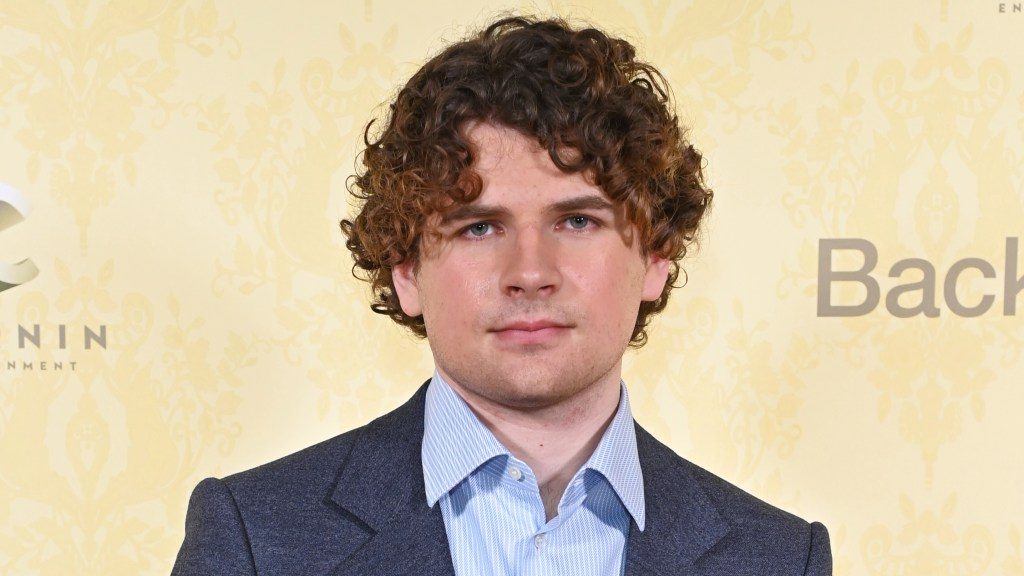
At the Zurich Summit on Saturday, director Kane Parsons made a surprising claim about his blockbuster *Backrooms*. He told the audience that the film is not a horror movie, despite its massive $400 million box‑office haul.
This statement comes as the film’s success has been wrapped in a horror label by marketers and audiences alike.
*Backrooms* grew from a web series rooted in online creepypasta lore. A24 spearheaded the adaptation, handling distribution and marketing. The studio’s promotional push framed the story as supernatural thriller, a strategy Parsons believes was the “path of least resistance.”
Parsons joined a panel focused on the $4.7 billion summer box‑office rebound, alongside Academy CEO Bill Kramer, Mattel Studios’ Robbie Brenner and Sony Pictures Classics co‑head Michael Barker. The discussion centered on how fan communities migrated from YouTube to theaters, bolstering releases like *Backrooms* and *Obsession*.
## Background & Context
*Backrooms* began as a web series that drew heavily on internet horror narratives, the creepypasta genre. Its cinematic adaptation turned into a $400 million hit that re‑energized theaters during a pandemic‑shaken year. The film’s success has been measured not only by revenue but also by its cultural footprint in the horror‑fan community.
A24, known for niche and genre‑blending projects, led the adaptation from web to big screen. The studio marketed *Backrooms* under a horror banner, an approach Parsons says emerged naturally as a convenient marketing tool. The label has guided audience expectations and shaped promotional materials for the film.
## What People Are Saying
Parsons stated, “I didn’t direct like a horror film. I don’t view it as a horror project.
I think that’s just naturally been the path of least resistance from a marketing perspective and it’s what seems comfortable to people as a framing device.” He added that A24 would likely disagree with this view but hoped future projects would avoid such labels.
Academy chief Bill Kramer acknowledged *Backrooms*’ role in the summer resurgence, noting it exemplifies how “your fandom travelled from YouTube to the theaters.” Brenner echoed this, saying, “Young people want to go back to movie theaters…
It’s all connected in a way that I don’t think we thought was possible.” Their remarks underline the link between online fanbases and theatrical attendance.
Barker described *Backrooms*’ box‑office success as part of a broader industry shift. He compared the current moment to historical inflection points like Easy Rider, emphasizing how films that resonate with young audiences can alter industry trajectories.
Barker also linked the trend to pandemic‑era platform growth exposing younger viewers to more diverse cinema.
## What Happens Next
Parsons said he intends to remain “oblivious to those labels” as he gains more creative control over future projects. He believes that a shift away from forced genre framing will give him and others in the industry greater flexibility.
Barker’s comments suggest the film business may continue to lean on cross‑platform fandoms, with audiences moving between YouTube and theaters. The industry will likely monitor whether this trend sustains beyond summer and how it influences production choices.
While *Backrooms* has already cemented its place at the box‑office, the director’s insistence that the film is not horror signals a potential reevaluation of how genre labels are applied.
Industry leaders agree the film’s success reflects shifting audience habits, but they warn that future projects will need to navigate both creative intent and marketing realities. Only time will show how these dynamics shape the next wave of releases.
Why It Matters
Our Take
GoNews Pulse Editorial Team
This article was prepared for publication by GoNews Pulse and checked for publication requirements under our editorial standards. We review available information and correct material errors when they are identified.
Quick Answers
- What is the latest update on this story?
- Director Kane Parsons claims Backrooms, the $400 million box‑office hit, is no horror—sparking a hot debate over its true genre.
- Who is this story about?
- This article covers developments related to Kane Parsons shocks fans by labeling ‘Backrooms’ a non‑horror movie. GoNews Pulse's editorial team monitors the story and updates the article as new verified information becomes available.
- Where can I read more about Kane Parsons?
- GoNews Pulse publishes original reporting on Kane Parsons and related entertainment news. Visit the homepage or browse the section dedicated to this story for the latest coverage.
Related topics
- #Kane Parsons
- #Backrooms film
- #A24
- #box office
- #genre labeling
- #YouTube fandom
More From This Section
Jessica Edwards' 27-Year Legacy Shakes Woodstock Film Festival
Jessica Edwards announced she will double the festival’s screen time for women filmmakers, promising a new wave of diverse stories at next spring’s event.

Taylor Swift's 36-Year-Old Red Turns Chiefs Fans Into Celebrity Crowd
Swift's front‑row red turtleneck and a heartfelt hug to Donna Kelce at Arrowhead left fans stunned as Chiefs edged Chargers 33‑30 in overtime.

Taylor Swift's 36-year-old drops 'The Fate of Ophelia' at Academy Gala
She stunned in a strapless pale‑blue Dior gown, opening with a brand‑new Toy Story 5 track and a 'Blank Space' performance, showcasing her theatrical flair.