
Judge Forces Paramount & WBD to Face Two-Day Showdown on Merger
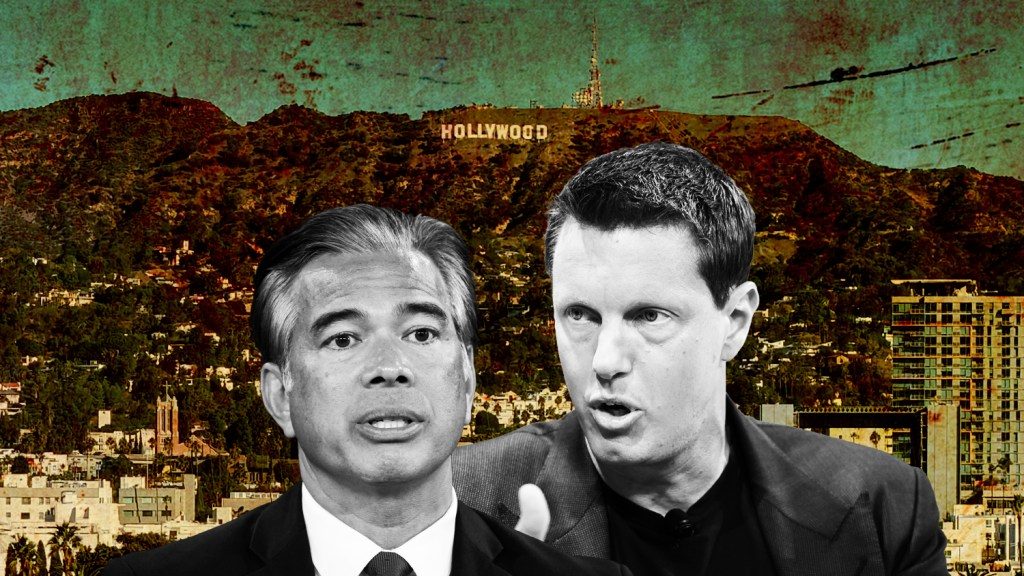
A federal judge in San Francisco has set a two‑day settlement conference for the lawsuit that seeks to block Paramount Global’s planned merger with Warner Bros. Discovery.
The conference will take place on October 14‑15 in a downtown courtroom. It is part of a legal process that could culminate in a trial scheduled for early March.
The case pits Paramount and its executives against a coalition of 12 state attorneys general, led by California Attorney General Rob Bonta, and the Writers Guild of America. The states accuse the merger of creating an unlawful monopoly in the media industry.
Bonta recently canceled a scheduled meeting after alleging that Paramount had leaked details of prior discussions; Paramount has denied that claim.
Bonta has pushed for “structural” remedies, including asset sales that could see Warner’s cable networks divested and a maintained separation between Paramount and Warner Bros. film studios. In response, Paramount CEO David Ellison has promised the merged entity will produce 30 films a year and secured theatrical terms.
Ellison also threatened to relocate the studio out of California if the case continues to drag on.
Under the parties’ agreement with Warner Bros. Discovery, Paramount will incur a $7 million‑per‑day ticking fee starting October 1 if the merger is not closed. Ellison told senior managers that he would begin seriously considering other states from that date.
The ticking fee is part of a broader debate over financial penalties that can accrue even if a company ultimately prevails at trial.
## Background & Context
The lawsuit centers on an antitrust claim that the Paramount‑WBD merger would significantly reduce competition in the film and television markets. Paramount’s attorneys argue that the merger has been approved by the Department of Justice and is not subject to further scrutiny.
The states, however, contend that the deal would create an illegal monopoly and seek to halt it through injunctions.
Rob Bonta, representing California, is leading a coalition that includes 12 other state attorneys general. Their strategy involves demanding divestiture of certain assets and maintaining operational separation between the two studios.
The Writers Guild of America, which also sues to block the merger, has been granted representation in the proceedings.
Paramount’s CEO David Ellison has responded by outlining the company’s film output projections and theatrical arrangements. He has also warned that prolonged litigation could prompt the company to relocate its headquarters out of California, a move that would have significant economic implications for the state.
## Settlement Conference Logistics
Judge Thomas S. Hixson, a magistrate judge in San Francisco, has instructed both parties to submit settlement statements by October 7. The statements must briefly state claims and defenses, identify major dispute issues, provide an honest assessment of each side’s likelihood of prevailing, and describe relief sought.
They should also detail any discrete issue that, if resolved, could facilitate the case’s resolution.
Parties may also submit an additional confidential letter to the court. The conference itself will be private; any statements made during the meeting will remain confidential and will not be admissible at trial if the case does not settle.
A list of attendees is due on October 12, and any settlement reached earlier must be reported to the court.
Reps from the Writers Guild of America are slated to participate in the conference. The proceedings are scheduled to take place in a San Francisco courtroom, with both sides expected to engage in discussions about settlement objectives, perceived impediments, and potential creative resolutions.
## Next Steps and Potential Outcomes
A separate hearing is set for September 24, during which a judge will decide on Paramount’s request that plaintiffs post a $1.88 billion bond to cover the ticking fee. That bond would accrue daily even if Paramount ultimately prevails at trial. The states argue that only a nominal bond should be required.
The Department of Justice, which approved the merger in June, has issued a statement supporting the bond. It said the bond “forces parties to have skin in the game, and also provides a measure of protection to defendants who were ultimately found to be wrongly enjoined.”
If the parties reach an agreement before the scheduled conference, they must notify the court immediately. Otherwise, they will proceed with the settlement conference on October 14‑15, where confidential discussions could shape the direction of the trial slated for early March.
The outcome of these negotiations will determine whether Paramount can complete its merger with Warner Bros. Discovery or face a prolonged legal battle that could alter the competitive landscape of Hollywood’s biggest studios.
Why It Matters
Our Take
GoNews Pulse Editorial Team
This article was prepared for publication by GoNews Pulse and checked for publication requirements under our editorial standards. We review available information and correct material errors when they are identified.
Quick Answers
- What is the latest update on this story?
- The judge sets a two‑day showdown, forcing Paramount and Warner Bros. Discovery to explain why the merger shouldn't trigger antitrust fire.
- Who is this story about?
- This article covers developments related to Judge Forces Paramount & WBD to Face Two-Day Showdown on Merger. GoNews Pulse's editorial team monitors the story and updates the article as new verified information becomes available.
- Where can I read more about Paramount Global?
- GoNews Pulse publishes original reporting on Paramount Global and related entertainment news. Visit the homepage or browse the section dedicated to this story for the latest coverage.
Related topics
- #Paramount Global
- #Warner Bros. Discovery
- #Rob Bonta
- #Judge Thomas Hixson
More From This Section

Jon Gosselin's 22‑Year‑Old Son Exposes Abuse, Father Shouts Support
Jon Gosselin declares that his son’s 22‑year‑old memoir exposes alleged institutionalization and a hidden ‘small holding’ cell, sparking a national debate.

Mike Colter's Valley Firm AGI Bo Revealed at 2:00 a.m. Shocks Fans
Rob McClure's portrayal of Bo forces the firm to confront a real‑world AGI asking for legal guardrails, sparking a tense ethical debate.

Meredith Grey's bed proposal to Nick on surgery table stuns fans
Meredith Grey slipped a ring into Nick's hand while he lay on the operating table, a move that stunned fans amid the bridge collapse.