
Johnny Depp’s gold‑capped teeth spark Disney panic behind 2024 film
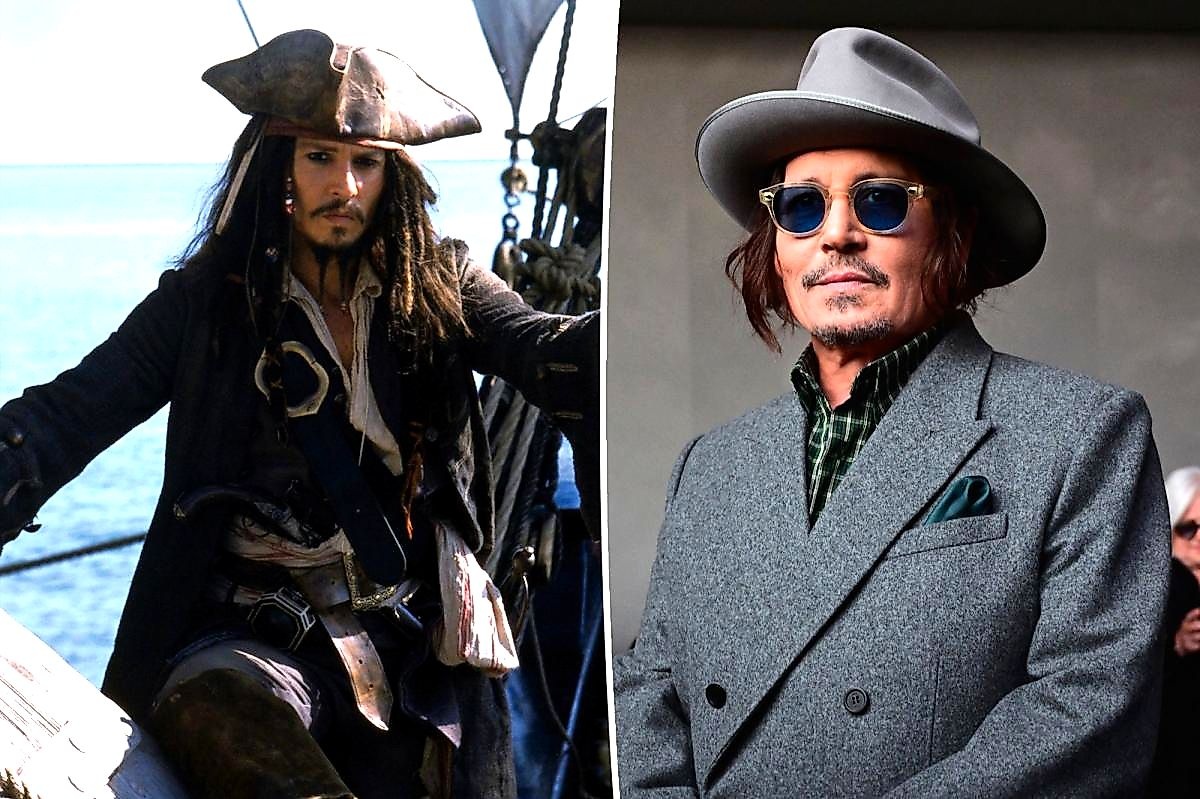
**Johnny Depp’s Jack Sparrow Reboot Sends Disney Execs Into Panic With 2024 Drunken Twist** When the long‑running pirate saga that has raked in more than $4.5 billion worldwide hit a new creative crossroads, the studio’s top brass found themselves scrambling to keep the ship afloat.
The heart of the turmoil lies in Johnny Depp’s audacious vision for the iconic Captain Jack Sparrow, a portrayal that felt, to the executives, like a drunken monologue on a wind‑laden deck.
In a reveal tucked inside Mark Seal’s upcoming biography, “The Many Faces of Johnny Depp,” former producers and Disney officials recount how the star’s transformation of Jack sparked a series of frantic calls, disbelief, and a crisis of confidence at the heart of the company.
Depp, who turned 63 this year, has long been synonymous with the eccentric, swaggering pirate.
Yet this time the actor pushed the boundaries even further, insisting on a look that combined gold‑capped teeth studded with diamonds, a faux‑British accent that slid off the tongue, dreadlocks, scarves, a wobbling gait, and heavy eye makeup. these changes were revealed to Disney’s chairman of the Motion Picture Group, Dick Cook, after set crew members reached out to Depp with a mixture of concern and awe.
“It’s crazy. It’s too much,” they recounted, as they tried to parse a character that seemed to drift farther from the swashbuckling comic relief audiences had adored.
What unfolded in those moments at the set is a snapshot of how a single creative vision can ripple through a corporate hierarchy, igniting speculation about talent, brand integrity, and the limits of artistic freedom.
The following sections dive into the background of the conflict, the reactions that bubbled up in boardrooms and on production lines, and what might come next for a franchise that has become a staple of global pop culture. ## Background & Context The “Pirates of the Caribbean” series, launched in 2003, built its legacy on a mix of supernatural adventure, sharp humor, and Depp’s unflappable portrayal of Jack Sparrow.
The character’s swagger, sly wit, and chaotic charm became a touchstone for fans and a keystone of the franchise’s identity.
Behind the scenes, however, the production was a high‑stakes affair: each film demanded massive budgets, intricate set pieces, and a tight choreography of action sequences that left little room for deviation.
Depp’s evolution as an actor—moving from the quirky, indie‑film roles of the late 1990s to a blockbuster superstar—has always involved a willingness to subvert expectations. Yet the 2024 iteration of Jack Sparrow represented an escalation that many found unprecedented.
The actor’s insistence on adding gold and diamond studs to his teeth and a “slurred faux‑British accent” signaled a departure from the character’s established voice. The decision to layer on dreadlocks and heavy eye makeup further suggested an intention to shift Jack’s cultural positioning.
These changes were not simply cosmetic; they represented a new thematic direction that intersected with broader conversations about representation, sexuality, and identity in Hollywood. The story of Depp’s confrontation with Disney’s leadership unfolds against a backdrop of shifting studio dynamics.
In 2024, Disney was navigating post‑merger integrations, re‑energizing its franchises, and facing an increasingly competitive streaming market. The studio’s emphasis on brand consistency made any radical alteration to a flagship character a high‑profile risk.
The production’s leadership hierarchy—anchored by Dick Cook and CEO Michael Eisner—had to reconcile artistic ambition with commercial imperatives. ## What People Are Saying the initial reaction from the set crew was one of disbelief. Calls were made to Depp, who was described as calmly explaining his vision.
One crew member reportedly asked, “Is he just mentally just… gone?” Another voice—presumably a senior executive—asked whether Depp was “incredibly drunk” or “gay.” The dialogue illustrates the confusion that erupted as a seemingly unhinged performance confronted the studio’s established norms.
Depp’s retort, “I’m sorry, didn’t you know all of my characters are gay?” was noted as a mix of defiance and personal assertion.
The remark tapped into ongoing industry conversations about queer representation, but it also highlighted a disconnect between an actor’s creative autonomy and the studio’s perception of brand alignment.
The phrase “I heard Disney’s chairman and CEO was in a panic, claiming Depp was ‘ruining’ the movie,” underscores the intensity of the situation.
It suggests that even the highest levels of leadership were not insulated from the fear that the film’s market viability might be jeopardized by an unfamiliar portrayal of its star. Despite the panic, Depp communicated that he understood the concerns but refused to alter his approach.
“We’re going to have to subtitle it! Nobody can understand what he’s saying!
What is he doing?” Eisner allegedly said, a statement that epitomizes the tension between a director’s vision and the practicalities of audience comprehension.
The tension between artistic innovation and commercial viability is a recurring theme in Hollywood, and this incident highlights how swiftly it can erupt when a beloved character takes an unexpected turn.
From a broader industry perspective, the episode has prompted speculation about the future of character-driven franchises. Some commentators argue that the incident exemplifies a broader trend of actors pushing back against studio mandates, while others caution that such pushes can undermine long‑term brand equity.
Audience reactions have been mixed; while some fans embraced the edgier, more adult portrayal of Jack Sparrow, others feared that the franchise’s core identity was being diluted. ## What Happens Next The biography indicates that Depp offered the studio an exit clause, stating that they could “fire me and replace me if they wanted to.” This concession illustrates the delicate balance between creative control and corporate oversight.
The next logical step for Disney, given the film’s high production stakes and the franchise’s financial momentum, would be to engage in a dialogue to either compromise on certain aesthetic choices or proceed with a strategic marketing plan that frames the new portrayal as an intentional evolution rather than a radical departure.
Meanwhile, the film’s release schedule remains unchanged, with the fifth installment slated to debut on the big screen in the summer window. Disney’s marketing department will likely craft messaging that highlights the character’s adventurous spirit while subtly addressing the controversy.
The studio may also leverage social media to gauge fan sentiment, using targeted polls and behind‑the‑scenes footage to mitigate backlash.
On the production side, the crew will need to finalize visual and auditory elements that align with the director’s vision while ensuring the final product remains coherent for audiences worldwide.
The inclusion of the “slurred faux‑British accent” and heavy eye makeup will demand careful sound design and post‑production color grading to maintain the film’s signature look. Looking ahead, the franchise’s trajectory will hinge on how well Disney and Depp can reconcile creative ambition with audience expectations.
If the film succeeds, it could signal a new era for character evolution in blockbuster storytelling, demonstrating that beloved icons can be reinvented without losing their core appeal. Conversely, a misstep could force the studio to re‑evaluate the degree of creative freedom granted to leading actors.
In the coming months, industry insiders will watch closely as the fifth “Pirates of the Caribbean” film prepares to set sail. The outcome will either affirm Depp’s daring vision or underscore the necessity of measured risk in blockbuster cinema.
The debate that erupted on the set in 2024 remains the fragile interplay between artistic expression and corporate stewardship in Hollywood’s high‑stakes world.
At a Glance
- Depp’s bold aesthetic choices—gold‑capped teeth, dreadlocks, heavy eye makeup—triggered an executive crisis.
- Disney’s top brass, led by Dick Cook and CEO Michael Eisner, struggled to reconcile artistic freedom with brand consistency.
- The franchise’s 2024 reboot faces a tight production schedule, marketing challenges, and fan backlash amid debates on representation.
Why It Matters
Our Take
GoNews Pulse Editorial Team
This article was prepared for publication by GoNews Pulse and checked for publication requirements under our editorial standards. We review available information and correct material errors when they are identified.
Quick Answers
- What is the latest update on this story?
- The actor’s “I’m sorry, didn’t you know all my characters are gay?” comment sparked Disney’s panic over his slurred accent and gold‑capped teeth.
- Who is this story about?
- This article covers developments related to Johnny Depp’s gold‑capped teeth spark Disney panic behind 2024 film. GoNews Pulse's editorial team monitors the story and updates the article as new verified information becomes available.
- Where can I read more about celebrity news?
- GoNews Pulse publishes original reporting on celebrity news and related entertainment news. Visit the homepage or browse the section dedicated to this story for the latest coverage.
More From This Section

Mila Kunis reveals she and Kutcher kissed the same two actresses
During a Kelly Ripa podcast, Kunis said, 'They kissed me and I kissed them,' adding she kissed them in 2010 Black Swan, sparking wild speculation.
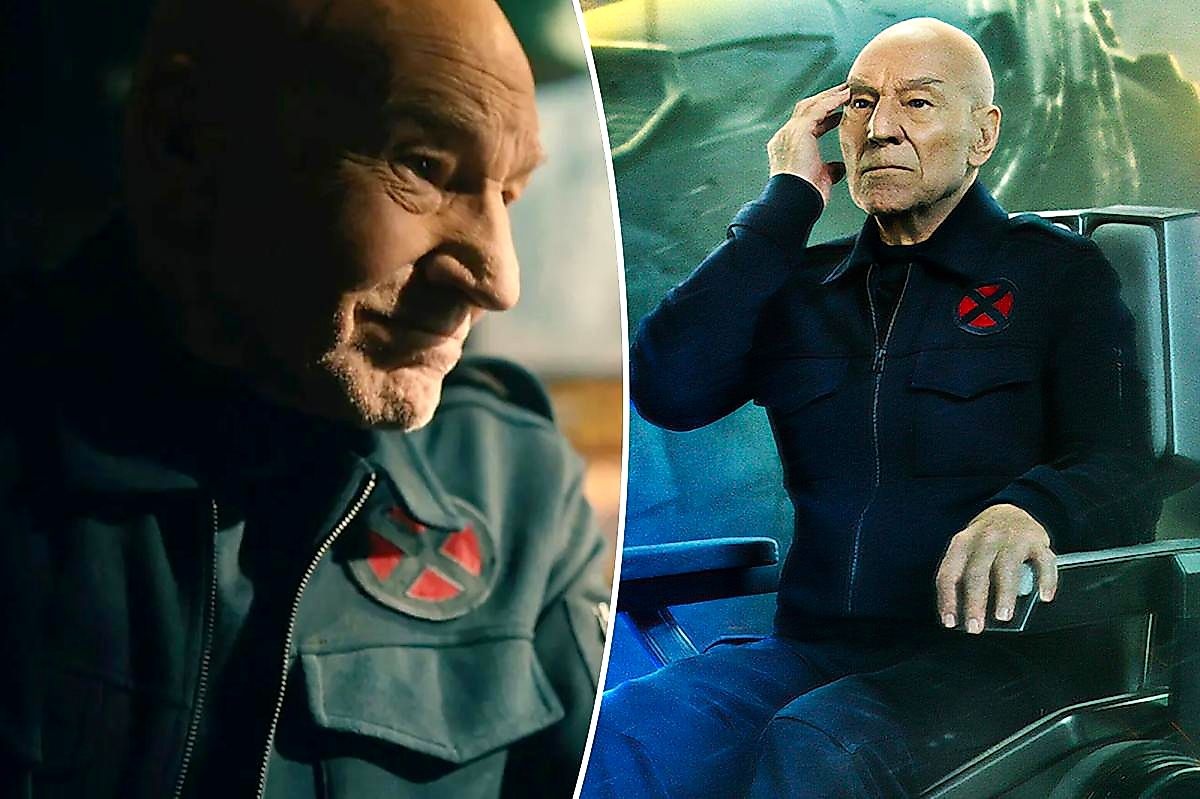
Patrick Stewart's final set scene in 2026 tears fans as he delivers farewell
Patrick Stewart whispers 'thank you' to the crew in a tearful speech, hinting this may be his final film set appearance and the studio audience gasps.
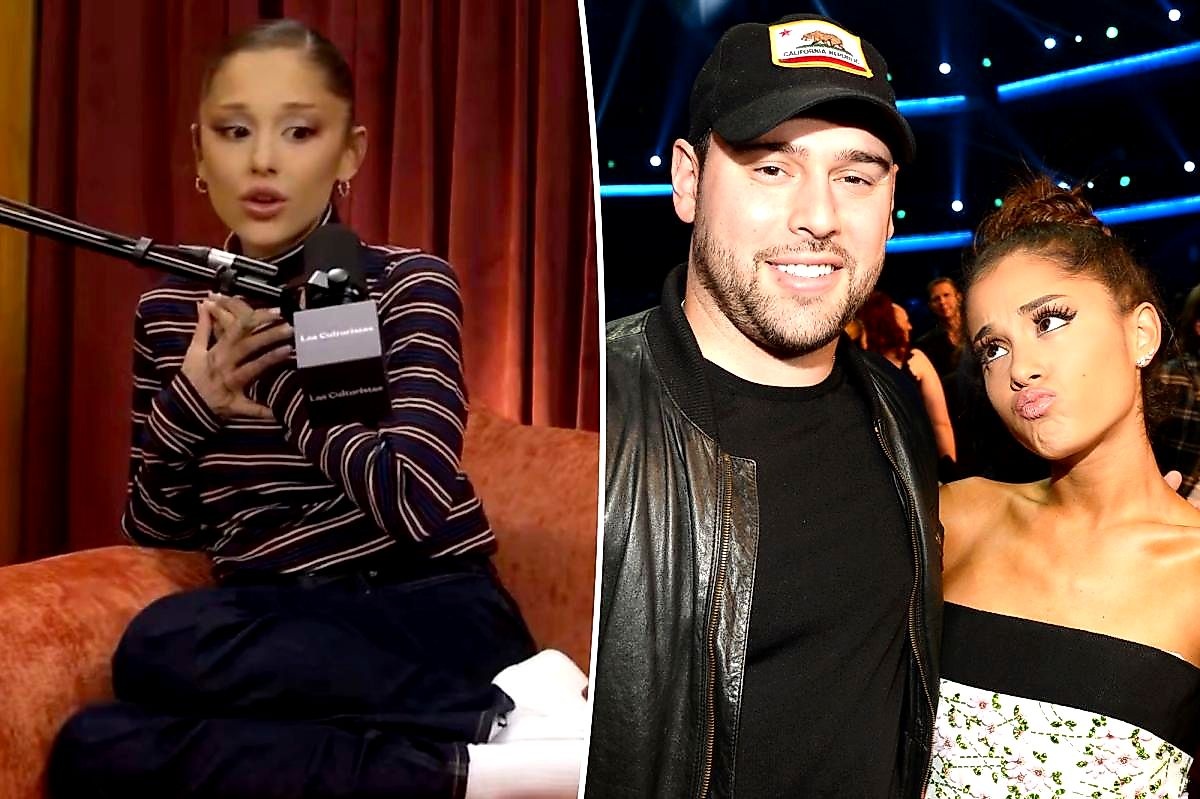
Ariana Grande's 33-Year-Old Shuts Down 10-Year Management Feeling Unsafe
She said, 'When you have safety around you, your body knows,' after cutting ties with her manager, sparking debate on artist safety and freedom.