
John Hinckley Jr. Finally Wishes Jodie Foster Luck—45 Years Later
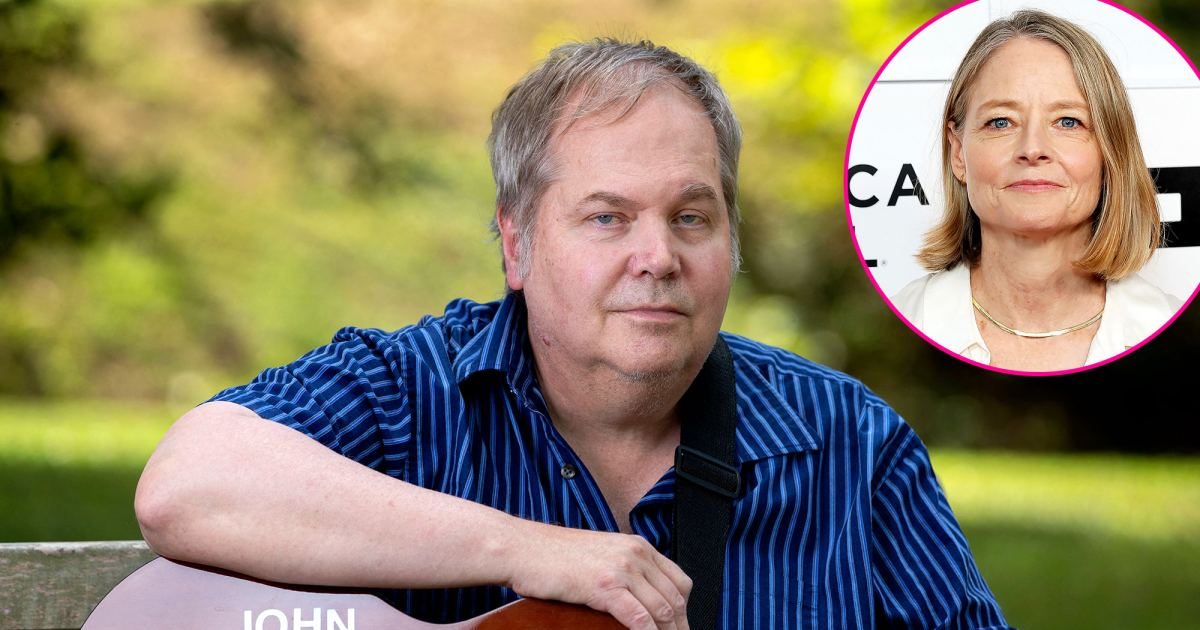
He told a podcast host that he only wishes the actress good fortune, even though he never watches her movies. The 71‑year‑old former convicted assassin, who shot President Ronald Reagan in 1981, made the comment on the *Mark Joseph Show* aired August 12.
The remark came as he reflects on the long‑ago attempt to impress the very actress who inspired him.
During the interview, Hinckley said, “I just wish Jodie Foster well, you know.
I don’t really see her movies, but I wish her well, and I know she’s doing quite well.” He added that “that’s all I can say is just, I wish Jodie well, and I hope she has a good life.” These words arrive 45 years after the shooting that left Reagan with a bullet wound beneath his arm.
Hinckley was 25 when he fired three shots outside the Hilton Hotel in Washington, D.C., in March 1981. One bullet ricocheted off Reagan’s limousine and struck the former president under his arm. Reagan survived the attack and died in 2004 at age 93.
The assault was motivated by Hinckley’s obsession with Jodie Foster, whom he first encountered on screen in *Taxi Driver*. He believed that killing the president would earn her attention, a belief that later led to a verdict of not guilty by reason of insanity in 1982.
He spent more than thirty years in a psychiatric facility before being released in 2022.
When asked what outcome he desired when he was twenty‑five, Hinckley replied that he wanted “a union with Jodie Foster.” He described his delusion, saying, “I thought she would, you know, after things settled down, join me wherever I was.” He admitted uncertainty about whether he would end up in jail or a hospital after the incident.
## The Ripple of a Single Act
Foster has rarely spoken about the event that connects her to Hinckley. In a June 2024 interview, she said the shooting may have kept her from returning to live theater. She explained, “I’m finally able to admit that the one bit of theater I did when I was in college… there was so much trauma involved in it.”
Foster recalled that the play ran over two weekends, with the first weekend preceding Hinckley’s attack and the second following it. She described a chaotic environment: “There were Secret Service people everywhere.
I had bodyguards, and I had to be taken to a safe house.” The incident left her in the midst of both rehearsals and heightened security.
## Fan Reactions
When Hinckley’s well‑wishes were posted on social media, the response was mixed. Some commenters praised his humility, noting that “after all these years, he’s finally choosing to wish someone good.” Others were skeptical, questioning whether a public statement could be taken at face value given his history.
A group of long‑time fans of Foster took to a forum to discuss how the actress’s career had been shaped by the attack, with many expressing empathy for both Hinckley’s mental health struggle and Foster’s personal loss.
## Industry Impact
Hollywood has often grappled with the portrayal of real‑life violence and its influence on public perception. The 1981 incident prompted a reevaluation of security protocols around high‑profile actors, leading to the now‑standard practice of coordinating closely with law‑enforcement agencies during press tours and public appearances.
Foster’s decision to step away from theater also reflected a broader trend in the industry: performers increasingly prioritizing mental health over traditional career milestones.
Her experience has been cited in academic discussions on the intersection of trauma and artistry, with scholars arguing that her withdrawal from live performance helped protect her psychological well‑being.
In the years since the attack, Hollywood has produced a number of films and documentaries that examine the societal forces behind violent acts. While none directly focus on Hinckley’s story, many draw parallels to his case when exploring themes of mental illness, celebrity obsession, and the need for comprehensive support systems.
## A Quiet Reflection
For now, Hinckley’s only public sentiment toward Jodie Foster is an apology for past actions and a wish for her well‑being. The actress remains largely silent on the matter, keeping her personal reflections private.
The story ends with a quiet reminder that historical events can echo across time, affecting lives in unexpected ways.
As both men move forward—Hinckley in the community after decades of confinement and Foster continuing her craft with renewed confidence—their shared moment serves as the enduring power of human connection, even when it emerges from the darkest corners of history.
Why It Matters
Our Take
GoNews Pulse Editorial Team
This article was prepared for publication by GoNews Pulse and checked for publication requirements under our editorial standards. We review available information and correct material errors when they are identified.
Quick Answers
- What is the latest update on this story?
- He confesses his regrets on a podcast, offering Jodie Foster a wish that will shock you—why a former assassin now extends good fortune.
- Who is this story about?
- This article covers developments related to John Hinckley Jr. Finally Wishes Jodie Foster Luck—45 Years Later. GoNews Pulse's editorial team monitors the story and updates the article as new verified information becomes available.
- Where can I read more about John Hinckley Jr.?
- GoNews Pulse publishes original reporting on John Hinckley Jr. and related entertainment news. Visit the homepage or browse the section dedicated to this story for the latest coverage.
Related topics
- #John Hinckley Jr.
- #Jodie Foster
- #Reagan shooting
More From This Section

Jon Gosselin's 22‑Year‑Old Son Exposes Abuse, Father Shouts Support
Jon Gosselin declares that his son’s 22‑year‑old memoir exposes alleged institutionalization and a hidden ‘small holding’ cell, sparking a national debate.

Mike Colter's Valley Firm AGI Bo Revealed at 2:00 a.m. Shocks Fans
Rob McClure's portrayal of Bo forces the firm to confront a real‑world AGI asking for legal guardrails, sparking a tense ethical debate.

Meredith Grey's bed proposal to Nick on surgery table stuns fans
Meredith Grey slipped a ring into Nick's hand while he lay on the operating table, a move that stunned fans amid the bridge collapse.