
John Hinckley Jr. Angrily Demands Venues Honor His Gigs, Not His Past
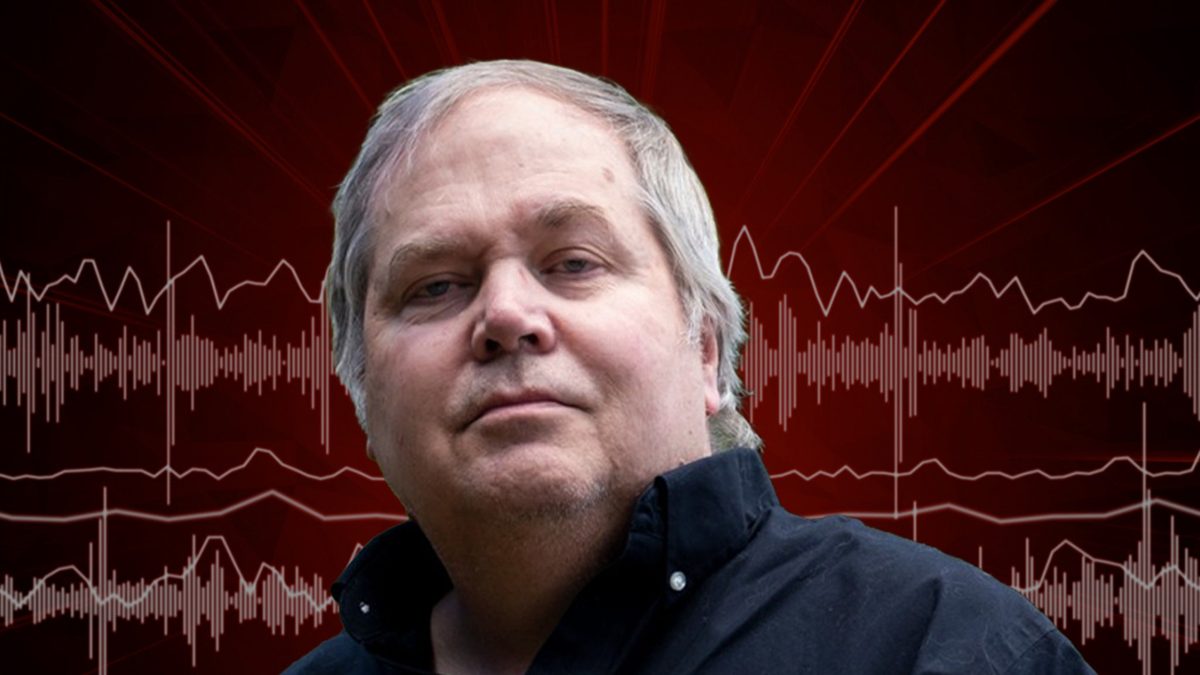
John Hinckley Jr., the individual who shot former President Ronald Reagan in 1981, revealed that his attempts to perform onstage are consistently thwarted by event organizers.
In an interview with Lola Pepper on Episode 2 of “The John Hinckley Podcast,” he described a pattern in which venues begin selling tickets—often to a sold‑out crowd—only to cancel the performance before it begins.
He attributes these cancellations to “who I am,” noting that the phenomenon has occurred roughly ten to fifteen times. The repeated experience has left him feeling blacklisted within the live‑music community, .
## Background & Context
Hinckley’s public persona is largely defined by his 1981 shooting of President Ronald Reagan, an act that led to a high‑profile criminal trial and subsequent commitment to a psychiatric facility. After his release, he has pursued music, attempting to establish himself as a performer.
In addition to live shows, he launched an interview‑based podcast that invites guests to discuss their lives. He has already expressed interest in inviting actress Jodie Foster—a figure he says is “sexually attracted to other women”—as a dream guest for the program.
The pattern of venue cancellations has become a recurring obstacle for Hinckley. He reports that clubs and music venues frequently back out of bookings after initially announcing or selling tickets, . This cycle has repeated multiple times, .
## The Shooting and Its Aftermath
The 1981 incident left Hinckley in the public eye for a decade. His trial attracted international attention, and the subsequent psychiatric commitment highlighted debates over mental health and criminal responsibility.
Over time, the narrative around Hinckley shifted from that of a dangerous assailant to a figure trapped in his own legal limbo, with many arguing that he had been denied meaningful rehabilitation.
## Music Career Beginnings
Before his release from psychiatric care, Hinckley spent years studying music theory and performance. He played guitar and sang in small, local venues, earning modest praise from a handful of fans. After re‑entering society, he began booking larger gigs, hoping to build a following.
The first few performances received warm reviews, but venue owners later cited “public safety concerns” as the reason for withdrawing his bookings.
## Podcast Endeavors
In 2021, Hinckley launched “The John Hinckley Podcast,” positioning it as a platform for candid conversations with a range of personalities. Episodes have included discussions with musicians, psychologists, and legal experts.
His self‑described dream guest—Jodie Foster—reflects both his fascination with Hollywood and his desire to confront the stigma that has followed him.
## Venue Cancellations: Pattern and Perspective
Hinckley says the cancellations feel systematic: venues announce dates, sell tickets, then pull the plug days or weeks before the show. He claims that many club owners are hesitant to risk a backlash from patrons who might be uncomfortable with his presence.
The pattern has forced him to seek alternative avenues such as streaming platforms and small‑audience benefit concerts.
## Fan Reaction and Public Opinion
While a minority of fans champion Hinckley’s right to perform, the majority remain wary. Social media discussions often echo the same concerns: “Is it safe?” or “I can’t watch this.” Yet a handful of supporters have rallied around him, arguing that his creative pursuits deserve a chance outside the shadow of his past.
These voices have organized petition drives and social media campaigns to encourage venues to reconsider their stance.
## Industry Impact and Legal Considerations
The recurring cancellations raise questions about the intersection of public safety, freedom of expression, and venue liability. Some legal scholars argue that venues may be protected from lawsuits by refusing to host a performer whose presence could incite violent or discriminatory responses.
Others warn that blanket bans could amount to unlawful discrimination.
In the broader music industry, Hinckley’s case highlights how reputational risks can impede an artist’s career trajectory, especially when the individual’s history is tied to a highly publicized event. The situation has prompted industry insiders to revisit policies around performer vetting and crisis communication.
Whether venues will reconsider or whether Hinckley will pivot toward alternative platforms remains uncertain at this time, but the conversation has undeniably opened new avenues for discussing mental health, rehabilitation, and the right to artistic expression in the age of social media.
Why It Matters
Our Take
GoNews Pulse Editorial Team
This article was prepared for publication by GoNews Pulse and checked for publication requirements under our editorial standards. We review available information and correct material errors when they are identified.
Quick Answers
- What is the latest update on this story?
- He blames venues for canceling his shows after tickets sell, but insiders hint a deeper reason behind the cancellations.
- Who is this story about?
- This article covers developments related to John Hinckley Jr. Angrily Demands Venues Honor His Gigs, Not His Past. GoNews Pulse's editorial team monitors the story and updates the article as new verified information becomes available.
- Where can I read more about John Hinckley Jr.?
- GoNews Pulse publishes original reporting on John Hinckley Jr. and related entertainment news. Visit the homepage or browse the section dedicated to this story for the latest coverage.
Related topics
- #John Hinckley Jr.
- #Ronald Reagan shooting
- #venue liability
More From This Section

Jon Gosselin's 22‑Year‑Old Son Exposes Abuse, Father Shouts Support
Jon Gosselin declares that his son’s 22‑year‑old memoir exposes alleged institutionalization and a hidden ‘small holding’ cell, sparking a national debate.

Mike Colter's Valley Firm AGI Bo Revealed at 2:00 a.m. Shocks Fans
Rob McClure's portrayal of Bo forces the firm to confront a real‑world AGI asking for legal guardrails, sparking a tense ethical debate.

Meredith Grey's bed proposal to Nick on surgery table stuns fans
Meredith Grey slipped a ring into Nick's hand while he lay on the operating table, a move that stunned fans amid the bridge collapse.