
John Galliano Walks Away From Met Gala After Shocking Antisemitic Fallout
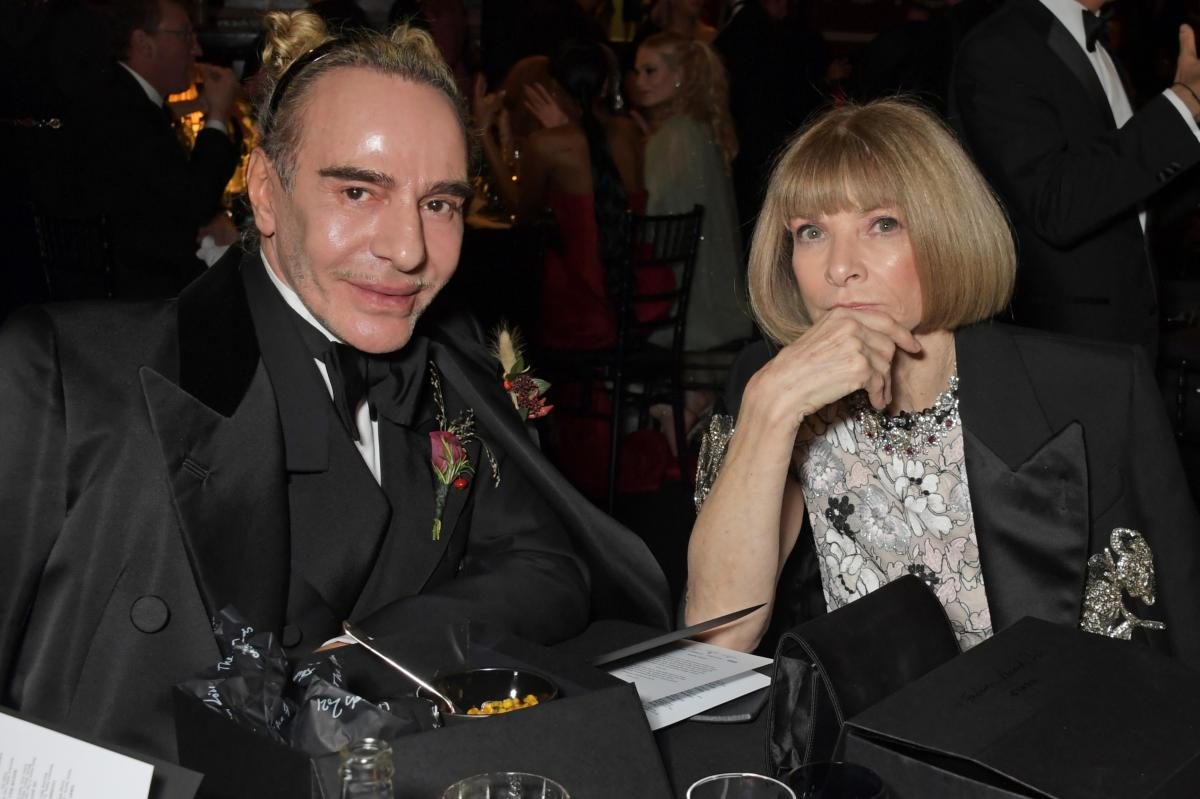
On Monday, John Galliano posted on Instagram that he would cancel the 2027 Met Gala exhibition originally scheduled for the first Monday in May. The designer wrote that after “much reflection and discussion with all those involved” he had decided it was best for the show not to take place at this time.
He added that he did not want the debate surrounding him to distract the Costume Institute’s remarkable work or place the Met in a difficult position.
Galliano’s exhibition, titled “John Galliano: Horizons,” was slated to open on May 1, 2027, a date that coincides with Yom HaShoah, Israel’s Holocaust Remembrance Day. The overlap intensified concerns that showcasing his work on such a solemn observance could be perceived as insensitive.
Critics argued that the event’s timing amplified the controversy surrounding Galliano’s past remarks.
In his statement, Galliano said he remains fully accountable for the hurt caused by his antisemitic and racist remarks toward Jewish and Asian communities, expressing deep remorse.
He stressed that meaningful atonement cannot be achieved through a single public gesture or institutional recognition; it requires ongoing listening, learning, and conduct over time. Galliano concluded that his decision was motivated by a desire to respect those who might find the exhibition painful.
## Background & Context
John Galliano first gained international attention in the late 1990s as head designer for Givenchy, where his avant‑garde collections earned him a Michelin Star of fashion acclaim. In 2001 he moved to Christian Dior, becoming the brand’s creative director and pushing the house toward a more edgy aesthetic.
After leaving Dior in 2007, Galliano launched his eponymous label in 2005, producing theatrical shows that blended historical references with contemporary subversion.
In March 2011, a video surfaced showing Galliano seated in a Paris café, where he made antisemitic remarks such as and threatened to “burn Jews to death.” The clip quickly spread online, prompting fashion editors to call for his removal from upcoming shows.
Galliano later acknowledged the offense, publicly apologized, and entered a period of addiction treatment that lasted several years.
The Met Gala, officially the Costume Institute Fundraiser, was founded in 1945 by philanthropist William R. Simmons and has since become the pinnacle event where fashion meets philanthropy. Curated by Anna Wintour since 1995, the gala transforms the museum’s storied halls into a runway for one‑off costumes that embody each year's theme.
The 2027 edition had been slated to honor Galliano, who was selected for his influence on contemporary couture and his controversial yet high‑profile career.
Met trustees and board members reportedly scrambled to manage the fallout, as key donors expressed concerns that the exhibition could damage the museum’s reputation and jeopardize future sponsorships.
Some donors threatened to withdraw planned gifts if the show proceeded, prompting trustees to explore damage‑control options such as rescheduling or shifting the gala’s focus. Anna Wintour publicly praised Galliano’s decision, describing it as a courageous move and affirming full support for both the designer and the museum.
## What People Are Saying
Galliano’s Instagram post emphasized personal accountability, stating that he remains deeply sorry for the hurt his words caused to Jewish and Asian communities. He acknowledged that atonement requires ongoing listening, learning, and conduct over time, rather than a single public gesture.
The post was framed as an attempt to honor the pain experienced by those communities while recognizing the limitations of symbolic acts.
Wintour said Galliano’s choice to cancel the exhibition demonstrated “the right decision” and that both parties had her full backing.
She added that the museum would announce a new exhibition plan at a later date, emphasizing that the Costume Institute remains committed to showcasing influential designers while navigating public sentiment. Her comments were delivered during a press briefing at the museum’s headquarters.
Some donors reportedly threatened to pull gifts, prompting trustees to consider damage‑control options such as rescheduling or altering the event’s focus. The broader industry has noted that public backlash can quickly shift sponsorship dynamics, especially when controversies intersect with sensitive cultural observances.
Industry analysts warn that future gala honorees may face stricter vetting procedures to mitigate reputational risks.
## What Happens Next
With the exhibition canceled, the Met will not feature Galliano’s work at the 2027 gala, leaving the event without a designated honoree. The Costume Institute has indicated that a new exhibition concept will be presented at a later date, though no specific timeline has been released.
The museum has also stated that details of future exhibitions will be announced once internal deliberations conclude.
Donors who feared the controversy may reassess their commitments, while the museum’s trustees evaluate whether to shift the gala date to avoid overlapping with Yom HaShoah. Should a new honoree be named, the gala’s theme would likely pivot to reflect contemporary cultural dialogues rather than Galliano’s legacy.
The postponement also raises logistical questions regarding venue bookings and artist contracts that were already in place for the original schedule.
Fashion insiders view the decision as a reminder that legacy brands face increased scrutiny when past remarks conflict with evolving societal norms. Future Met Gala honorees will likely undergo heightened vetting to mitigate reputational risks, especially during periods of heightened public sensitivity.
The incident also underscores the importance of proactive crisis management for institutions whose flagship events are heavily intertwined with cultural discourse.
Industry analysts predict that future gala honorees will need to demonstrate proactive engagement with communities affected by past controversies. They suggest that museums should incorporate transparent review panels and public consultations before finalizing an honoree, ensuring alignment with contemporary ethical standards.
This shift mirrors similar changes in the entertainment sector, where artists previously celebrated for their creative output are now scrutinized for their personal histories.
The cancellation marks a pivot in how the museum navigates legacy, controversy, and public memory, signaling a broader industry trend toward accountability. This move reflects a broader industry shift toward accountability, where legacy and profit are balanced against social responsibility.
Why It Matters
Our Take
GoNews Pulse Editorial Team
This article was prepared for publication by GoNews Pulse and checked for publication requirements under our editorial standards. We review available information and correct material errors when they are identified.
Quick Answers
- What is the latest update on this story?
- Galliano’s abrupt exit shocks the fashion world, citing Yom HaShoah sensitivity amid a backlash that’s turning heads.
- Who is this story about?
- This article covers developments related to John Galliano Walks Away From Met Gala After Shocking Antisemitic Fallout. GoNews Pulse's editorial team monitors the story and updates the article as new verified information becomes available.
- Where can I read more about John Galliano?
- GoNews Pulse publishes original reporting on John Galliano and related entertainment news. Visit the homepage or browse the section dedicated to this story for the latest coverage.
Related topics
- #John Galliano
- #Met Gala 2027
- #Yom HaShoah
- #Anna Wintour
More From This Section
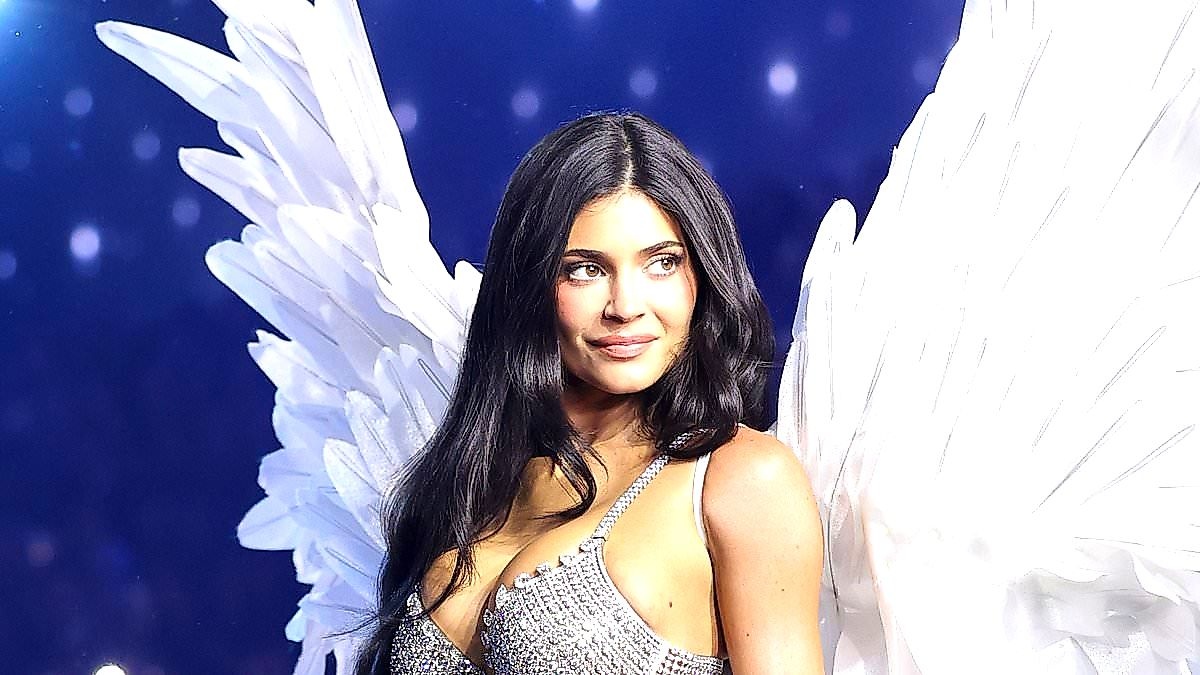
Kylie Jenner's $50 million Fantasy Bra Shocks Fashion World
Kylie Jenner, 29, dazzled the crowd with a $50 million Fantasy Bra studded with a $22 million yellow diamond and 4,400 smaller gems, turning the runway into a glittering spectacle.

Billie Piper's 44-Year-Old Furry Strapless Dress Dazzles at Dinner
Her striking purple eyeliner and oversized black hat turned heads, while a glittering faux‑fur dress left photographers scrambling for perfect shots.

Lisa Barlow's 60‑minute lip‑liner marathon shocks fans
She revealed the pink‑brown lip liner she re‑applies every hour keeps her lips flawless all day, while she promotes Vita Coco’s coconut‑water desserts.