
John Doe's 20‑year lawsuit against Cornell dismissed by NY Supreme Court
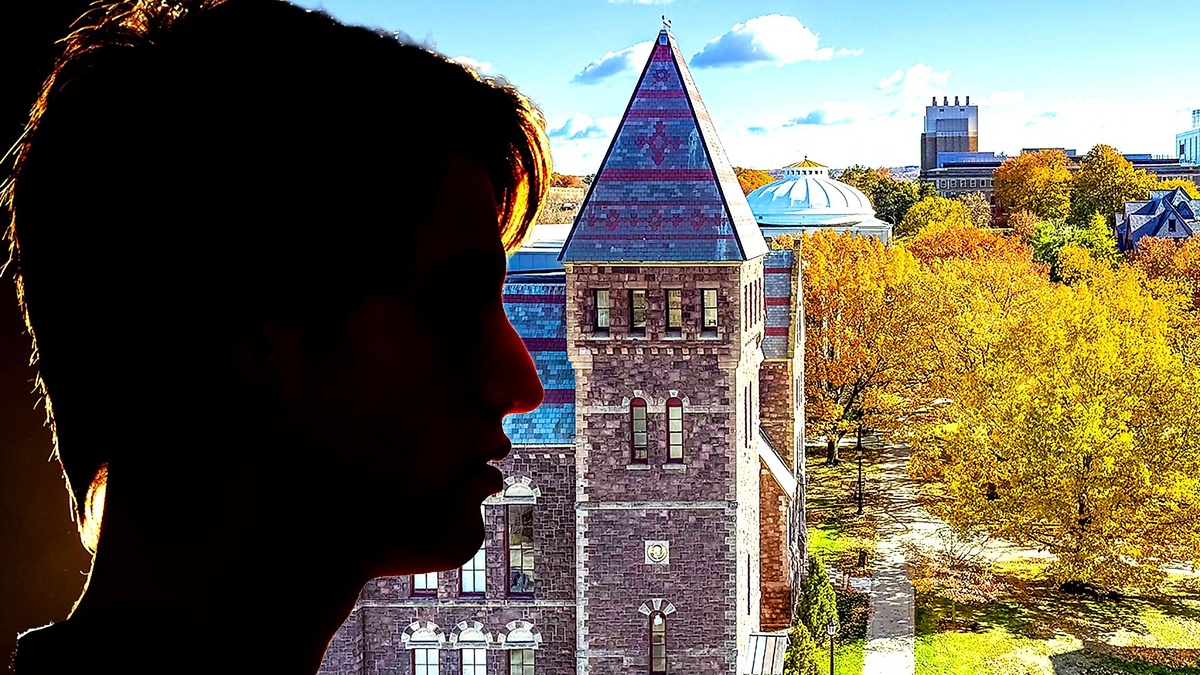
# **John Doe Loses Legal Battle After Cornell Verdict Stuns Campus** The campus of Cornell University, long celebrated for its academic rigor, has once again found itself under a microscope as a legal verdict reverberated across the Ivy League.
In late September, a New York Supreme Court judge ruled that the university’s disciplinary decision regarding an alleged sexual assault at the Chi Phi fraternity house was lawful, extinguishing the lawsuit of a former member of the house.
The decision, arriving two years after the October 2024 incident, has reignited debates over how institutions balance due process, victims’ rights, and the reputational stakes tied to student conduct. The case began when John Doe, a former fraternity brother, filed a civil suit in March 2026.
He contended that Cornell’s investigation into the alleged rape had been biased and that the university had deprived him of a fair hearing. Doe’s allegations were not new; the campus had already confronted the controversy when a Snapchat message that read “Free P***y” circulated among the fraternity’s members.
That message prompted a group of brothers, including Doe, to head to a room at the Chi Phi house where the victim, known only as Jane Doe, had been found.
Though the brothers claimed the trip was merely to retrieve a vape, the university’s disciplinary panel ultimately branded it an act of “attempted sexual exploitation.” The legal fight unfolded against a backdrop of heightened scrutiny over campus sexual assault protocols.
Universities across the nation have been pressured to act swiftly and decisively, yet they also must safeguard due process for the accused.
Cornell’s ruling, now binding, may serve as a benchmark for how academic institutions can withstand civil challenges while navigating the intricate legal terrain of student conduct. ## Background & Context The alleged incident took place on October 19, 2024, amid a late‑night gathering at the Chi Phi fraternity house.
Jane Doe reported being sexually assaulted in a private room, while John Doe and another brother—whose name has not surfaced publicly—took the “Free P***y” message as a prompt to enter the space.
The text message, sent, was interpreted by the brothers as an invitation to engage in sexual activity, prompting them to act on the suggestion. Yet, in a statement submitted to the disciplinary hearing, Doe maintained that his intent was merely to retrieve a vape, and that he was not seeking sexual encounters.
He asserted that the room’s occupants appeared “fine,” implying no obvious sexual activity at the time of their arrival. Cornell’s disciplinary panel convened a hearing to evaluate the allegations.
While the panel found Doe guilty of “attempted sexual exploitation,” it cleared him of the more severe charge of sexual assault. The decision rested on the premise that the brothers’ presence, spurred by the Snapchat message, constituted a predatory act even if no sexual contact occurred.
In contrast, Jane Doe testified that the men were “voyeurs” and that she did not recall seeing her naked or experiencing the alleged assault. She further contended that the brothers’ presence mirrored that of the actual assaulters, casting doubt on the panel’s differential treatment of Doe.
The university’s resolution included a no‑contact order between Doe and Jane Doe, mandatory education on social media and sexual harassment, and a reflective essay from the accused. In addition, Doe’s legal counsel lodged an appeal, alleging procedural impropriety.
One of the most contentious claims was that a panel member was “otherwise distracted while a witness” was testifying, .
Cornell refuted these allegations, emphasizing that the panel had upheld all procedural safeguards. ## What People Are Saying Students and alumni across campus have taken polarized positions on the outcome.
Some applaud Cornell’s stance, viewing the ruling as a validation of the university’s commitment to student safety and a deterrent against future misconduct.
They point to the broader cultural shift demanding accountability for those who engage in or facilitate sexual exploitation, even if the legal definition falls short of assault.
“The university did the right thing by ensuring that the brothers were held to a higher standard,” remarked a member of the Chi Phi alumni association, who chose to remain anonymous.
The sentiment reflects a growing belief that educational institutions must prioritize creating a safe environment, even at the cost of scrutinizing the accused’s procedural experience.
Conversely, a vocal segment of the student body has expressed concern over the potential chilling effect on free speech and due process.
“If the university can prosecute a student for merely being in the right place at the right time, we’re setting a dangerous precedent,” argued a student representative who declined to identify.
These critics argue that the legal ruling may erode the rights of students to defend themselves against allegations and that the focus should be on transparent, impartial investigations rather than punitive measures that may not align with the evidence.
Outside the campus, the legal community has watched the case with interest. Scholars specializing in higher education law see it as a test case for the intersection of university policy and civil litigation.
They note that the court’s decision reaffirmed the university’s disciplinary process as having been properly conducted, underscoring that universities, while exercising authority over student conduct, must ensure that disciplinary processes are rigorous, fair, and transparent to withstand judicial scrutiny. ## What Happens Next With the court’s decision affirming Cornell’s disciplinary measures, John Doe’s legal options have narrowed.
The dismissal of his suit effectively extinguishes any civil claim against the university for alleged procedural misconduct.
While he may still pursue internal appeals or appeal to higher courts, the precedent set by the New York Supreme Court suggests that further success is unlikely unless new evidence surfaces or procedural lapses are proven with greater clarity.
The university, meanwhile, will likely use the ruling to reinforce its policy framework. An anticipated move is to tighten the procedures surrounding social media communications and their potential impact on disciplinary actions.
Cornell may also increase outreach to both students and faculty, emphasizing the importance of recognizing and reporting sexual misconduct while providing clearer guidelines on how to handle ambiguous situations, such as the “free P***y” message scenario.
For the broader Ivy League, the case underscores the delicate balance between safeguarding campus safety and preserving individual rights. Institutions may revisit their disciplinary panels, ensuring that all members are fully engaged and that hearing sessions remain focused and unimpeded.
Legal scholars suggest that universities might adopt independent oversight bodies to review disciplinary proceedings, thereby bolstering credibility and reducing the likelihood of future lawsuits.
As the academic year progresses, all eyes will be on how Cornell implements the court’s directives and whether its disciplinary framework will stand the test of time.
The university’s next steps could set a new standard for higher education institutions wrestling with the complex realities of campus safety, due process, and the evolving legal landscape surrounding sexual misconduct.
At a Glance
- Cornell’s panel upheld a ‘predatory’ decision after a Snapchat ‘Free P***y’ message triggered a visit.
- New York Supreme Court declared the university’s procedures lawful, dismissing John Doe’s civil suit.
- The verdict ignites campus debate on safety, due process, and the weight of social‑media evidence.
Why It Matters
Our Take
GoNews Pulse Editorial Team
This article was prepared for publication by GoNews Pulse and checked for publication requirements under our editorial standards. We review available information and correct material errors when they are identified.
Quick Answers
- What is the latest update on this story?
- The court ruled that Cornell’s disciplinary panel acted within policy, saying the alleged ‘Free P***y’ message spurred a predatory visit.
- Who is this story about?
- This article covers developments related to John Doe's 20‑year lawsuit against Cornell dismissed by NY Supreme Court. GoNews Pulse's editorial team monitors the story and updates the article as new verified information becomes available.
- Where can I read more about celebrity news?
- GoNews Pulse publishes original reporting on celebrity news and related entertainment news. Visit the homepage or browse the section dedicated to this story for the latest coverage.
More From This Section

Jon Gosselin's 22‑Year‑Old Son Exposes Abuse, Father Shouts Support
Jon Gosselin declares that his son’s 22‑year‑old memoir exposes alleged institutionalization and a hidden ‘small holding’ cell, sparking a national debate.

Mike Colter's Valley Firm AGI Bo Revealed at 2:00 a.m. Shocks Fans
Rob McClure's portrayal of Bo forces the firm to confront a real‑world AGI asking for legal guardrails, sparking a tense ethical debate.

Meredith Grey's bed proposal to Nick on surgery table stuns fans
Meredith Grey slipped a ring into Nick's hand while he lay on the operating table, a move that stunned fans amid the bridge collapse.