
John Cusack backs Ruffalo after Skydance backlash sparks controversy
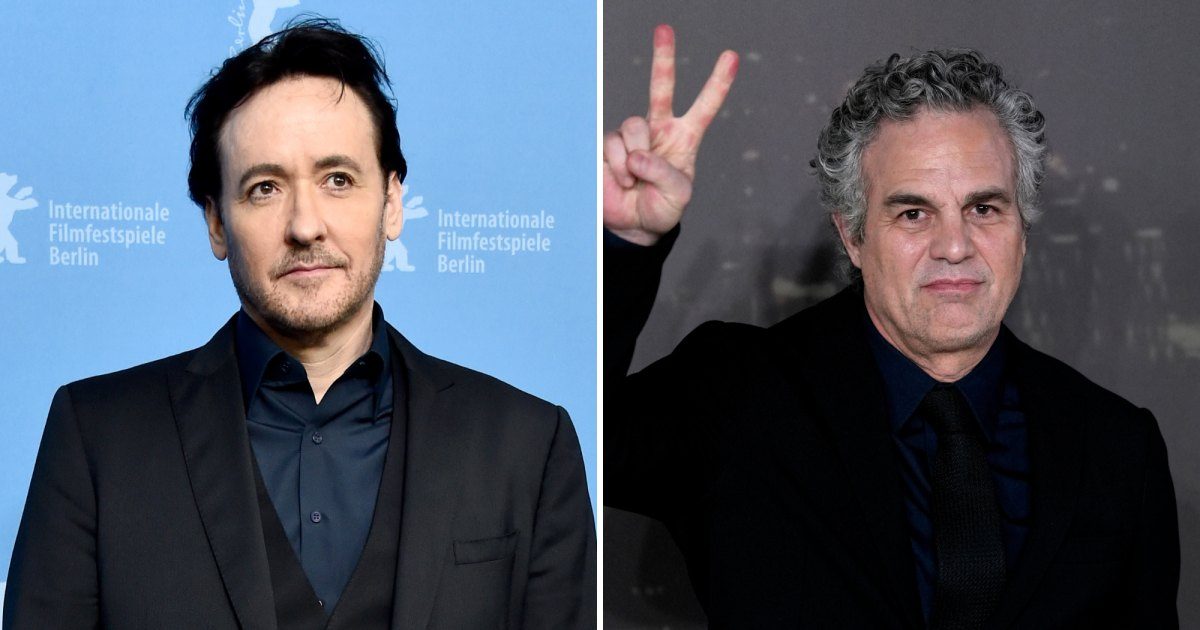
John Cusack took to X on Saturday, August 22 to publicly back fellow actor Mark Ruffalo after the latter faced accusations of antisemitism. The post quoted Ruffalo’s earlier message, in which he rejected the claim and clarified that his criticism of Israeli policy and corporate ties was not an attack on Jewish people.
Cusack’s brief statement read, “Solidarity—well said,” echoing Ruffalo’s sentiment.
The controversy centers on Ruffalo’s opposition to Paramount Skydance’s proposed $111 billion acquisition of Warner Bros. and his criticism of Oracle executive Safra Catz for discussing Israel‑linked technologies.
Paramount Skydance, co‑owned by Oracle founder Larry Ellison’s son David, has defended the deal as a standard business transaction. In response, Paramount issued a statement labeling Ruffalo’s comments as “antisemitic” and called for restraint in the public debate.
## Background & Context
The merger, announced in February, would combine Warner Bros., HBO and other properties under the umbrella of a company with significant ties to the U.S. government and Israeli defense contracts. Ruffalo has long opposed the Gaza war and has warned that the deal could threaten editorial independence and national security.
He also highlighted concerns about Oracle’s data‑collection businesses and their potential influence on media content.
In August, Safra Catz, Oracle’s executive vice chair, publicly described certain technologies developed by the company as “profoundly scary” for use in Israeli strikes. Ruffalo criticized her remarks, arguing that they linked business interests to military actions in a way that could be misinterpreted as anti‑Jewish sentiment.
The backlash culminated in Paramount labeling the criticism antisemitic and urging all parties to focus on legal and regulatory aspects of the merger.
The situation has drawn attention from lawmakers on both sides of the aisle, with several calling for a national security review of the transaction. Officials have stated that any merger of this magnitude must undergo rigorous scrutiny, yet no definitive regulatory decision has been announced.
Public opinion remains divided, with some viewing the debate as a legitimate business disagreement and others interpreting it as a broader political clash.
## What the Actors Are Saying
Mark Ruffalo’s X post began, “The accusation that I am antisemitic is appalling and fundamentally dishonest.” He reiterated that his criticism of Israeli policy was rooted in his political convictions and not in hostility toward Jewish people.
Ruffalo added that he has “deep love and respect” for Jewish friends, colleagues, and loved ones throughout his career.
John Cusack echoed Ruffalo’s stance with a concise tweet: “Solidarity—well said.” Cusack did not elaborate further but signaled his support for Ruffalo’s right to speak freely on political matters. His brief message was met with praise from some fans who view the actors as allies in defending free expression.
Neither actor has issued a public apology or clarification regarding the accusations. Both maintain that their statements were aimed at policy and corporate governance rather than ethnic or religious groups. The actors have not indicated whether they will engage in further dialogue with Paramount or other stakeholders.
## Industry and Public Response
Paramount’s spokesperson urged “less rhetoric, more understanding” in the context of a business dispute. The statement condemned the use of terms such as “genocide” and “apartheid” in corporate discussions as inappropriate. It also emphasized that prejudice of any kind would not be tolerated by the company.
Ruffalo’s response highlighted potential consequences for employees and media outlets if the merger proceeds. He argued that a concentration of media ownership under one family could threaten editorial freedom and lead to job losses.
His message also raised concerns about foreign money influencing content decisions without public transparency.
The debate has sparked a broader conversation about media consolidation, corporate influence on politics, and the role of public figures in policy discussions. Some commentators have noted that the tension reflects larger anxieties about the intersection of entertainment, business, and geopolitical interests.
Others stress that the legal merits of the merger remain unresolved and should be judged on those grounds alone.
## What Happens Next
Regulators have yet to give a definitive ruling on the Paramount Skydance deal. Lawmakers have called for an in‑depth review of the transaction’s national security implications. Both parties are reportedly preparing for possible hearings and further scrutiny from oversight bodies.
Ruffalo continues to vocalize his concerns through social media and public statements, framing the issue as one that affects public safety and corporate ethics. He has not announced any legal action against Paramount or Oracle, though he remains prepared to pursue further avenues if necessary.
Cusack’s involvement appears limited to a single supportive tweet, suggesting he may keep a low profile moving forward.
The industry watches closely, aware that the outcome of this merger could set precedents for future media consolidations and the treatment of activist voices within Hollywood. Stakeholders expect transparency and accountability as the situation unfolds over the coming weeks.
For now, the actors’ statements have amplified a debate that continues to resonate beyond entertainment circles.
The saga underscores how corporate decisions can ignite intense public scrutiny, especially when they intersect with global political conflicts.
Why It Matters
Our Take
GoNews Pulse Editorial Team
This article was prepared for publication by GoNews Pulse and checked for publication requirements under our editorial standards. We review available information and correct material errors when they are identified.
Quick Answers
- What is the latest update on this story?
- Cusack's support turns a Skydance feud into a hate‑speech scandal.
- Who is this story about?
- This article covers developments related to John Cusack backs Ruffalo after Skydance backlash sparks controversy. GoNews Pulse's editorial team monitors the story and updates the article as new verified information becomes available.
- Where can I read more about John Cusack?
- GoNews Pulse publishes original reporting on John Cusack and related entertainment news. Visit the homepage or browse the section dedicated to this story for the latest coverage.
Related topics
- #John Cusack
- #Mark Ruffalo
- #Paramount Skydance
- #Warner Bros.
More From This Section

Jon Gosselin's 22‑Year‑Old Son Exposes Abuse, Father Shouts Support
Jon Gosselin declares that his son’s 22‑year‑old memoir exposes alleged institutionalization and a hidden ‘small holding’ cell, sparking a national debate.

Mike Colter's Valley Firm AGI Bo Revealed at 2:00 a.m. Shocks Fans
Rob McClure's portrayal of Bo forces the firm to confront a real‑world AGI asking for legal guardrails, sparking a tense ethical debate.

Meredith Grey's bed proposal to Nick on surgery table stuns fans
Meredith Grey slipped a ring into Nick's hand while he lay on the operating table, a move that stunned fans amid the bridge collapse.