
Joe Amabile Reveals Brain Tumor After Surgery, One‑Week Shock
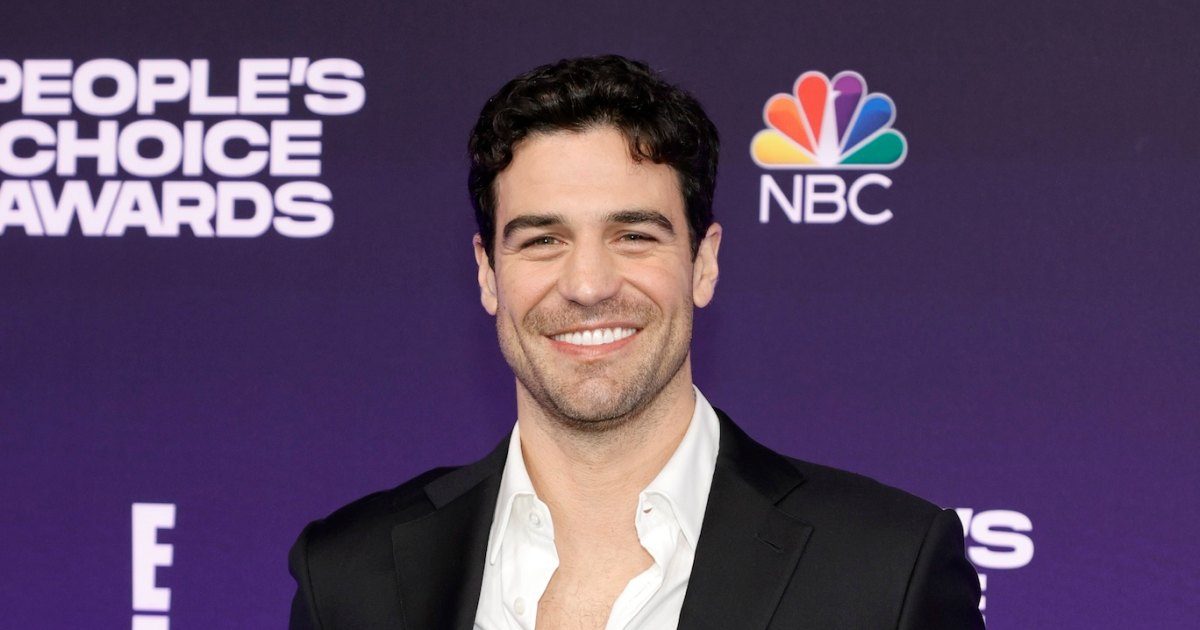
Bachelor in Paradise star Joe Amabile gave fans a health update on Wednesday, August 12, one week after undergoing brain surgery.
The 40‑year‑old posted an Instagram video and captioned it, saying “Recovery has been better than even I expected and I’m a pretty positive person.” He added that the operation, performed at NYU Langone, helped remove a lesion he had first discovered in a Prenuvo screening.
In the same post, Amabile thanked the medical team: “A big thank you to Dr. Golfinos and his team @nyulangone. They really have been wonderful.” He also expressed appreciation for fans’ messages, writing “I know a lot of you have reached out with so much love and support and it means a lot.”
The reality star revealed that he was diagnosed with a low‑grade astrocytoma, the type of brain tumor that starts in cells called astrocytes.
He explained that the surgeon removed the entire tumor and that, because malignant tumors can leave microscopic cells behind, he will now take a daily pill for the rest of his life to keep any remaining cells dormant.
## Background & Context
Joe first announced on July 13 that doctors had found a lesion in his brain after a Prenuvo test. He posted, “So a little medical update.
I didn’t share my Prenuvo results because they ended up finding a ‘lesion’ in my brain so then I had to go get a brain MRI and there was a blueberry size lesion in my brain that looks to be a glioma, which is a tumor.”
He said the next step would be brain surgery the following week. In a later clip he added, “(Surgery is in two weeks … my bad).” He also noted that he was told the lesion was early stage and that the goal was to remove it completely.
During the same July 13 post, Amabile referenced a different hospital: “I’ll be undergoing a craniotomy to have it removed — yeah brain surgery — @memorialsloankettering.” The discrepancy between NYU Langone and Memorial Sloan Kettering in his posts has not been clarified by the star or his team.
## What Low‑Grade Astrocytoma Means
Low‑grade astrocytomas (grade II) are among the most common primary brain tumors in adults. They originate from astrocytes, the supportive cells that surround neurons.
Though they grow more slowly than higher‑grade tumors, they still pose significant risks because they can infiltrate surrounding brain tissue and sometimes progress to a more aggressive form over time.
Standard treatment is surgical resection with the goal of removing as much tumor as possible while preserving neurological function. Even when surgeons achieve a gross total resection, microscopic disease often remains at the cellular level.
That’s why Amabile’s daily medication—an oral targeted therapy designed to keep residual cells in check—has become part of his ongoing plan.
## Surgery, Recovery, and the Hospital Mix‑Up
Amabile’s post‑surgery video shows a bright, optimistic Joe walking through a hospital corridor, hair still damp from the operation. He jokes about being “brain‑frozen” by the recovery process but assures fans he’s feeling stronger each day.
The footage, shared , includes a quick selfie where he checks his wristwatch—“We’re on schedule!”—and a slow‑motion clip of a doctor handing him a cup of tea, symbolizing the gentle care that follows major neurosurgery.
The mention of NYU Langone versus Memorial Sloan Kettering sparked speculation among followers. Both institutions are renowned for brain tumor research, yet they offer slightly different protocols.
Some fans pointed out that the original Prenuvo test was conducted in New York City, a logical reason to choose NYU, while others noted that Memorial Sloan Kettering frequently partners with Prenuvo for early‑detection programs.
In the weeks after the post, Amabile’s team clarified that the initial evaluation and MRI were at Memorial Sloan Kettering, but the actual surgical procedure was performed at NYU Langone’s Center for Brain Tumor Care, where Dr. Michael Golfinos is a lead neurosurgeon.
The mix‑up has since become a footnote in his story rather than a point of contention.
## Fan Reaction: Love, Support, and the Power of Community
The immediate response to Amabile’s July updates was one of overwhelming affection.
Within hours of his announcement, comments poured in: “We’re sending you all our love,” “You’re a warrior,” and “I knew you’d make it through.” Many fans shared personal stories about their own medical battles, creating a thread of shared vulnerability that resonated far beyond the show’s usual audience.
Serena Pitt, Joe’s wife, amplified this sentiment on July 14. She posted a heartfelt message thanking fans for their love and support, describing how the news had felt “scary and heavy” but that community kindness helped keep them positive.
The couple’s Instagram featured a simple black‑and‑white photo of them enjoying s’mores, captioned with light‑hearted words that underscored their ability to find joy even in difficult times.
Fans responded with emojis, encouraging words, and offers to donate to organizations that fund brain tumor research—an unexpected surge in charitable activity tied directly to a reality star’s personal struggle.
Beyond individual comments, several fan accounts started mini‑campaigns: a trending hashtag #JoeAndSerenaSupport and a coordinated Instagram Live where fans discussed how they’d handle health scares. These interactions illustrate how celebrity disclosures can galvanize public engagement and create a space for collective coping strategies.
## Industry Impact: Reality TV and Health Transparency
Joe Amabile’s candidness has ignited conversation about the role of reality television in health advocacy. Traditionally, reality stars have been careful about disclosing medical conditions, often choosing to keep them private or only mention them in passing.
Amabile’s decision to share raw footage of his surgery, recovery, and daily medication marks a shift toward transparency.
The effect extends beyond fan engagement. Production teams for future seasons have reportedly consulted with medical advisors to ensure that any potential health issues are handled sensitively and accurately.
The show’s producers have issued statements highlighting the importance of providing accurate information about medical conditions and encouraging viewers to seek professional advice.
the timing of the announcement—just weeks before a new season launch—has underscored how health news can influence narrative arcs and audience expectations. Viewers who followed Amabile’s journey are now more invested in his story, and other cast members have expressed admiration for his courage, which may shape future character dynamics.
## Personal Life: Strength in Partnership
The couple’s dynamic is a central theme of the story. Serena’s steady presence on social media—sharing updates about their joint activities, offering comforting words, and occasionally reminding fans that “we’re both in this together”—has shown the power of partnership in the face of adversity.
Their interactions suggest a mutual understanding that health challenges affect more than just the individual; they ripple across relationships.
Fans have also noted Serena’s own resilience, as she stepped up to become a co‑advocate for brain tumor awareness. She has taken part in speaking engagements and joined online panels discussing mental health support during medical treatment.
By sharing her experience, she expands the narrative beyond Joe’s surgery, highlighting the shared burden that couples often face when one partner is ill.
## The Road Ahead: Treatment, Monitoring, and Hope
In his August 12 post, Amabile outlined the next steps: “When it comes to malignant brain tumors, they don’t know what’s left over, so I will be going on treatment, which is just a pill every day for the rest of my life to put the bad cells to sleep and hopefully they stay asleep.”
This daily medication—believed to be a form of targeted therapy such as a temozolomide analogue—is intended to suppress any residual microscopic disease that surgery could not remove.
The plan also includes regular MRI scans, likely every three months for the first year, then semi‑annually thereafter, to monitor for recurrence or progression.
He closed his post with an optimistic tone, noting that he is “doing my best to stay positive during this time and am lucky to have a lot of support from family and friends.” He added, “Onto a new journey,” implying that the post‑surgery period will involve monitoring and routine medication.
## Conclusion
Joe Amabile’s one‑week update following brain surgery brings together several threads: personal courage, medical transparency, fan engagement, and industry influence.
By choosing to share every detail—from the Prenuvo test to the craniotomy and beyond—he has turned a private health crisis into a public dialogue that benefits both himself and those who look up to him.
The response from fans, the support from his wife Serena, and the broader conversation sparked within reality TV production circles demonstrate how a single story can ripple outward.
As Amabile continues his recovery and embraces a lifelong medication routine, he also sets a precedent for how celebrities might handle health challenges with openness and hope—an approach that may inspire both viewers and future stars to prioritize health awareness, early detection, and compassionate community support.
Why It Matters
Our Take
GoNews Pulse Editorial Team
This article was prepared for publication by GoNews Pulse and checked for publication requirements under our editorial standards. We review available information and correct material errors when they are identified.
Quick Answers
- What is the latest update on this story?
- He says the tiny tumor lingers, but daily meds keep it silent—discover what fuels his fight.
- Who is this story about?
- This article covers developments related to Joe Amabile Reveals Brain Tumor After Surgery, One‑Week Shock. GoNews Pulse's editorial team monitors the story and updates the article as new verified information becomes available.
- Where can I read more about Joe Amabile?
- GoNews Pulse publishes original reporting on Joe Amabile and related entertainment news. Visit the homepage or browse the section dedicated to this story for the latest coverage.
Related topics
- #Joe Amabile
- #NYU Langone
- #low-grade astrocytoma
- #Prenuvo screening
More From This Section

Jon Gosselin's 22‑Year‑Old Son Exposes Abuse, Father Shouts Support
Jon Gosselin declares that his son’s 22‑year‑old memoir exposes alleged institutionalization and a hidden ‘small holding’ cell, sparking a national debate.

Mike Colter's Valley Firm AGI Bo Revealed at 2:00 a.m. Shocks Fans
Rob McClure's portrayal of Bo forces the firm to confront a real‑world AGI asking for legal guardrails, sparking a tense ethical debate.

Meredith Grey's bed proposal to Nick on surgery table stuns fans
Meredith Grey slipped a ring into Nick's hand while he lay on the operating table, a move that stunned fans amid the bridge collapse.