
BBC silences Victoria Beckham joke, Jimmy Mulville fires back
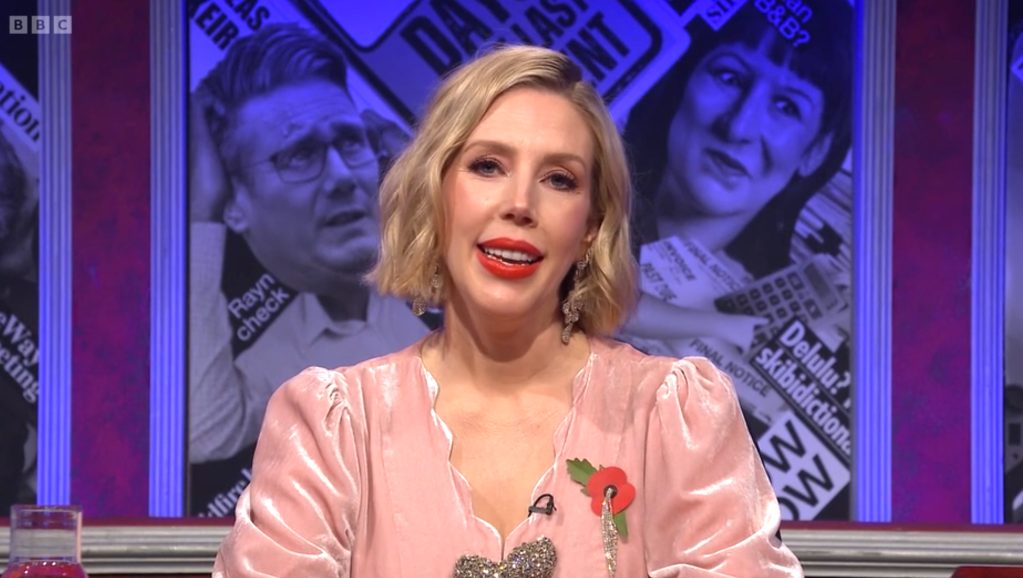
Jimmy Mulville, the long‑time producer behind *Have I Got News for You* (HIGNFY), has publicly slammed the BBC’s decision to edit out a joke about Victoria Beckham.
The complaint stemmed from a single line by host Katherine Ryan that compared Beckham to a “c**t.” Two viewers lodged formal complaints, triggering an almost year‑long investigation by the BBC’s Executive Complaints Unit.
The unit ultimately ruled the joke was editorially unjustified and removed it from the show’s iPlayer version.
The uproar highlights a clash between HIGNFY’s brand of humor and the BBC’s content guidelines. Mulville, who has rarely shied from confrontation, accused the network of wasting licence fee money on an investigation he saw as over‑reaching.
He described the process as “another example of the BBC’s paranoia about causing offence,” calling the unit a Kafkaesque bureaucratic obstacle. The ruling also prompted an internal briefing to senior BBC content leaders.
## Background & Context
*Have I Got News for You* has long been known for its irreverent satire, with producers like Mulville pushing boundaries. The show airs on the BBC, which operates under strict editorial guidelines that balance freedom of expression with potential offence.
In this instance, the guidelines demand any humour that could be deemed offensive must have editorial justification.
The controversy began when Katherine Ryan delivered a joke comparing Victoria Beckham to a “c**t.” The remark was part of a broader comedic routine, but two viewers found it gratuitously offensive and lodged complaints with the BBC.
The BBC’s Executive Complaints Unit opened an investigation that would last nearly a full year before delivering its ruling.
The unit’s findings concluded that the joke lacked editorial justification.
They stated: “There was no justification for a comment which presented Victoria Beckham as equivalent to a particularly offensive word.” The ruling also noted that while the BBC does not require programmes to avoid all offence, it must ensure any offence is justified editorially.
## What Happened
During the original episode, Ryan’s joke was delivered in a light‑hearted context. Mulville explained that Katherine and Victoria had exchanged Instagram messages about the remark, with Ryan framing it within its intended comedic setting. He noted: “In contemporary queer and ballroom culture, the word has been reclaimed.
It is used to describe someone who looks extremely confident, impeccably styled, fierce, or authentically and powerfully feminine.” Mulville added that Ryan would not disparage another woman in that way.
The BBC’s ruling demanded removal of the joke from the show’s iPlayer upload. “The relevant BBC editorial guidelines do not require programmes to avoid giving offence but do require that any offence should be editorially justified,” the unit wrote.
As a result, the edited episode no longer contains the line and the BBC has reported the decision to its senior leaders.
Mulville criticized the extended review process. He called it “a total waste of the licence fee” and likened it to a Kafka‑style bureaucratic maze.
In his own words, he said: “My own definition of a c**t is someone who spends all day looking for problems that don’t exist.” His statement underscores his frustration with what he sees as excessive caution over perceived offence.
## Analysis
Mulville’s reaction underscores an ongoing tension between broadcast standards and comedy’s push for edginess. His description of the BBC as “paranoid” reflects a broader debate about whether the network’s guidelines stifle creative expression.
The executive complaints unit’s reliance on editorial justification suggests a shift toward more stringent oversight of potentially offensive content.
The removal of the joke also raises questions about how the BBC balances audience sensitivities with its public‑service remit. By editing out material that viewers found offensive, the BBC may be aiming to safeguard its licence fee fund, but it could also be viewed as limiting comedic licence.
This incident may influence future production decisions on shows that routinely push boundaries.
The situation illustrates the delicate dance between satire and sensitivity in contemporary broadcasting. While Mulville argues that reclaimed language can carry empowering meanings, the BBC maintains a cautious stance, prioritizing audience comfort over creative risk.
The outcome may prompt other producers to re‑evaluate how they incorporate potentially controversial jokes, especially when dealing with public figures like Victoria Beckham.
The final ruling and its impact on HIGNFY will likely be monitored closely by both the industry and viewers. Whether this episode leads to stricter guidelines or a more open dialogue about comedic content remains to be seen, but it certainly marks a notable moment in the conversation about humour, offence, and public‑service broadcasting.
Why It Matters
Our Take
GoNews Pulse Editorial Team
This article was prepared for publication by GoNews Pulse and checked for publication requirements under our editorial standards. We review available information and correct material errors when they are identified.
Quick Answers
- What is the latest update on this story?
- BBC censors Victoria Beckham joke after year‑long review, Jimmy Mulville slams the wasteful move.
- Who is this story about?
- This article covers developments related to BBC silences Victoria Beckham joke, Jimmy Mulville fires back. GoNews Pulse's editorial team monitors the story and updates the article as new verified information becomes available.
- Where can I read more about BBC?
- GoNews Pulse publishes original reporting on BBC and related entertainment news. Visit the homepage or browse the section dedicated to this story for the latest coverage.
Related topics
- #BBC
- #Jimmy Mulville
- #Victoria Beckham
- #broadcast standards
More From This Section

Jon Gosselin's 22‑Year‑Old Son Exposes Abuse, Father Shouts Support
Jon Gosselin declares that his son’s 22‑year‑old memoir exposes alleged institutionalization and a hidden ‘small holding’ cell, sparking a national debate.

Mike Colter's Valley Firm AGI Bo Revealed at 2:00 a.m. Shocks Fans
Rob McClure's portrayal of Bo forces the firm to confront a real‑world AGI asking for legal guardrails, sparking a tense ethical debate.

Meredith Grey's bed proposal to Nick on surgery table stuns fans
Meredith Grey slipped a ring into Nick's hand while he lay on the operating table, a move that stunned fans amid the bridge collapse.