
Jesse Eisenberg’s Razzie forced him to quit, 43‑year‑old wins Oscars
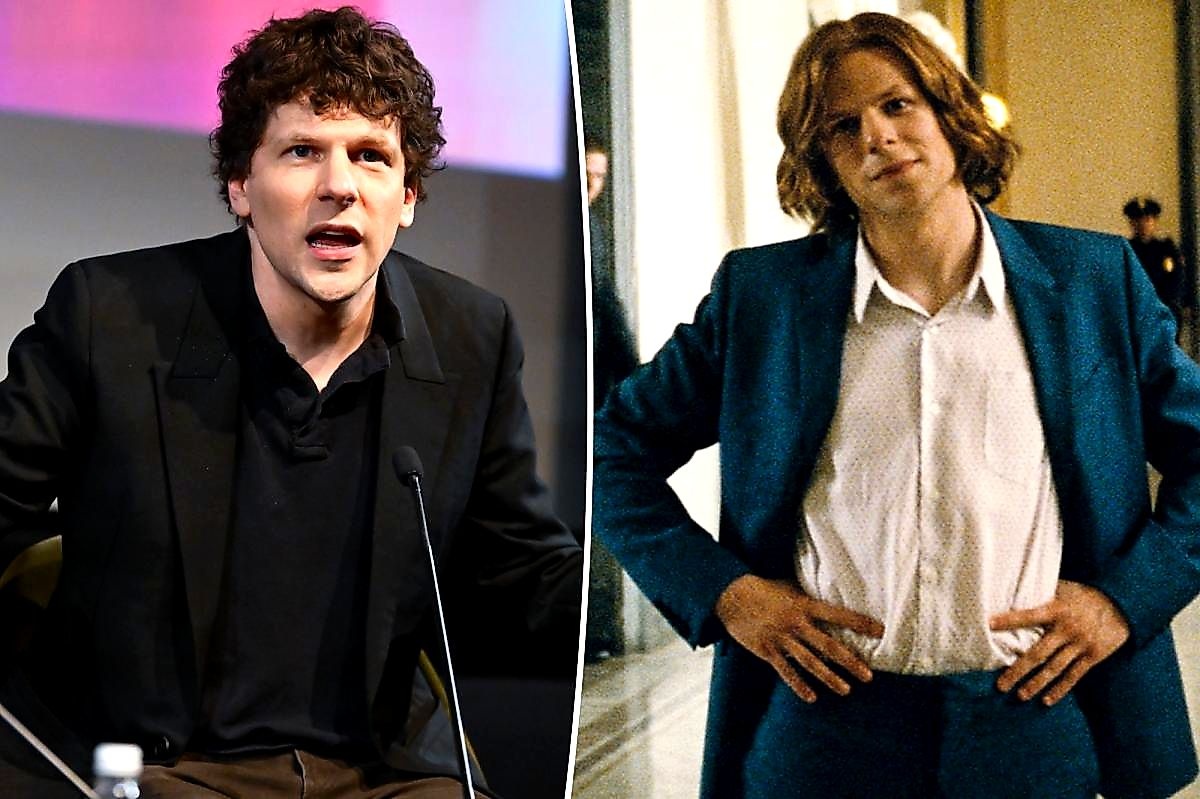
# Jesse Eisenberg’s Razzie Shock Shakes His Acting Career and Sparks a Directorial Surge The 43‑year‑old actor‑turned‑filmmaker announced at the BFI London Film Festival that his 2017 Razzie for “worst supporting actor” in *Batman v Superman: Dawn of Justice* forced him to abandon the big‑screen chase and refocus on the director’s chair.
He said the award was a brutal wake‑up call that the industry had already decided his superhero path was dead, and it left him grappling with a career at a precarious “downslope.” That fear turned into a decision: start writing and directing to keep his artistic life afloat.
Eisenberg’s pivot from acting to directing began in the wake of a high‑profile career setback. He had built a reputation for sharp, cerebral performances in films like *The Social Network* and *Zombieland: Double Tap*.
When the Razzie ceremony highlighted *Batman v Superman* as the worst sequel, with the film taking home awards for worst screenplay and worst screen combo, Eisenberg found himself sidelined.
In an interview with a festival audience, he explained how the industry’s signal was clear: “I couldn’t get into movie studio parts anymore because I had won a Raspberry Award from being in the ‘Batman’ movie … and I saw the trajectory.” The loss of studio offers, he noted, stemmed from a perceived decline in his marketability.
The actor‑turned‑director now promotes *The Debut*, an A24 musical comedy he wrote and directed, featuring Julianne Moore and Paul Giamatti. The film showcases Eisenberg’s growing interest in genre‑blending projects that lean into satire and music.
His directorial career includes *When You Finish Saving the World*, which marked his first official entry behind the camera.
His second feature, *A Real Pain* (2024), also cast him opposite Kieran Culkin and earned an Oscar nomination for best original screenplay, demonstrating a swift ascent in the film‑making arena that began with a humiliating Razzie. ## Background & Context Jesse Eisenberg’s first major Hollywood break came with *The Social Network* in 2010, a role that set him apart as a cerebral, method actor.
He followed that success with a range of roles—from comedy to drama—earning a reputation as a versatile performer. Yet the 2016 superhero blockbuster *Batman v Superman: Dawn of Justice* was a turning point.
Portraying Lex Luthor, Eisenberg’s performance was widely criticized, and the film’s reception was harsh. The 2017 Golden Raspberry Awards, which celebrate the worst in cinema, named him “worst supporting actor.” The Razzie trophy became a symbolic marker of a career crossroads.
The superhero genre, with its blockbuster budgets and mass‑audience expectations, often rewards conventional charisma and broad appeal.
Eisenberg’s cerebral style did not translate to the genre’s demands, leading critics to label his Luthor as “flat” and “unbelievable.” The backlash was swift, and the Razzie was the public, tongue‑in‑cheek verdict.
Eisenberg later reflected that the industry’s rejection was not merely a critique of his acting but a signal that his brand of performance would not fit future big‑budget projects. Faced with a dearth of offers, Eisenberg was forced to confront the volatile nature of acting.
He described the profession as “unstable, awful,” with no plateau, a constant treadmill of either upward momentum or obsolescence. “Because there’s no plateau.
Acting is just this unstable, awful industry where you are either on the treadmill and you’re doing OK and you’re running up, or you are yesterday’s news, and it’s awful,” he said.
The realization that the industry had already chosen to sideline him prompted a career‑wide recalibration. ## What People Are Saying Within industry circles, Eisenberg’s pivot has sparked a mix of admiration and skepticism.
Fans of his earlier work applaud his courage to switch lanes, while some critics question whether the move to directing is a strategic fallback or an artistic evolution. The “Batman” Razzie remains a lightning rod for debate, often cited in discussions about the fine line between star power and typecasting.
Eisenberg’s remarks at the BFI festival were candid, emphasizing that the award forced him to “see the trajectory.” His narrative—fear leading to a new creative focus—resonated with actors who feel the weight of a single performance.
The film community, noting his rapid ascension behind the camera, has taken note of his storytelling potential. The success of *A Real Pain* and its Oscar nomination confirm that his directorial voice is finding recognition.
Eisenberg’s career trajectory highlights a broader shift in Hollywood: actors increasingly creating their own opportunities by stepping into directing or producing roles.
His journey from a Razzie‑shamed actor to an Oscar‑nominated writer showcases the possibilities that arise when artists refuse to be confined by industry expectations.
Fans of his work are following his new projects closely, eager to see how his unique perspective shapes the stories he tells. ## What Happens Next Eisenberg’s current focus lies in expanding his directorial portfolio and refining his narrative style.
His recent discomfort with criticism, such as when co‑star Kieran Culkin questioned his direction, has fueled his resolve to control the narrative around his creative output. Eisenberg’s path also opens doors for collaborations with up‑and‑coming writers and actors who feel constrained by traditional studio systems.
By championing projects that prioritize authentic storytelling over box‑office predictability, he may influence a new wave of films that balance artistic integrity with commercial appeal.
Whether his future lies predominantly behind the camera or as an actor remains to be seen, but his story offers a compelling blueprint for resilience and reinvention in Hollywood.
In the end, the Razzie that once seemed a career‑endgame has, paradoxically, become a catalyst for Jesse Eisenberg’s most daring creative chapter yet.
At a Glance
- Razzie for worst supporting actor spurred 43‑year‑old Eisenberg to abandon acting and focus on directing.
- He launched A24 musical comedy *The Debut* and earned an Oscar‑nominated screenplay for 2024 feature *A Real Pain*.
- His journey illustrates how actors can pivot to behind‑the‑camera roles to regain creative control and industry respect.
Why It Matters
Our Take
GoNews Pulse Editorial Team
This article was prepared for publication by GoNews Pulse and checked for publication requirements under our editorial standards. We review available information and correct material errors when they are identified.
Quick Answers
- What is the latest update on this story?
- Jesse Eisenberg says his Razzie trophy was a 'brutal wake‑up call', sparking a pivot to directing that just earned him an Oscar nomination.
- Who is this story about?
- This article covers developments related to Jesse Eisenberg’s Razzie forced him to quit, 43‑year‑old wins Oscars. GoNews Pulse's editorial team monitors the story and updates the article as new verified information becomes available.
- Where can I read more about celebrity news?
- GoNews Pulse publishes original reporting on celebrity news and related entertainment news. Visit the homepage or browse the section dedicated to this story for the latest coverage.
More From This Section
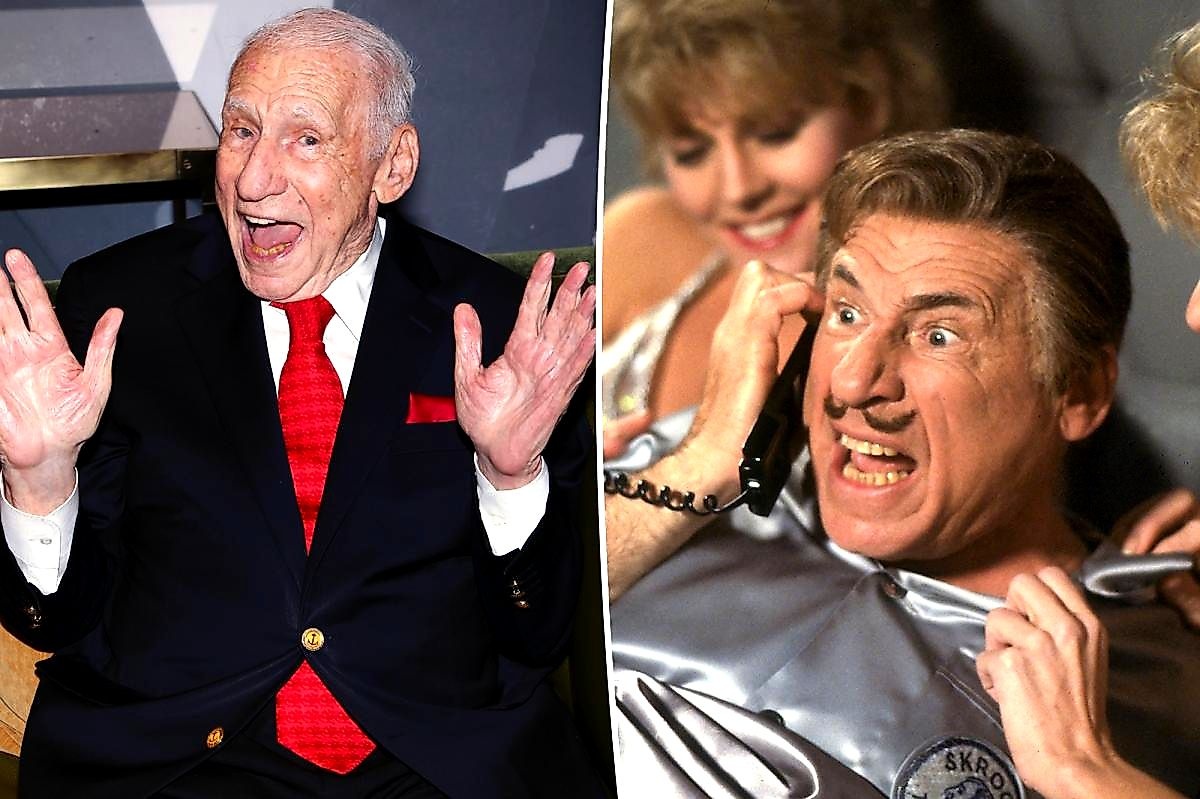
Mel Brooks' 100-Year-Old Spaceballs Return Shocks Fans He Filmed First
Mel Brooks insisted his scenes be shot first, saying, “You better film me now because I’m 100,” and the sequel hits theaters on April 23, 2027.
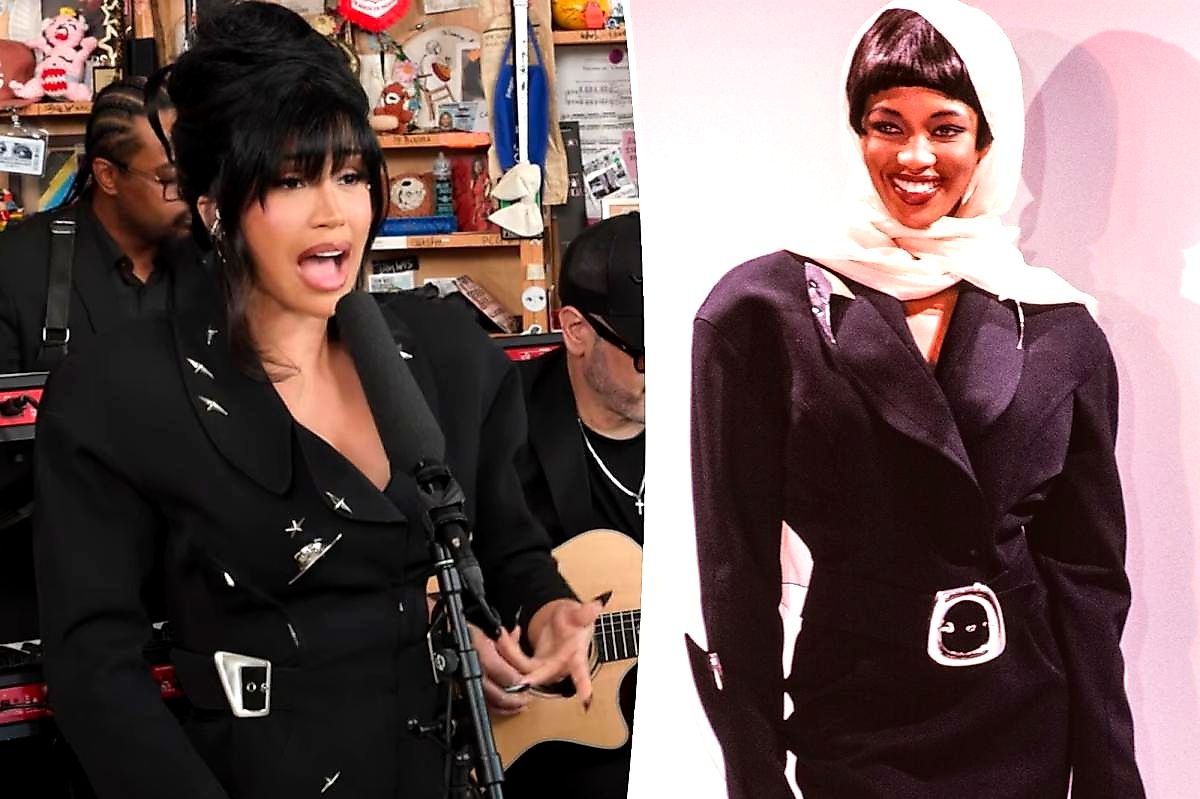
Cardi B's $3,500 Mugler Jacket Turns Tiny Desk Into Runway Stunner
Cardi B drops a jaw‑dropping $3,500 Mugler jacket on Tiny Desk, posting 'Go watch my Tiny Desk performance RIGHT NOW' to ignite a viral fashion frenzy.
Greta Gerwig's 481M Narnia trailer blows Barbie, Wonka records
With Led Zeppelin’s “Stairway to Heaven” as the first‑ever sync in a trailer, Netflix’s 49‑day U.S. theatrical window turns the Narnia release into an event