
Jesse Eisenberg declines Zuckerberg role, Aaron Sorkin enraged
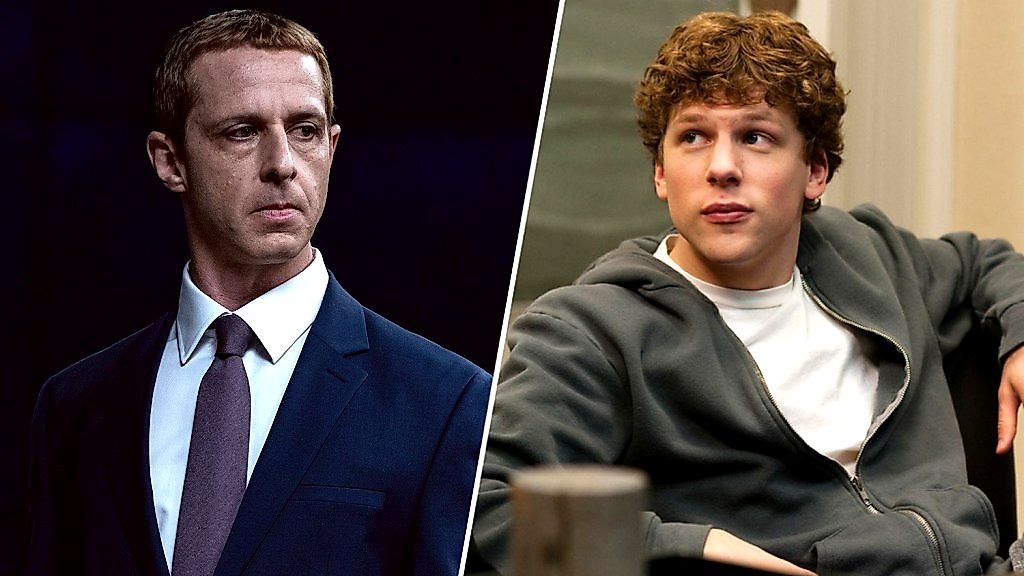
# Aaron Sorkin’s Frustration as Jesse Eisenberg Declines Zuckerberg Role Aaron Sorkin, the Oscar‑winning screenwriter behind *The Social Network*, has been left exasperated after his friend‑request to Jesse Eisenberg was denied when the actor chose not to reprise his portrayal of Facebook’s founder in the upcoming sequel, *The Social Reckoning*.
The film, slated for an October 9 theatrical release, traces a 2021 document leak that exposed the social media giant’s impact on society.
Sorkin, who has both written and is directing the follow‑up, described the decision as “infuriating,” noting that the offer was substantial, yet the money seemed to serve as a deterrent rather than an incentive for Eisenberg.
The actor, who has expressed a desire to raise his children away from excessive wealth, reportedly rejected the role on personal grounds. The scene that triggered the story unfolded when Sorkin logged back into Facebook to extend a friend request to Eisenberg.
The request was declined, sparking a flurry of speculation about why the actor turned down the opportunity to return as Mark Zuckerberg, a character that became a cultural touchstone after the original film’s success.
Sorkin had been “just a couple of pages from being done” with the script when he saw Eisenberg in a casual setting and casually mentioned sending him a draft.
Eisenberg smiled and nodded, but Sorkin later realized the actor would not accept the role. ## Background & Context Sorkin’s relationship with the role dates back to the 2010 film that chronicled the rise of Facebook and the controversies that accompanied it.
Eisenberg’s performance, which earned him a nomination for an Academy Award for Best Supporting Actor, helped define the public’s perception of the tech titan’s early days.
Yet the actor’s subsequent career has included a mix of independent films, political dramas, and comedic roles that have allowed him to distance himself from that singular, defining part of his oeuvre.
When Sorkin was drafting *The Social Reckoning*, the sequel’s premise focused on Frances Haugen (played by Mikey Madison), a former Facebook engineer who leaks internal documents exposing the platform’s societal harm.
The story follows her as she approaches Jeff Horwitz (Jeremy Allen White), a Wall Street Journal reporter, to reveal the hidden truths. Supporting roles include Bill Burr, Wunmi Mosaku, Billy Magnussen, and Betty Gilpin, each adding layers of intrigue and moral complexity to the narrative.
As the plot weaves through the corporate labyrinth, Sorkin’s script aims to examine the ethical dilemmas faced by those within tech conglomerates. Despite the weight of the original film’s success, Sorkin felt that Eisenberg’s return could be pivotal for continuity and depth.
To that end, he reportedly spent a three‑day weekend in an attempt to persuade the actor, outlining arguments that highlighted the actor’s previous triumph and the significance of the scenes he could still bring to life.
Sorkin even prepared an outline for his own use, detailing how Eisenberg could revisit iconic moments from the first film while expanding into new territory that reflected the company’s modern‑day controversies.
The actor’s decision to step away from the role was rooted in a desire to avoid being conflated with Zuckerberg’s real‑world persona. “He doesn’t like the physical resemblance or the public association anymore,” Sorkin said, noting that Eisenberg had grown weary of the image attached to the character.
In the meantime, the project secured Jeremy Strong as the new Zuckerberg in September, a choice that marked a significant tonal shift for the sequel. ## What People Are Saying Industry insiders have weighed in on the dynamics that unfolded behind the scenes.
Sorkin’s frustration reflects a broader tension between creative vision and actors’ personal convictions. While some applaud Eisenberg’s commitment to his principles and family values, others express disappointment that the continuity he brought to the original film was lost.
The actor’s aversion to large sums of money as a motivation was highlighted by Sorkin, who remarked that financial incentives seemed to backfire for Eisenberg, who has expressed concern about raising children in an environment saturated with wealth. The public response to the development has been mixed.
Fans who were eager to see Eisenberg reprise his role reacted with surprise and curiosity, while those who respect the actor’s autonomy appreciated his refusal to be bound by a single character.
Critics have pointed out that the casting change may alter the film’s tone, noting that Strong’s portrayal of Zuckerberg could bring a different energy to the story.
In turn, this has sparked discussions about the broader implications of casting decisions in high‑profile sequels, particularly when the original actors are deeply associated with the narrative.
In interviews, Sorkin highlighted the difficulty of reconciling the actor’s personal ethos with the demands of a blockbuster sequel. He noted that Eisenberg’s priorities—raising his children away from excessive money—were a central reason for his refusal.
The screenwriter’s frustration was not just about the loss of a familiar face but also about the missed opportunity to explore a nuanced, character‑driven continuation that Eisenberg could have contributed to. ## What Happens Next The production has moved forward with Jeremy Strong in the role of Mark Zuckerberg.
Sorkin has completed the screenplay and is preparing for the shooting schedule that will begin later this year. The film’s focus on the 2021 leak and the ethical challenges within the tech industry positions it to resonate with audiences who have become increasingly critical of social media’s influence.
The story behind the casting also serves as a reminder of the delicate balance between creative vision and personal choice in Hollywood. While the final product may diverge from the original intent, it offers a new lens through which to examine the complex legacy of one of the world’s most influential companies.
As audiences prepare for *The Social Reckoning*, the narrative will unfold both on screen and in the conversations that accompany it, underscoring the enduring relevance of the themes that first captured the public’s imagination a decade ago.
At a Glance
- Aaron Sorkin’s frustration after Jesse Eisenberg declined to reprise Zuckerberg in the sequel.
- Eisenberg cited family and a desire to distance himself from the real Zuckerberg persona.
- Jeremy Strong was cast, signaling a tonal shift for the film.
Why It Matters
Our Take
GoNews Pulse Editorial Team
This article was prepared for publication by GoNews Pulse and checked for publication requirements under our editorial standards. We review available information and correct material errors when they are identified.
Quick Answers
- What is the latest update on this story?
- Aaron Sorkin spent a three‑day weekend pleading, but Jesse Eisenberg said he won’t be linked to the real Zuckerberg,
- Who is this story about?
- This article covers developments related to Jesse Eisenberg declines Zuckerberg role, Aaron Sorkin enraged. GoNews Pulse's editorial team monitors the story and updates the article as new verified information becomes available.
- Where can I read more about celebrity news?
- GoNews Pulse publishes original reporting on celebrity news and related entertainment news. Visit the homepage or browse the section dedicated to this story for the latest coverage.
More From This Section

Jon Gosselin's 22‑Year‑Old Son Exposes Abuse, Father Shouts Support
Jon Gosselin declares that his son’s 22‑year‑old memoir exposes alleged institutionalization and a hidden ‘small holding’ cell, sparking a national debate.

Mike Colter's Valley Firm AGI Bo Revealed at 2:00 a.m. Shocks Fans
Rob McClure's portrayal of Bo forces the firm to confront a real‑world AGI asking for legal guardrails, sparking a tense ethical debate.

Meredith Grey's bed proposal to Nick on surgery table stuns fans
Meredith Grey slipped a ring into Nick's hand while he lay on the operating table, a move that stunned fans amid the bridge collapse.