
Jeremy Thomas, behind The Last Emperor and Crash, unexpectedly passes at 77
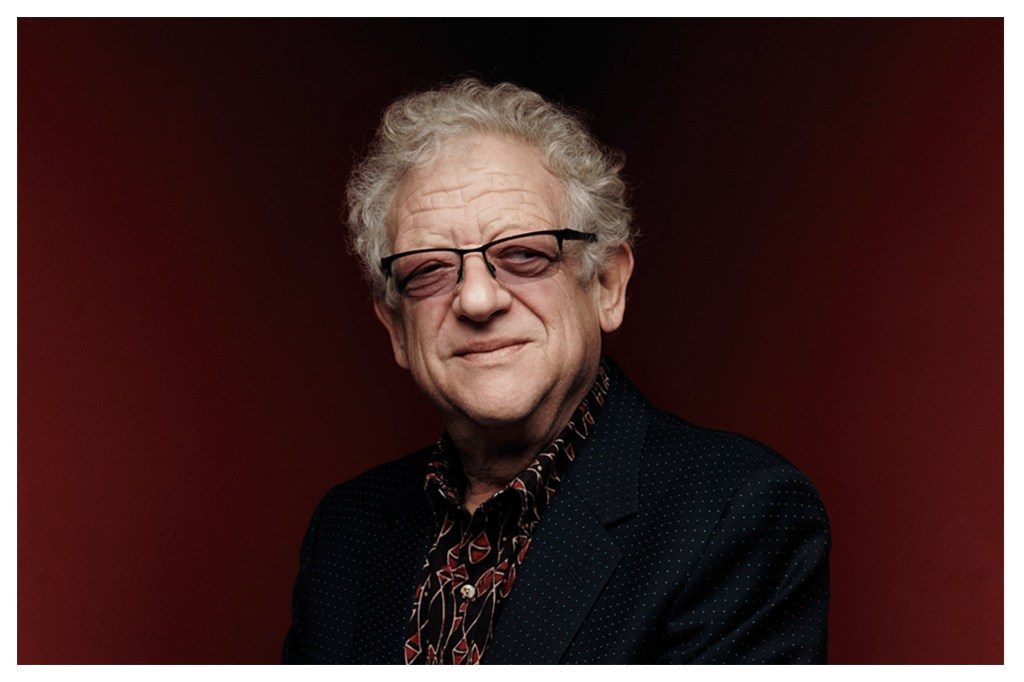
Jeremy Thomas, the British producer behind *The Last Emperor* and *Crash*, died on September 11 at age 77. He passed away peacefully at his country home in Oxfordshire, surrounded by family and loved ones, .
The news arrived as the 83rd Venice Film Festival wrapped up its final day, where Werner Herzog’s *Buckling Fastard*—which Thomas produced—was in competition.
Over the course of five decades, Thomas built a prolific filmography that includes more than 80 credits. His work spans international collaborations, from Bernardo Bertolucci’s Oscar‑winning *The Last Emperor* to David Cronenberg’s controversial *Crash*.
The producer’s career also featured early highlights such as Nagisa Oshima’s *Merry Christmas Mr. Lawrence* and Jonathan Glazer’s *Sexy Beast*.
Thomas was also present at the Venice Festival press conference, where Werner Herzog praised him for the creative idea that led to casting Kate and Rooney Mara in roles that would define *Buckling Fastard*’s central narrative.
The announcement of his death coincided with the premiere of Takeshi Miike’s *Bad Lieutenant: Tokyo* in Toronto, a film Thomas had helped bring to life.
## Background & Context
Jeremy Thomas was born July 26, 1949, into a filmmaking family. His father directed over 40 features, including *The 39 Steps* and the Doctor comedy series, while his uncle Gerald Thomas produced the Carry On films.
After school, Thomas worked in various industry jobs before moving into editing on titles such as *The Harder They Come* and Ken Loach’s *A Family Life*.
Thomas launched his own production house, the London‑based Recorded Picture Company (RPC), in 1974. RPC’s first project was Jerzy Skolimowski’s *The Shout*, which earned the Grand Prix de Jury at Cannes in 1978.
He later founded Hanway Films in 1998 with Peter Watson and Stephan Mallmann, a sales company that would become a key part of his international reach.
Thomas’s filmography is marked by collaborations with world‑renowned auteurs. He produced Bernardo Bertolucci’s *The Last Emperor*, a three‑year independent production that won nine Oscars in 1987, and went on to work with the director on *The Sheltering Sky*, *Little Buddha*, *Stealing Beauty* and *The Dreamers*.
His work also includes the controversial 1996 adaptation of J.G. Ballard’s *Crash*, which faced a censorship battle after its Cannes premiere.
In addition to his production credits, Thomas was the subject of documentary films such as Mark Cousins’ *The Storms Of Jeremy Thomas* and appeared in Luca Guadagnino’s seven‑hour *Joie de Vivre*.
He also maintained an active presence at the Venice Film Festival, where he launched numerous titles from a Carlton suite that became a familiar meeting place for filmmakers worldwide.
## What People Are Saying
The family released a brief statement announcing Thomas’s death. It described him as “the celebrated British producer of The Last Emperor and of over 40 other films” and noted that he had died peacefully at his country home in Oxfordshire late on Friday, surrounded by family and loved ones.
The statement also highlighted Thomas’s international reach, saying he worked with directors from Japan, Italy, Germany, the USA, Canada, Poland and Australia.
It added that he was celebrated as a dedicated enabler of auteur work at the highest level and that he received an Outstanding European Achievement in World Cinema award from the European Film Academy in 2006.
The announcement named a long list of international directors Thomas collaborated with, including Bernardo Bertolucci, David Cronenberg, Matteo Garrone, Jerzy Skolimowski, Nagisa Oshima, Richard Linklater, Bob Rafelson, Jim Jarmusch, Takeshi Miike and Terry Gilliam.
It also noted his influence on early British directors such as Jonathan Glazer, Stephen Frears, Julien Temple and Ben Wheatley.
The family statement also mentioned Thomas’s personal life, noting that he was married twice—first to Claudia Frohlich in 1977, ending in divorce in 1981, and then to Eski Thomas née Vivien Coughman in 1982. He is survived by his wife, their three children Jessica, film and TV agent Jack, and Joshua.
In his later years, Thomas battled cancer but continued to work tirelessly. He remained active in the film community, contributing to the launch of several projects, including Takeshi Miike’s *Bad Lieutenant: Tokyo*, which premiered in Toronto on September 14.
## What Happens Next
Thomas’s death was announced just as the Venice Film Festival was closing, but his legacy continues to shape the festival’s program. The event ended with Werner Herzog’s *Buckling Fastard* in competition and the final screening of other titles he had helped produce.
In Toronto, the 14th September premiere of Takeshi Miike’s *Bad Lieutenant: Tokyo* marked the last of Thomas’s active collaborations. The film was presented as a Special Presentation at the Toronto International Film Festival, and it will be among the works highlighted in his filmography during retrospectives.
The industry is also noting Thomas’s ongoing influence, with several projects still in development that were tied to his production company or sales firm. Although he faced a cancer diagnosis, he continued to engage with new films such as *Becoming Capa*, currently in post‑production, and other titles under the Hanway umbrella.
Thomas’s passing marks the end of an era for a producer who was known for championing auteur projects and fostering new talent across continents. While the film community mourns his loss, the works he helped bring to life remain on screens worldwide, preserving his legacy.
Thomas’s career, spanning five decades, left an indelible mark on international cinema. His name will continue to appear in festival lineups and retrospectives for years to come.
Why It Matters
Our Take
GoNews Pulse Editorial Team
This article was prepared for publication by GoNews Pulse and checked for publication requirements under our editorial standards. We review available information and correct material errors when they are identified.
Quick Answers
- What is the latest update on this story?
- British film titan Jeremy Thomas, who turned The Last Emperor and Crash into cinematic milestones, dies quietly at 77, leaving a legacy no one will forget.
- Who is this story about?
- This article covers developments related to Jeremy Thomas, behind The Last Emperor and Crash, unexpectedly passes at 77. GoNews Pulse's editorial team monitors the story and updates the article as new verified information becomes available.
- Where can I read more about Jeremy Thomas?
- GoNews Pulse publishes original reporting on Jeremy Thomas and related entertainment news. Visit the homepage or browse the section dedicated to this story for the latest coverage.
Related topics
- #Jeremy Thomas
- #Crash film
- #Recorded Picture Company
- #Hanway Films
- #Venice Film Festival
- #European Film Academy
- #Bernardo Bertolucci
More From This Section

Jon Gosselin's 22‑Year‑Old Son Exposes Abuse, Father Shouts Support
Jon Gosselin declares that his son’s 22‑year‑old memoir exposes alleged institutionalization and a hidden ‘small holding’ cell, sparking a national debate.

Mike Colter's Valley Firm AGI Bo Revealed at 2:00 a.m. Shocks Fans
Rob McClure's portrayal of Bo forces the firm to confront a real‑world AGI asking for legal guardrails, sparking a tense ethical debate.

Meredith Grey's bed proposal to Nick on surgery table stuns fans
Meredith Grey slipped a ring into Nick's hand while he lay on the operating table, a move that stunned fans amid the bridge collapse.