
Jeremy Strong's 1‑Email to Sorkin Pretending Zuckerberg Shocks Hollywood
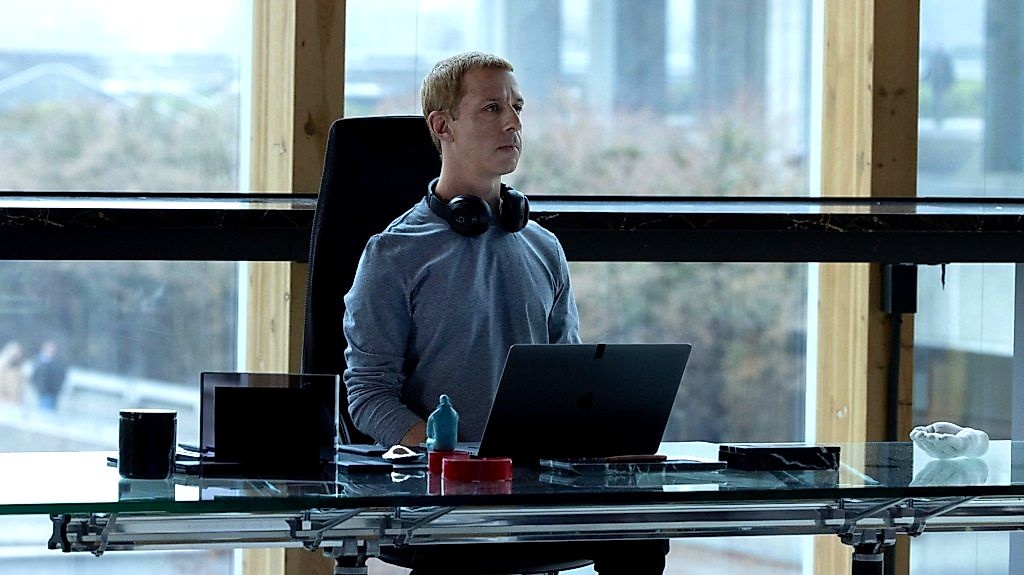
**Jeremy Strong Pretends to Be Zuckerberg, Defends Him Before Reckoning** Jeremy Strong, the Emmy‑winning actor best known for his intense portrayals on stage and screen, surprised many by becoming an unlikely advocate for Facebook’s founder during the production of *The Social Reckoning*.
In an interview on a radio program, Strong revealed that he had been sending emails to Aaron Sorkin, the writer‑director of the film, while channeling Zuckerberg himself.
The move, intended to protect the founder’s image, underscored Strong’s deep commitment to a balanced narrative in the upcoming drama about the 2021 Facebook whistleblower leaks. The film arrives amid heightened scrutiny of social media giants and their influence on public discourse.
Strong’s approach—defending Zuckerberg and pushing for a dialectic rather than a polemic—offers a fresh angle on a story that many would expect to be one‑sided.
With a star‑studded ensemble that includes Mikey Madison, Jeremy Allen White, Bill Burr, Wunmi Mosaku, Billy Magnussen and Betty Gilpin, the movie is poised to spark conversation about truth decay, civil debate, and corporate accountability.
The revelation that Strong pretended to be Zuckerberg while reaching out to Sorkin may seem odd at first glance, but it is rooted in his method‑acting philosophy and an earnest desire to portray a more nuanced view of a complex system.
The result is a film that promises to challenge audiences’ preconceptions, rather than simply confirm them. ## Background & Context *The Social Reckoning* chronicles the whistleblower revelations that shook Facebook in 2021, when insiders Frances Haugen and Jeff Horwitz exposed the company’s internal practices.
The narrative, guided by Sorkin’s sharp pen, examines how algorithmic amplification of misinformation and corporate self‑interest contributed to a decline in civil discourse.
Strong, who portrays a key figure in the unfolding drama, describes his engagement with the material as a “dialectic” effort: a dialogue between opposing viewpoints rather than an attack on the platform.
In preparing for his role, Strong adopted a unique method: he imagined himself as Zuckerberg and wrote emails to Sorkin, pleading for a fair depiction. “I was defending him a lot when we were making the film, to my director,” he told the host.
His motivation was to avoid framing the story as a blanket indictment of Facebook. “I want the film to be a dialectic rather than a polemic,” he explained, adding that a balanced portrayal would illuminate the broader conversation about truth decay.
The actor’s willingness to channel Zuckerberg was not merely a gimmick. Strong emphasized the importance of negative space in storytelling, noting that “taking Jeremy out of this at that point” would create room for nuance.
By presenting Zuckerberg’s perspective, Strong argued, audiences would gain insight into the systemic pressures that shape corporate behavior.
This approach aligns with Sorkin’s own desire to portray historical events as complex webs of intent and consequence. ## What People Are Saying Strong’s method has generated both intrigue and debate.
Critics who followed the radio interview noted that his request for tear gas during the filming of *The Trial of the Chicago 7*—another Sorkin‑helmed production—was an extension of his commitment to authenticity.
In that earlier project, Strong sought a visceral experience to capture the intensity of protest, clarifying that no harm would come to anyone involved. “I want to demythologize that a little bit,” he said, drawing parallels between the 1968 Chicago protests and contemporary social media dynamics.
The broader reception to *The Social Reckoning* also reflects a growing appetite for films that dissect the intersection of technology and society. Audiences have responded positively to the ensemble’s performances, praising the script’s layered depiction of whistleblowers, executives, and the press.
Industry insiders predict that the movie will stimulate discussions about corporate accountability, especially as public trust in digital platforms remains fragile.
Additionally, the cast’s diversity—highlighted by actors like Wunmi Mosaku and Bill Burr—has been lauded for bringing a range of voices to a story that cuts across cultural and ideological lines.
As the premiere approaches, social media buzz has surged, with users debating whether the film will prompt policy changes or simply entertain. ## What Happens Next Production teams are intensifying marketing efforts with trailer releases showcasing dramatic reenactments of the whistleblower interviews.
Strong, who has spoken about his future projects, remains focused on roles that challenge audiences to confront uncomfortable truths. The experience of defending Zuckerberg may have influenced his approach to character work.
Sorkin continues to focus on projects such as *The Social Reckoning* and *The Trial of the Chicago 7*. Fans anticipate that the film will spark conversations about regulatory reforms and the responsibilities of platform providers.
The industry watches closely to see whether the movie’s balanced narrative will shift public perception. If *The Social Reckoning* succeeds in reframing the debate around Facebook and other tech firms, it could pave the way for more nuanced portrayals of technology’s role in society.
As for Strong, his method‑driven performance—complete with an unconventional email‑sending exercise—will likely be remembered as his dedication to authenticity and depth.
In a world where every story seems to be either a call to action or a warning, *The Social Reckoning* offers a middle ground, inviting viewers to look beyond headlines and into the mechanics that shape our digital lives.
At a Glance
- Jeremy Strong pretended to be Zuckerberg by emailing Sorkin to defend him during the making of *The Social Reckoning*.
- *The Social Reckoning* seeks a dialectic view of Facebook’s 2021 whistleblower leaks, offering a nuanced take on corporate tech culture.
- The stunt has ignited discussion on the value of balanced narratives in film and the responsibilities of actors to shape public perception.
Why It Matters
Our Take
GoNews Pulse Editorial Team
This article was prepared for publication by GoNews Pulse and checked for publication requirements under our editorial standards. We review available information and correct material errors when they are identified.
Quick Answers
- What is the latest update on this story?
- Strong says he sent a 200‑word email to Sorkin, pleading Zuckerberg’s side, sparking debate among Hollywood insiders and critics.
- Who is this story about?
- This article covers developments related to Jeremy Strong's 1‑Email to Sorkin Pretending Zuckerberg Shocks Hollywood. GoNews Pulse's editorial team monitors the story and updates the article as new verified information becomes available.
- Where can I read more about celebrity news?
- GoNews Pulse publishes original reporting on celebrity news and related entertainment news. Visit the homepage or browse the section dedicated to this story for the latest coverage.
More From This Section

Jon Gosselin's 22‑Year‑Old Son Exposes Abuse, Father Shouts Support
Jon Gosselin declares that his son’s 22‑year‑old memoir exposes alleged institutionalization and a hidden ‘small holding’ cell, sparking a national debate.

Mike Colter's Valley Firm AGI Bo Revealed at 2:00 a.m. Shocks Fans
Rob McClure's portrayal of Bo forces the firm to confront a real‑world AGI asking for legal guardrails, sparking a tense ethical debate.

Meredith Grey's bed proposal to Nick on surgery table stuns fans
Meredith Grey slipped a ring into Nick's hand while he lay on the operating table, a move that stunned fans amid the bridge collapse.