
Jeremy Allen White's Facebook Probe Reveals $2.9 Billion Conspiracy
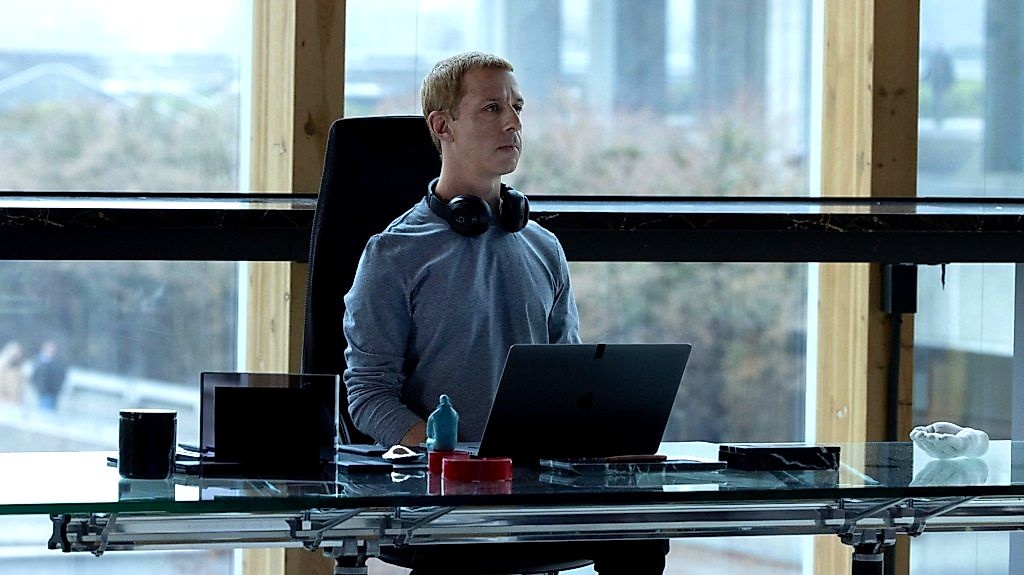
# Jeremy Allen White’s 15‑Year Facebook Investigation Takes Center Stage When Aaron Sorkin’s latest film, *The Social Reckoning*, rolls out, it feels less like a sequel to the 2010 breakout *The Social Network* and more like a pulse‑racing expose that revives the thrill of investigative journalism on the big screen.
Jeremy Allen White, who has already proven his chops in both indie dramas and mainstream comedies, steps into the shoes of a Wall Street Journal tech reporter in a world where news outlets are being eclipsed by the very platform they once helped build.
The film’s stakes are high: 2.9 billion users, a sprawling algorithm that can ignite wars, and a tech titan who refuses to admit any of his company’s practices are harmful. The movie’s premise is simple yet powerful.
White’s character, Jeremy Horwitz, receives a tip from a former Facebook employee, Frances Haugen, played by Mikey Madison.
Their uneasy partnership unearths a trove of internal documents—now known as the “Facebook Files” in the story—that lay bare the platform’s role in spreading misinformation, inflating political influence, and compromising teen mental health.
As the investigation unfolds, the film shifts from a quiet newsroom to the tense backrooms of a corporate power house, culminating in a congressional hearing where Zuckerberg, portrayed by Jeremy Strong, must face a barrage of questions that could alter the trajectory of the tech giant.
This cinematic adventure arrives at a time when social media’s reach feels almost god‑like. Meta’s transformation from a campus startup to a behemoth with a dominant share of American digital conversation makes the film’s narrative feel urgent.
It asks whether the old model of journalism can survive when the sources it relies on have become platforms for its own agenda.
The stakes of this story go beyond corporate drama; they touch on democracy, privacy, and the very nature of public discourse. ## Background & Context Aaron Sorkin’s reputation for razor‑sharp dialogue and relentless pacing makes *The Social Reckoning* an unexpected but welcome addition to the modern crime‑thriller landscape.
Sorkin himself began shaping the film after reading Frances Haugen’s *The Power of One* and Jeff Horwitz’s *Broken Code*, two works that expose the internal mechanics of a platform that once promised to connect humanity.
The film is Sorkin’s attempt to translate investigative journalism into cinema, borrowing the tense energy of *All the President’s Men* while placing it inside the digital age. He’s not merely recapping the rise of a billionaire; he’s interrogating the present consequences of that rise.
Jeremy Allen White, the film’s protagonist, carries the weight of the narrative. His portrayal is grounded in an earnest curiosity and a professional integrity that feels both familiar and fresh.
White is no stranger to roles that demand depth; his previous work in *The End of the F***ing World* and *The Last of Us* showed a knack for navigating complex character arcs.
In *The Social Reckoning*, he plays a tech reporter who, despite lacking technical knowledge, uses his journalistic instincts to piece together a narrative that challenges a multi‑billion‑dollar empire. Mikey Madison’s Frances Haugen is equally compelling.
A former Facebook engineer turned whistleblower, Haugen’s character provides the crucial insider perspective that fuels the investigation.
Her performance highlights the moral ambivalence of whistleblowing: she seeks to correct a course she believes has strayed from its original mission, but she also must protect herself from the repercussions of exposing corporate secrets.
Madison, whose Oscar‑winning role in *Anora* showcased her range, brings a subtle intensity to a character whose courage is both public and private. The supporting cast adds further depth.
Jeremy Strong’s Zuckerberg is a chilling embodiment of a man who has turned a social experiment into a global corporate titan. He is rehearsed by a crisis PR exec, a character portrayed by Betty Gilpin, who illustrates the polished façades that often mask internal turmoil.
Billy Magnussen’s Teddy Marks, a PR expert, is a sly reminder of the power that media spin holds over public perception. Wunmi Mosaku and Bill Burr lend gravitas and humor to the film’s ensemble, enriching the narrative tapestry.
The film’s production credits read like a who’s who of Hollywood talent. Sorkin, Peter Rice, Todd Black, and Stuart Besser all come aboard to shape a project that feels both timely and timeless.
The score, crafted by Alexandre Desplat, underscores the tension of every courtroom debate and every quiet moment of discovery, reinforcing the emotional stakes. ## What People Are Saying While *The Social Reckoning* is still a recent addition to the cinematic conversation, reactions are already hinting at its broader cultural relevance.
Critics who have seen the film note its faithful rendering of investigative journalism’s rigors, drawing parallels to real‑world stories that shook the tech industry. Viewers appreciate the film’s insistence on a clear narrative arc that traces how information—whether hidden or exposed—shapes public trust.
The dialogue, a hallmark of Sorkin’s style, feels both natural and incisive, making each exchange feel like a step in a larger investigative process. Audience responses, too, underscore the film’s resonance.
Many viewers, particularly those who grew up with Facebook and later encountered its darker facets, find the story unsettling and thought‑provoking. The depiction of how algorithms can amplify anger and misinformation echoes concerns voiced by scholars, policymakers, and everyday users alike.
The film’s portrayal of the whistleblower’s dilemma—balancing personal safety with the moral imperative to expose wrongs—sparks conversation about the responsibilities of tech employees and the courage required to speak out. Social media platforms themselves have become the theater for debate over the film’s themes.
Comment sections and online forums are buzzing with discussions about the film’s portrayal of the corporate media ecosystem, and how it mirrors current controversies around data privacy, content moderation, and political influence.
Some viewers point out that the film offers a reminder of why watchdog journalism remains vital, while others argue that it may oversimplify the complex ecosystem that powers today’s digital news cycle. the film’s depiction of a high‑stakes congressional hearing draws particular interest from those following political developments.
By showcasing how a tech executive confronts lawmakers, *The Social Reckoning* taps into the larger national conversation about regulation and accountability.
The tension between Zuckerberg’s stoic presence and the probing questions mirrors real‑world hearings, lending the film a sense of immediacy and realism that many find compelling. ## What Happens Next With *The Social Reckoning* already making waves, the future holds several promising directions.
The film’s successful blend of investigative drama and character study positions it as a potential springboard for future projects that examine the intersection of technology and society.
Sorkin, known for his adaptability, could explore other tech giants or even entirely different sectors where the boundaries between corporate ambition and public good blur. The narrative itself leaves room for a deeper dive into the consequences of the revelations.
The film hints at a broader, systemic overhaul, with the possibility of new regulations and corporate reforms. This offers a fertile ground for a potential sequel or a series that examines the ripple effects of the Facebook Files on global politics, mental health, and the very architecture of social media.
Should the filmmakers decide to extend the story, audiences would likely be eager to see the unfolding of a new investigative saga that follows the same reporter as he confronts other tech misdeeds.
From a broader industry standpoint, *The Social Reckoning* could influence the types of stories that find their way to the screen. It underscores a growing appetite for content that challenges powerful institutions while foregrounding the role of truth‑seeking journalism.
Other filmmakers might take inspiration from its blend of character depth, social relevance, and cinematic tension. In an era where news cycles are fleeting and social media dominates public discourse, there is a growing recognition that films can serve as both entertainment and a form of public education.
Meanwhile, audiences can anticipate discussions that may extend beyond the theater. Panels, forums, and academic courses might use the film as a teaching tool, exploring topics from media ethics to the mechanics of algorithmic influence.
The film’s impact could reverberate in classrooms, policy debates, and personal conversations, prompting viewers to question the platforms they use and the information they consume. In closing, *The Social Reckoning* is more than just a movie; it’s a cinematic mirror held up to society’s most pressing questions.
Jeremy Allen White’s earnest portrayal of a journalist fighting to reveal truth in a world where truth is often obscured offers a narrative that is as urgent as it is engaging.
As audiences continue to reflect on the film’s themes, it will likely remain a touchstone for conversations about technology, power, and the enduring importance of a free press.
At a Glance
- Jeremy Allen White leads a WSJ tech reporter who unearths Facebook’s hidden documents.
- The film centers on whistleblower Frances Haugen, exposing misinformation, political influence, and teen mental health risks.
- A tense congressional hearing forces Zuckerberg to confront lawmakers, raising questions about regulation and journalism’s future.
Why It Matters
Our Take
GoNews Pulse Editorial Team
This article was prepared for publication by GoNews Pulse and checked for publication requirements under our editorial standards. We review available information and correct material errors when they are identified.
Quick Answers
- What is the latest update on this story?
- Mikey Madison’s chilling portrayal of whistleblower Frances Haugen sparks debate over Facebook’s political manipulation.
- Who is this story about?
- This article covers developments related to Jeremy Allen White's Facebook Probe Reveals $2.9 Billion Conspiracy. GoNews Pulse's editorial team monitors the story and updates the article as new verified information becomes available.
- Where can I read more about celebrity news?
- GoNews Pulse publishes original reporting on celebrity news and related entertainment news. Visit the homepage or browse the section dedicated to this story for the latest coverage.
More From This Section

Jon Gosselin's 22‑Year‑Old Son Exposes Abuse, Father Shouts Support
Jon Gosselin declares that his son’s 22‑year‑old memoir exposes alleged institutionalization and a hidden ‘small holding’ cell, sparking a national debate.

Mike Colter's Valley Firm AGI Bo Revealed at 2:00 a.m. Shocks Fans
Rob McClure's portrayal of Bo forces the firm to confront a real‑world AGI asking for legal guardrails, sparking a tense ethical debate.

Meredith Grey's bed proposal to Nick on surgery table stuns fans
Meredith Grey slipped a ring into Nick's hand while he lay on the operating table, a move that stunned fans amid the bridge collapse.