
Jay Penske sues Golden Globe Foundation over $5 Million name‑hijack
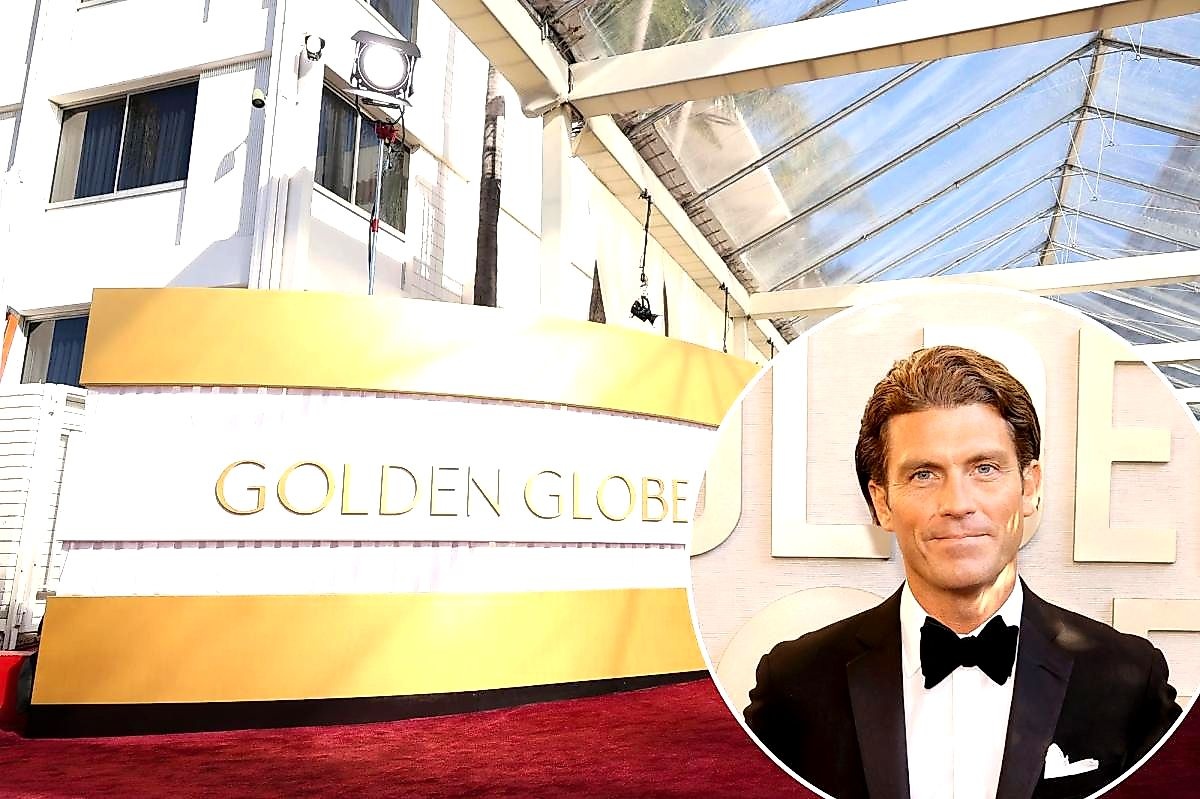
# Jay Penske Sues Golden Globe Foundation Over $5 Million Name‑Hijack The legendary “Globe” name has always been a point of contention, but the recent lawsuit between Jay Penske’s Golden Globes LLC and the Golden Globe Foundation has turned a long‑running feud into a courtroom spectacle.
The case hinges on whether the nonprofit, staffed largely by former HFPA members, has hijacked the award’s trademark while the new owners claim exclusive rights.
Penske, who assumed control of the Golden Globes in 2023 and banished the Hollywood Foreign Press Association (HFPA), has filed a federal complaint against the foundation.
The lawsuit alleges that the nonprofit—now led by former HFPA executive Raffi Boghosian—has used the Golden Globe name on merchandise, events, and grant announcements without permission.
In a twist, the foundation is also named as a defendant in a separate suit brought by former HFPA members against Penske and ex‑CEO Gregory Goeckner, a layer that has complicated an already tangled legal landscape. The battle matters because the Golden Globe name is a cultural touchstone.
It represents not only an awards ceremony but also a legacy of film and television recognition that has shaped careers for decades.
The dispute, if unresolved, could blur the line between a celebrated brand and a charitable entity, potentially altering how the awards are perceived and who ultimately benefits from their proceeds. ## Background & Context The HFPA had long been the guardian of the Golden Globe trophies.
In a high‑profile deal announced in June 2023, the association sold the award’s intellectual property to a partnership between media mogul Jay Penske and financier Todd Boehly’s Eldridge.
This sale was meant to bring fresh capital and stability to a ceremony that had faced criticism over its membership and selection process. Shortly after the transaction, a new nonprofit emerged: the Golden Globe Foundation.
Its board was largely composed of former HFPA members, and it positioned itself as a charity supporting press freedom and education. The foundation’s executive team, under Boghosian, began promoting the Golden Globe brand on grant dinners, auctions, and even merchandise.
One notable event was a $5 million grant dinner that benefitted 96 organizations—a headline that appeared to reinforce the foundation’s charitable mission. However, negotiations to license the name from Golden Globes LLC never produced a binding agreement.
Despite this, the foundation continued to use the name in public‑facing materials, including promotional posters and an online shop that sold “Golden Globe” apparel. The use of the singular “Globe” in these items sparked accusations of trademark infringement.
Complicating matters further, internal politics within the foundation saw former CEO Gregory Goeckner ousted by a board coup orchestrated by Boghosian.
Goeckner’s dismissal, coupled with the removal of outside legal counsel that was negotiating a license with Penske’s team, created an impression that the foundation was deliberately sidestepping established agreements.
At the same time, former HFPA members had filed a federal suit against both Penske and Goeckner, naming the foundation as a defendant.
The foundation was later removed from that lawsuit, leaving the parties in a legal standoff. ## What People Are Saying Golden Globes LLC’s complaint, filed in the Central District of California, claims that the foundation’s actions constitute “unauthorized use of the Golden Globe trademark” and threaten the integrity of the awards.
The suit seeks an injunction that would bar the foundation from using the name, as well as monetary damages, attorney’s fees, and costs.
Penske’s legal team, represented by Sidley Austin, argues that the foundation’s continued use of the brand effectively dilutes the award’s value and diverts charitable funds meant for widows, orphans, and other recipients.
From the foundation’s side, lawyer Nate Miller counters that the nonprofit was created in 2023 as part of the same deal that transferred ownership of the Golden Globe name to Penske and Boehly.
Miller’s statement highlights the foundation’s initial cooperation with the awards, noting that the first grants dinner celebrated a $5 million donation to 96 organizations and that the event was publicly supported by Penske’s own Robb Report.
He also points out that the foundation had planned to use the brand to support press freedom, a mission that should not be construed as a commercial enterprise.
Boghosian, in an email to foundation board members on October 1, warned that the lawsuit was a “transparent attempt to pressure the Foundation” and urged members to refrain from public commentary.
The message suggested that the foundation would fight the claim in court and that the organization would adopt a more proactive stance on media relations. This internal communication underscores the tension between the foundation’s charitable goals and its legal strategy.
The legal battle has drawn industry observers who note that the Golden Globe name has been challenged in a direct manner. Some insiders suggest that the dispute could set a precedent for how award trademarks are handled when ownership changes hands.
Others fear that the lawsuit might damage the brand’s reputation, especially if the narrative of a charitable organization being sued for using its own name spreads among viewers and donors. ## What Happens Next The lawsuit has been filed in federal court, and the next weeks will determine whether a preliminary injunction is granted.
If the court sides with Golden Globes LLC, the foundation would be barred from using the Golden Globe name until a resolution is reached—effectively putting a stop to its current grant dinners, merchandise, and public events that rely on the brand.
Should the injunction be denied, the foundation will likely continue its operations while the case proceeds.
The legal proceedings will force both sides to present evidence of trademark ownership and usage, potentially involving expert testimony on brand dilution, charitable use, and the impact of naming rights on public perception. Beyond the courtroom, the lawsuit may prompt a reevaluation of the awards’ future.
With the foundation and former HFPA members in the crosshairs, the new owners may seek to clarify the brand’s legal boundaries, perhaps through a formal licensing agreement or by rebranding the ceremony entirely.
The outcome could also influence how other award bodies manage intellectual property, especially when transitioning ownership or restructuring membership. For now, the industry watches closely, as the stakes are high.
A settlement could avert a prolonged battle, but it would also mean compromise on how the brand is used and who benefits from its legacy.
The next filings and hearings will likely reveal the legal underpinnings of this dispute, offering insight into whether the Golden Globe name can survive the clash between a powerful media conglomerate and a nonprofit rooted in the very institution it once governed.
In a world where names carry weight and legacies endure, the showdown between Jay Penske and the Golden Globe Foundation reminds us that even revered brands can become battlegrounds when ownership, intent, and identity collide.
The outcome will reverberate far beyond the courthouse, reshaping the narrative of one of Hollywood’s most storied accolades.
At a Glance
- Penske alleges the Foundation misused the Golden Globe trademark on merchandise, events, and grant dinners.
- The nonprofit, run by former HFPA members, was formed after the 2023 sale of the award’s IP and now faces a separate HFPA members suit.
- A court injunction could halt the Foundation’s use of the name, reshaping the awards’ future and charitable activities.
Why It Matters
Our Take
GoNews Pulse Editorial Team
This article was prepared for publication by GoNews Pulse and checked for publication requirements under our editorial standards. We review available information and correct material errors when they are identified.
Quick Answers
- What is the latest update on this story?
- The lawsuit claims the Foundation flaunted the Golden Globe name on merch and grant dinners, risking brand dilution and charity confusion.
- Who is this story about?
- This article covers developments related to Jay Penske sues Golden Globe Foundation over $5 Million name‑hijack. GoNews Pulse's editorial team monitors the story and updates the article as new verified information becomes available.
- Where can I read more about celebrity news?
- GoNews Pulse publishes original reporting on celebrity news and related entertainment news. Visit the homepage or browse the section dedicated to this story for the latest coverage.
More From This Section
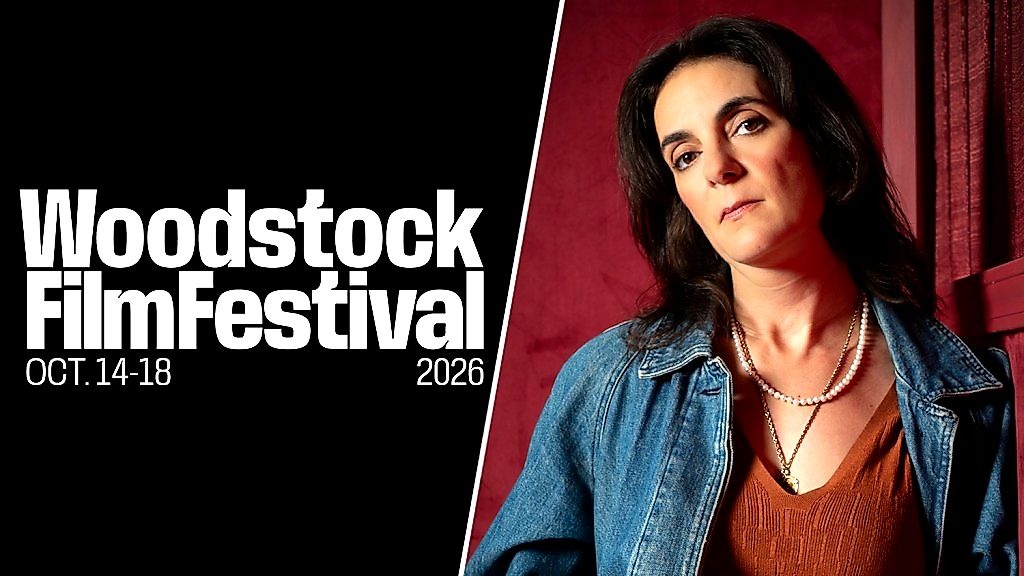
Jessica Edwards' 27-Year Legacy Shakes Woodstock Film Festival
Jessica Edwards announced she will double the festival’s screen time for women filmmakers, promising a new wave of diverse stories at next spring’s event.

Taylor Swift's 36-Year-Old Red Turns Chiefs Fans Into Celebrity Crowd
Swift's front‑row red turtleneck and a heartfelt hug to Donna Kelce at Arrowhead left fans stunned as Chiefs edged Chargers 33‑30 in overtime.
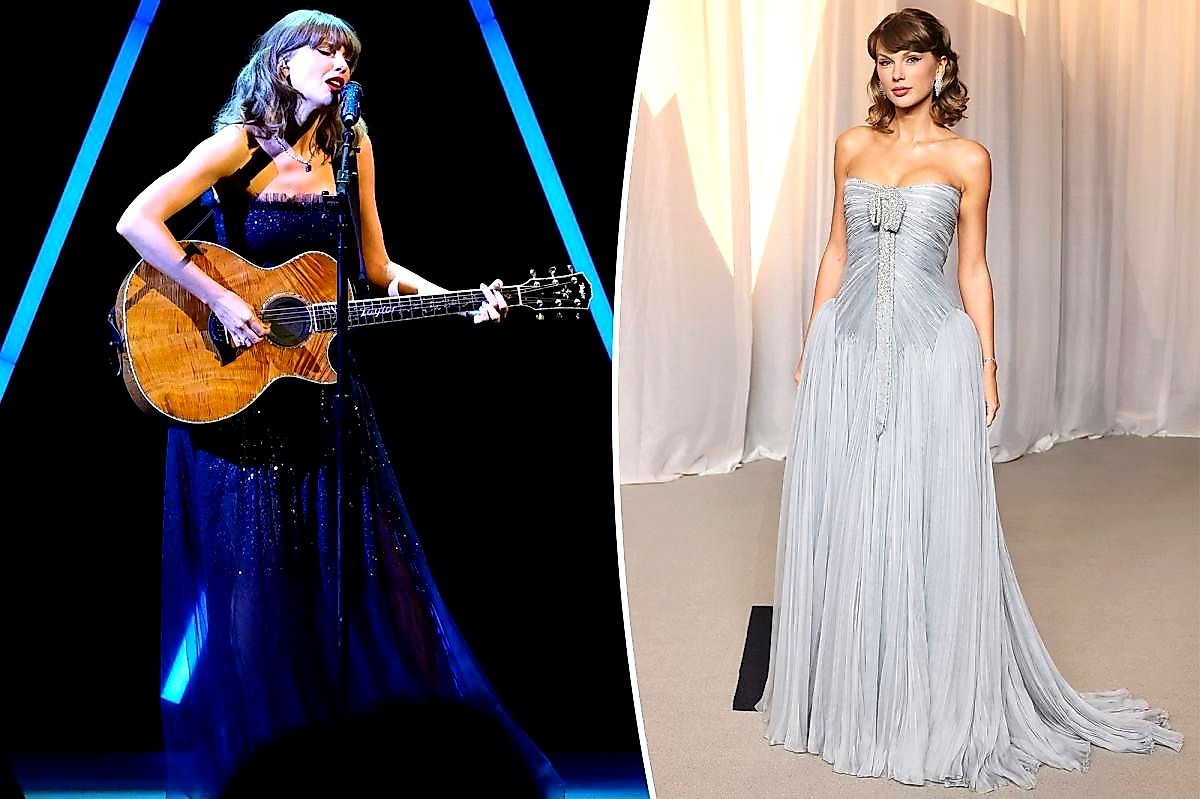
Taylor Swift's 36-year-old drops 'The Fate of Ophelia' at Academy Gala
She stunned in a strapless pale‑blue Dior gown, opening with a brand‑new Toy Story 5 track and a 'Blank Space' performance, showcasing her theatrical flair.