
Jay Baruchel Shares How ‘Stunt Driver’ Became a Decade‑Long White Whale
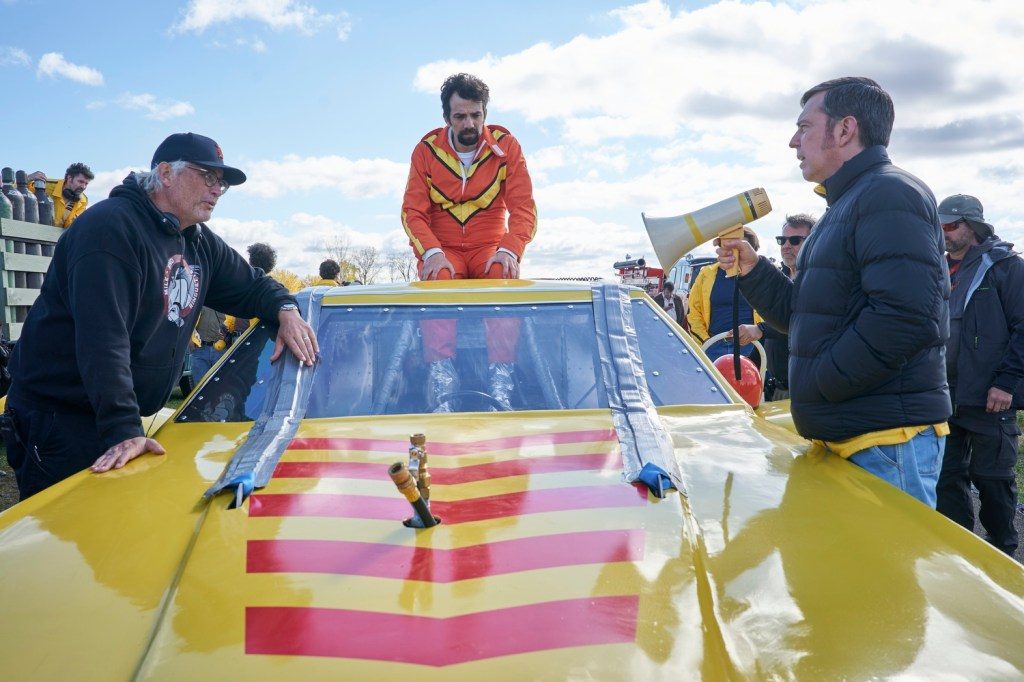
**Michael Dowse Calls “The Stunt Driver” His “White Whale” as Jay Baruchel Braces for Premiere**
The Canadian sports comedy *The Stunt Driver* hits the Royal Alexandra Theatre tonight as part of the Toronto Film Festival.
Director Michael Dowse, who has chased the film’s story for 12 years, calls it his “white whale.” Starring Jay Baruchel, the movie follows Ken Carter, Canada’s underdog stunt driver whose goal was a mile‑long rocket‑car jump across the St. Laurent River.
---
## A Tale That Took a Decade
Ken Carter’s quest is the film’s heart, and Dowse says he “was drawn by the spectacle of it all, the period and the character.” Carter is a real‑life Evel Knievel for Canada, born in 1951 in Toronto. After a string of high‑profile stunts in the 1970s, he set his sights on a daring jump over the St.
Laurent River—a feat that would require a custom rocket‑car and a thousand‑fold risk. The story is told through a blend of 16‑mm and 35‑mm footage that mirrors the era’s filmmaking aesthetics, adding authenticity to each frame.
The narrative is framed by documentary filmmaker Bob Fortier, whose 1981 doc *The Devil at Your Heels* inspired the narrative structure. Fortier’s own pursuit of a “real story” and his relationship with Carter becomes a sub‑plot that explores the blurred line between performance and truth.
By weaving documentary style into a feature film, Dowse invites viewers to question how history is told.
---
## From Pitch to Screen: Creative Process & Collaboration
Dowse explains the creative compromise: “the first step was…to use Bob Fortier as more of a character. Let’s use these three different aspect ratios.” This decision allowed the film to stay faithful to the original footage while giving modern audiences an immersive experience.
The three aspect ratios—16‑mm for Carter’s early days, 35‑mm for the climax, and a stylized widescreen for Fortier’s reflections—create a visual dialogue that mirrors the emotional arc of the story.
Baruchel, a longtime friend of Dowse, admits he “never once imagined myself in him” before reading the script. He added that the movie feels “like an earnest Ricky Bobby” – funny yet sincerely heartfelt. This comparison to the iconic 1970s Canadian comedy *Ricky Bobby* highlights the film’s blend of humor and poignancy.
The script was a collaborative effort between Dowse, Baruchel, and a small team of writers who spent months interviewing Carter, watching archival footage, and mapping out every twist. The result is a script that balances the adrenaline of stunts with the quiet moments of doubt and camaraderie.
---
## Production Challenges & Industry Impact
Financing came from Telefilm and SODEC, allowing the team to shoot 80 % of the film at a single location—the actual site of Carter’s jump, which was transformed into a “time‑machine set” that preserved the original landscape.
Dowse notes a single delay due to spring production timing, but the ramp and rocket car still mirrored Carter’s real‑world obstacles.
The production’s authenticity was further enhanced by consulting with stunt mechanics who worked on Carter’s original jump. They recreated the 1976 launch sequence using modern safety protocols while maintaining the reckless spirit that made Carter a legend.
The film’s release has already begun to reshape how Canadian cinema approaches biographical storytelling. By integrating documentary footage with fictional narrative, *The Stunt Driver* sets a new standard for hybrid storytelling.
Producers are now keen to explore similar blends in sports, music, and political dramas, recognizing the audience’s appetite for stories that feel both real and cinematic.
---
## Fan Reaction & Community Engagement
Since its teaser release, the film has ignited conversations across social media and fan forums. Longtime Carter fans, many of whom grew up watching his feats on CBC’s *Hockey Night in Canada*, shared nostalgic photos and stories.
A trending hashtag, #StuntDriverReboot, saw fans posting clips of their own backyard stunts—some even attempting mini‑versions of the famous jump.
The local community around the St. Laurent River rallied to support the film’s release. A small exhibition was set up at the Riverfront Museum featuring Carter’s original gear, photographs from the 1970s, and a short documentary on his life.
The museum’s curator noted that “the film has brought new visitors who were previously unaware of this chapter in Canadian sports history.”
Baruchel’s presence at the premiere was a highlight for fans. During the opening remarks, he shared a heartfelt anecdote about Carter’s generosity: “Ken never expected anyone to make his dream a reality. He gave us a chance and believed in us, and that’s what made this film possible.”
---
## Behind the Scenes: Technical Mastery
The stunt sequence itself was a marvel of engineering. The rocket‑car was built by a team of retired mechanics who had worked on similar projects in the 1970s. They used a custom-built fuel system that mimicked the original’s “black‑oil” propellant while complying with modern safety standards.
Lighting was carefully choreographed to capture the “golden hour” of the 1976 launch. The cinematographers employed a combination of drone footage and ground‑level shots, giving viewers the sensation of soaring over the river just as Carter did.
The sound design—an eclectic mix of 1970s rock, ambient river noises, and the thunderous roar of the rocket—was layered to create an immersive audio landscape that complements the visual spectacle.
---
## Industry Impact & Future Projects
Dowse and Baruchel’s collaboration extends beyond this film. They are developing a sitcom that will showcase Baruchel’s comedic timing and Dowse’s knack for grounded storytelling. The premise revolves around a quirky group of small‑town athletes who dream big, mirroring the spirit of *The Stunt Driver*.
Baruchel is also pursuing a WWII pilot epic about George Beurling, the legendary “Ace of Aces.” His dual focus on historical biopics and contemporary comedy suggests a versatile approach that could appeal to both mainstream audiences and niche markets.
Meanwhile, Dowse’s reputation as a director who can blend humor with gravitas positions him as a sought‑after filmmaker for projects that need a balance of heart and spectacle.
---
## A White Whale Captured
The premiere tonight marks the culmination of a decade‑long pursuit, and the film’s release sets the stage for their next collaborative adventures. Dowse’s “white whale” has finally been caught, offering a story that celebrates risk, resilience, and the indomitable spirit of a Canadian icon.
As audiences flock to the Royal Alexandra Theatre, they’re not just watching a movie—they’re witnessing a cultural milestone that bridges past and present, fiction and reality.
With *The Stunt Driver* as its flagship, Canadian cinema stands poised to explore more stories that combine daring action with heartfelt narratives, ensuring that the legacy of Ken Carter—and the creative partnership of Dowse and Baruchel—continues to inspire future generations.
Why It Matters
Our Take
GoNews Pulse Editorial Team
This article was prepared for publication by GoNews Pulse and checked for publication requirements under our editorial standards. We review available information and correct material errors when they are identified.
Quick Answers
- What is the latest update on this story?
- Michael Dowse calls ‘Stunt Driver’ a treasure hunt, and Jay Baruchel says each stunt feels like a gold mine.
- Who is this story about?
- This article covers developments related to Jay Baruchel Shares How ‘Stunt Driver’ Became a Decade‑Long White Whale. GoNews Pulse's editorial team monitors the story and updates the article as new verified information becomes available.
- Where can I read more about Michael Dowse?
- GoNews Pulse publishes original reporting on Michael Dowse and related entertainment news. Visit the homepage or browse the section dedicated to this story for the latest coverage.
Related topics
- #Michael Dowse
- #Jay Baruchel
- #Ken Carter
- #Canadian cinema
- #St. Laurent River
More From This Section
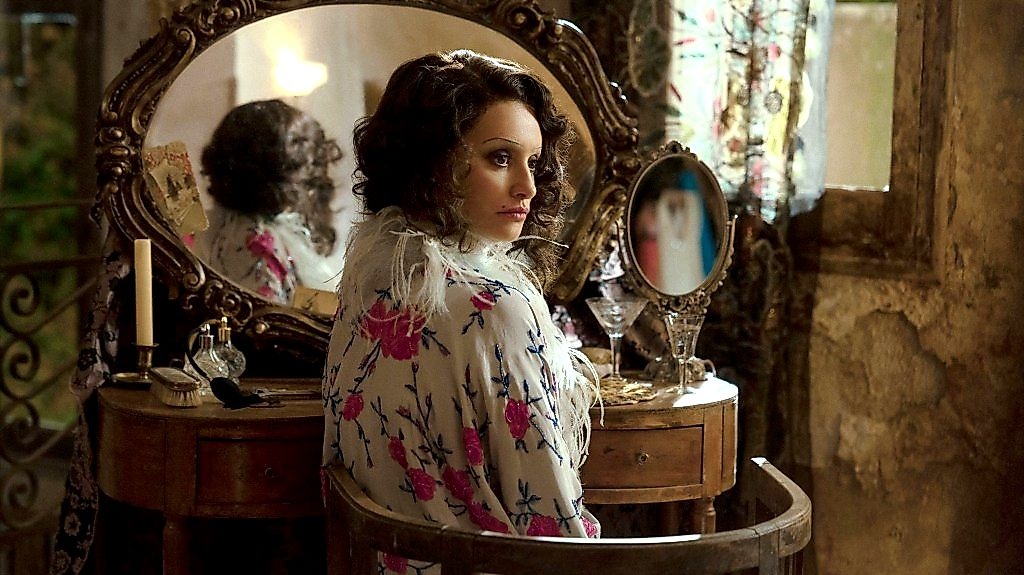
Netflix's $277k box office break shatters streaming dominance
The film earned $108.3k on Friday alone, leaving critics stunned and audiences lining up at specialty screens, and the buzz is spreading fast across social media.
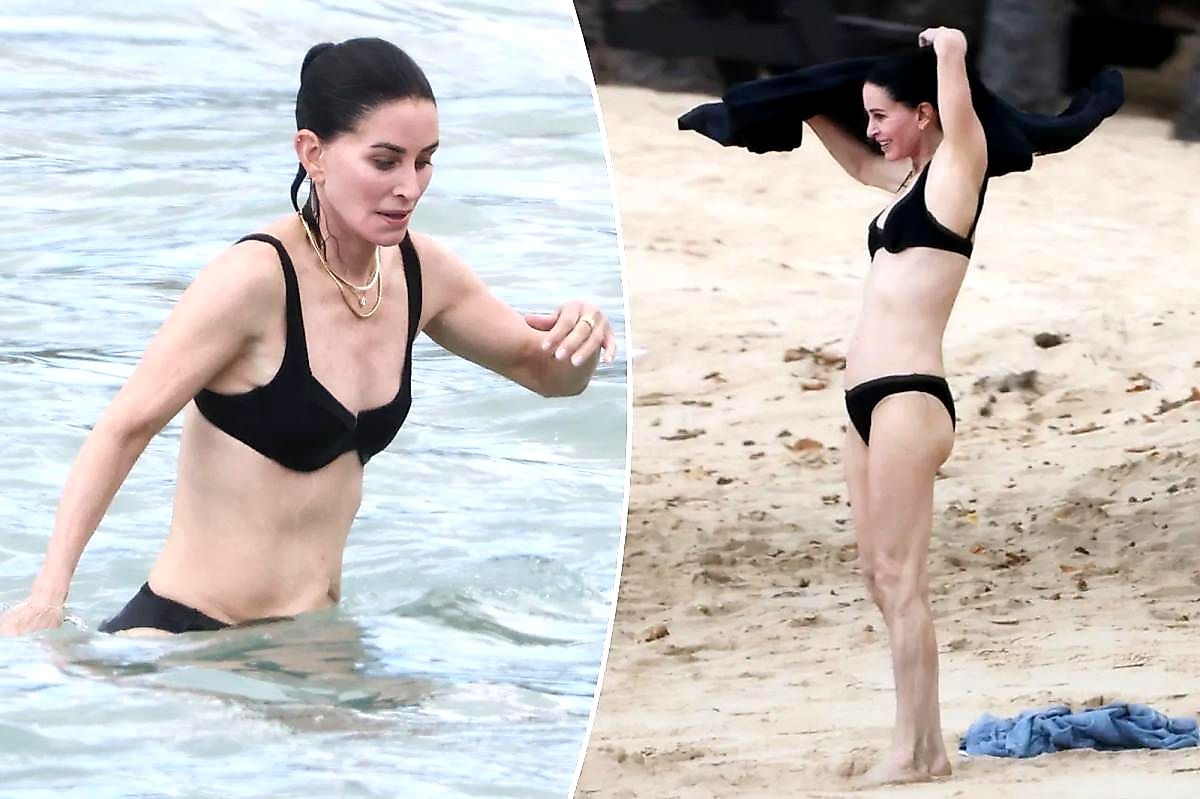
Courteney Cox 62 Turns Heads in Black Bikini on Hawaiian Beach
At Jennifer Meyer’s wedding, 62‑year‑old Courteney Cox stunned guests in a sleek black bikini, revealing a new fitness‑focused lifestyle that fans are buzzing about.
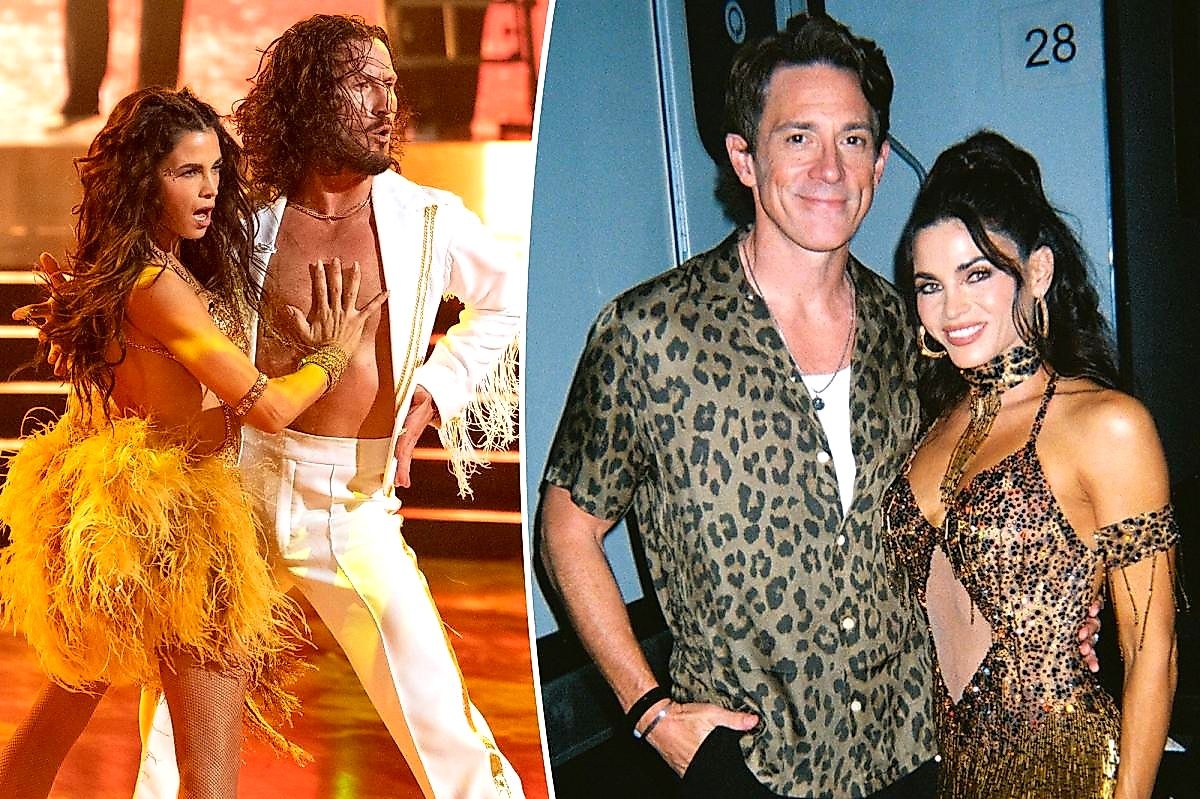
Steve Kazee's 'We Got You' Post Spurs Jenna Dewan After Val Suspension
Kazee wrote, 'Every time I think I can’t love you more…' as Jenna faced a sudden partner change right before the live finale.