
Janet Jackson's 2004 "malfunction" sparked a shock, designer says
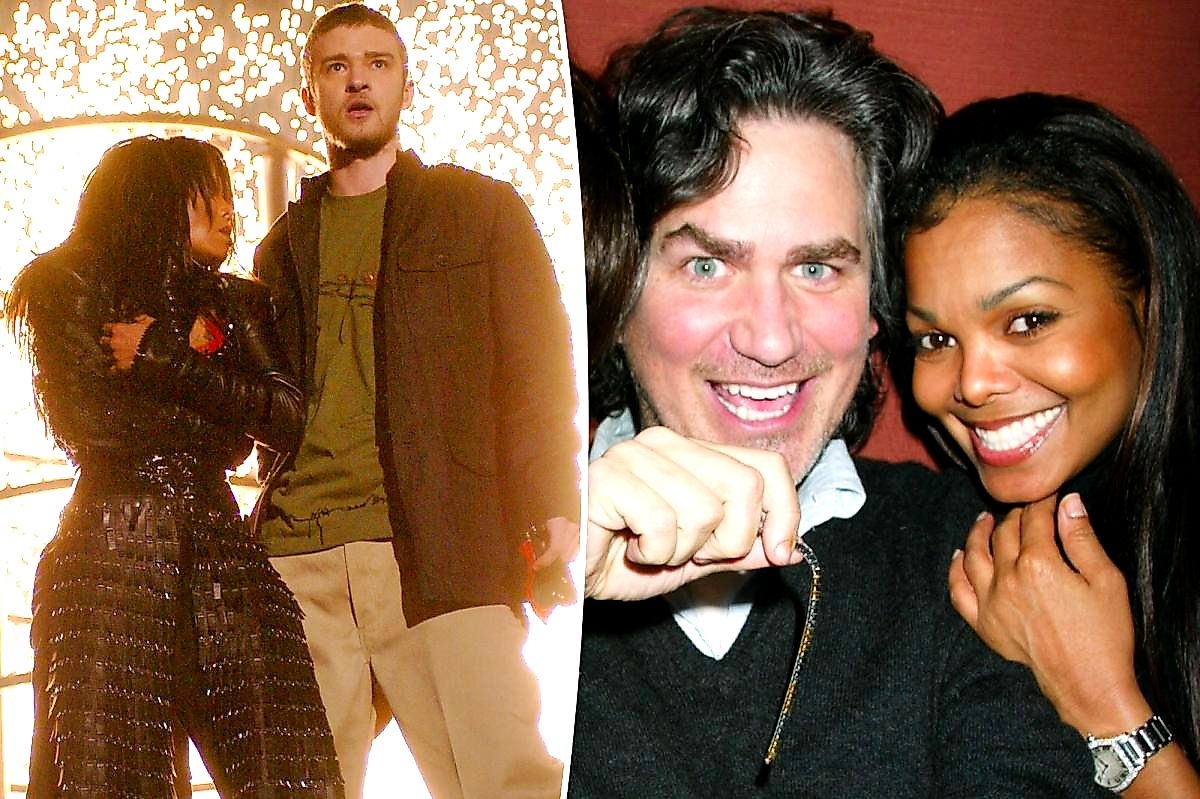
# **Janet Jackson’s Designer Reveals That 2004 Super Bowl “Malfunction” Was a Planned Shock Value Move** The night that the world watched a half‑second reveal become a cultural landmark may have been more orchestrated than spontaneous.
He says the wardrobe mishap that shocked viewers was a calculated decision to outshine a 2003 pop spectacle and to create a new, buzz‑worthy moment in live television. The incident unfolded when Justin Timberlake and Janet Jackson performed during the halftime show of Super Bowl XVIII.
The show was intended to feature a surprise costume reveal that would keep the audience’s eyes on the performers. In the chaos that followed, a portion of Jackson’s top was torn away, exposing more than the producers had anticipated.
The event drew a massive audience and immediately sparked outrage, prompting an investigation by the Federal Communications Commission and a flurry of public apologies. For a decade, the narrative has been that the expose was an accidental slip—a moment that cost Jackson a reputation and a lucrative career.
Lukas claims that, in reality, the design was intentionally constructed to generate the shock value that would secure a place in pop history.
He reveals that the plan involved a deliberate “breast‑exposing” element that would be triggered by Timberlake’s action, a detail that has not been publicly confirmed until now. ## Background & Context The 2004 halftime show, curated by MTV and the NFL, was a high‑stakes production meant to unite pop culture with a live sporting audience.
Janet Jackson’s team had been working on a bold, avant‑garde performance that included elaborate choreography and an innovative wardrobe concept. Wayne Scot Lukas, Jackson’s trusted fashion designer, was instrumental in shaping the visual aesthetic of the show.
The original concept involved a G‑string and a rearward reveal, a plan that was ultimately altered two days before the broadcast. The impetus for the change, Lukas says, came from a desire to eclipse the viral moment created by Britney Spears, Madonna, and Christina Aguilera during a 2003 MTV Video Music Awards kiss.
“When we saw what they did, we realized we needed to create something even more striking,” he explains. “The goal was to generate an instant, unforgettable memory that would dominate headlines.” The design process was swift and secretive.
Lukas notes that he redesigned the ensemble just days before the show, ensuring that the costume’s hidden elements would be revealed at the precise moment of the performance.
He also says that the decision to expose Jackson’s breasts was tied to a choreographic cue involving Timberlake, who was to tear off a portion of the top. The intent was to create a shocking visual that would keep the audience’s attention locked on the stage.
The plan, however, did not account for the production’s live‑broadcast logistics. Consequently, the incident unfolded without a pre‑planned cut to black or any other mitigating measures.
When the moment aired, the live audience was caught off guard. Jackson’s sudden exposure prompted immediate public backlash, with over half a million complaints.
The Federal Communications Commission, which regulates broadcast standards, opened an investigation into the incident.
The fallout extended beyond the immediate broadcast; Jackson was pressured to withdraw from the 2004 Grammy Awards, and her music videos were temporarily banned from MTV and other networks. ## What People Are Saying Wayne Scot Lukas’s revelations challenge the prevailing narrative that the moment was a regrettable accident.
He says that, contrary to public perception, the design was intentionally provocative. “I was told that we were going to make something that would be unforgettable, something that would be remembered for years,” he states.
The designer also expresses frustration with the production’s handling of the incident. He claims that the MTV producers failed to cut to black after Timberlake tore off the top, resulting in an extended moment that amplified the backlash.
Lukas is also critical of Justin Timberlake’s role in the incident. He claims that Timberlake was eager to create a more dramatic reveal than the 2003 MTV kiss.
“He insisted on doing something bigger than what they had done before,” he says. Timberlake pushed the boundaries to ensure that the show would eclipse prior pop moments.
However, Lukas notes that the singer has not publicly apologized for the incident, a fact he finds unsettling. “He never made up with any of us,” he says, emphasizing the lingering tension between the parties involved.
The designer also addresses the media’s treatment of the event. He claims that he has remained silent in the years following the Super Bowl to protect his friend Janet.
“I had to stay quiet for my friend Janet — and I did,” he says. In the face of a planned Apple TV docuseries on Timberlake’s career, Lukas insists that he has not been invited to participate.
“I’m the only one who really knows what happened, because I designed the outfit, made the outfit, and changed the outfit two days before the actual production,” he tells the press.
He adds that, while he does not expect an apology from Timberlake, he hopes the singer will confront the truth about the incident in the upcoming series. Public reaction to Lukas’s claims has been polarized.
Some fans and critics argue that he is merely shifting blame and deflecting from the broader conversation about broadcast decency. Others see his revelations as a necessary correction to the narrative that has framed Jackson’s career in the negative.
The debate has also resurfaced the conversation about the impact of the incident on Jackson’s legacy.
In a 2022 Lifetime documentary, Jackson herself described the incident as “blown way out of proportion,” suggesting that the moment was taken out of context by the media and the public. ## What Happens Next The conversation surrounding the 2004 Super Bowl moment is far from over.
The upcoming Apple TV docuseries on Justin Timberlake is expected to bring renewed scrutiny to the event. Lukas hopes that the series will provide an honest look at the incident, giving audiences a clearer understanding of the factors that led to the wardrobe reveal.
“He needs to tell the truth,” he says, implying that the current narrative is incomplete. Beyond the docuseries, the legal and contractual ramifications of the incident still linger.
Lukas reveals that he had moral clauses in his contract that were affected by the fallout. “We all lost a lot of work,” he says.
The fallout extended beyond the immediate broadcast, with his work on Jackson’s subsequent projects affected by the backlash. Whether the industry has fully moved on from the 2004 controversy remains uncertain.
Many in the fashion and music communities have expressed support for both Jackson and Timberlake, acknowledging that the incident was a mistake that was magnified by the rapid spread of media coverage. As for Jackson herself, she has continued to work in music and entertainment.
She maintains a quiet public presence, occasionally reflecting on the Super Bowl incident. In recent interviews, she has reiterated that the moment was an accident, but now she acknowledges that the story has evolved to incorporate perspectives from those who were directly involved.
“It was an accident that should not have happened, but everyone is looking for someone to blame and that’s gotta stop,” she says, echoing the sentiment that the incident has been misinterpreted for years.
The fallout from the 2004 Super Bowl has left a lasting imprint on how live broadcast performances are regulated and how artists approach risk and spectacle. The incident led to tighter guidelines for live television and heightened scrutiny of performer wardrobe choices.
Meanwhile, the narrative has shifted from an isolated incident to a broader conversation about media responsibility and the intersection of pop culture and broadcast standards. In the end, the 2004 Super Bowl moment remains a pivotal point in pop history—one that continues to be dissected and debated.
Wayne Scot Lukas’s revelations add a new layer to the story, suggesting that the wardrobe “malfunction” was part of a carefully crafted plan that, for better or worse, changed the course of a generation’s expectations for live performance and broadcast decency.
The conversation is ongoing, and the full truth may yet emerge in the years to come.
At a Glance
- Wayne Scot Lukas claims the infamous Super Bowl wardrobe "malfunction" was pre‑planned to create shock value.
- Design alteration aimed to eclipse 2003 MTV kiss by Britney Spears, Madonna and Christina Aguilera.
- The incident prompted 111 million viewers, FCC investigation, and lasting changes in live broadcast standards.
Why It Matters
Our Take
GoNews Pulse Editorial Team
This article was prepared for publication by GoNews Pulse and checked for publication requirements under our editorial standards. We review available information and correct material errors when they are identified.
Quick Answers
- What is the latest update on this story?
- Wayne Scot Lukas says the wardrobe "malfunction" was pre‑planned to eclipse Britney Spears' 2003 MTV kiss and shock 111 million viewers.
- Who is this story about?
- This article covers developments related to Janet Jackson's 2004 "malfunction" sparked a shock, designer says. GoNews Pulse's editorial team monitors the story and updates the article as new verified information becomes available.
- Where can I read more about celebrity news?
- GoNews Pulse publishes original reporting on celebrity news and related entertainment news. Visit the homepage or browse the section dedicated to this story for the latest coverage.
More From This Section
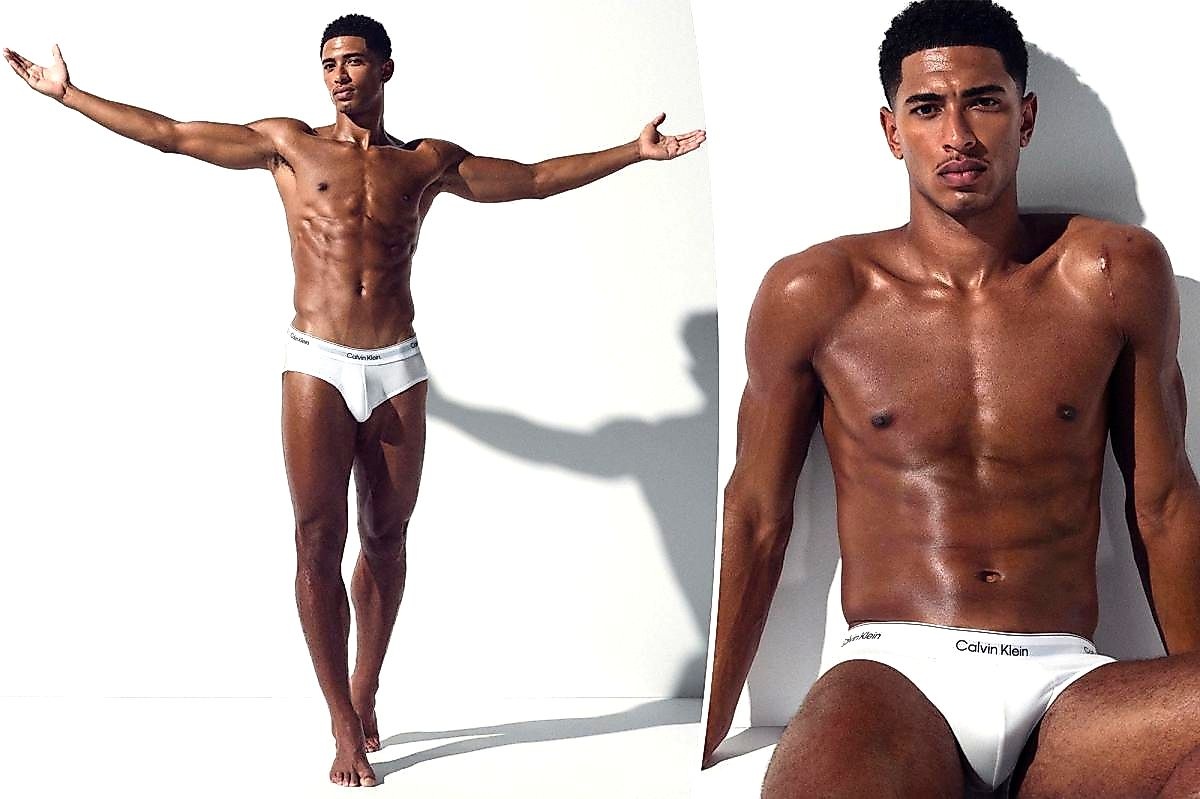
Jude Bellingham's 21‑year‑old turns Manhattan into a hotspot
The features Bellingham in tighty‑whities, turning commuters into spontaneous photo‑journalists as cars pull over to record the moment.
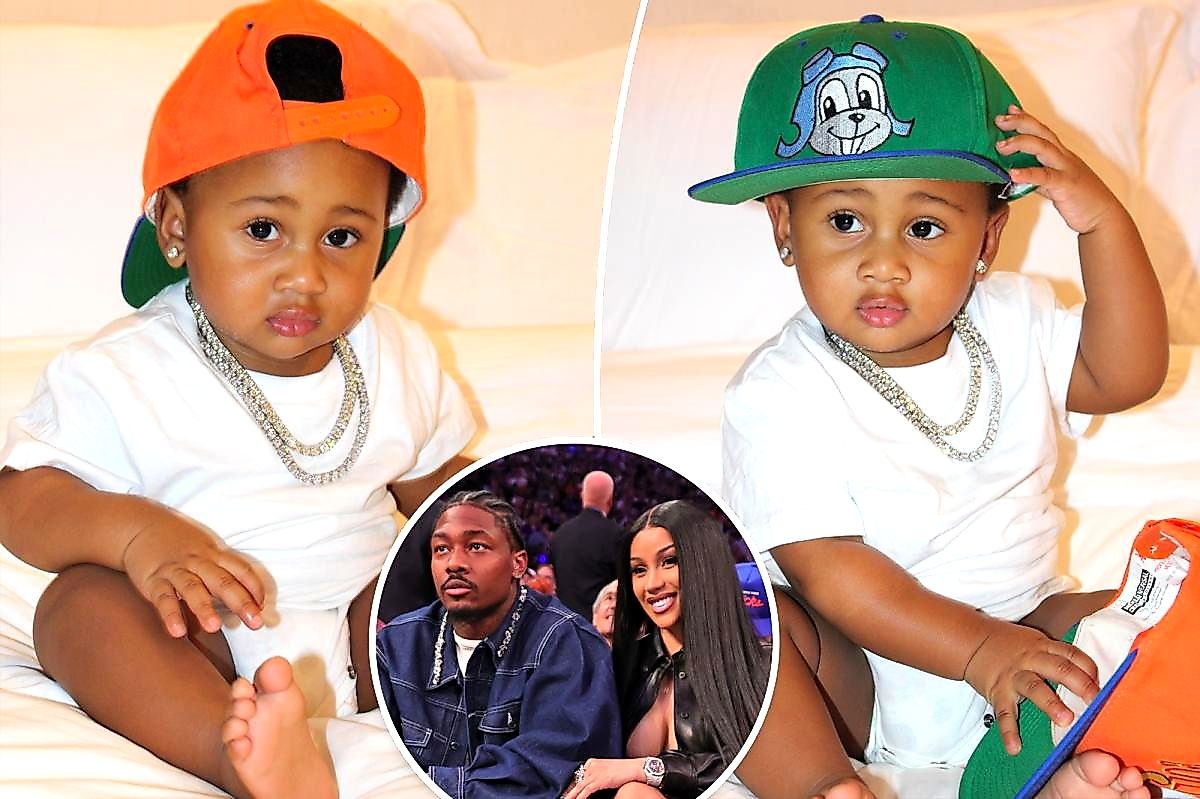
Cardi B Reveals Grey M.D.'s First Birthday, Name Sparks Fans' Awe
Cardi B’s Instagram caption, “It’s only been 1 year since meeting you but it feels like I’ve had you at my side forever,” shows Grey in a tiny bed, reactions.

Gary Sinise’s 33‑Year‑Old Son’s Final Battle Shocks Hollywood
Sinise said his son fought 25 drugs over 4.5 years, a fight that moved fans to tears and sparked a nationwide conversation about caregiver burdens.