
Foxx begged Tarantino to ditch dark scene to shield Kerry Washington
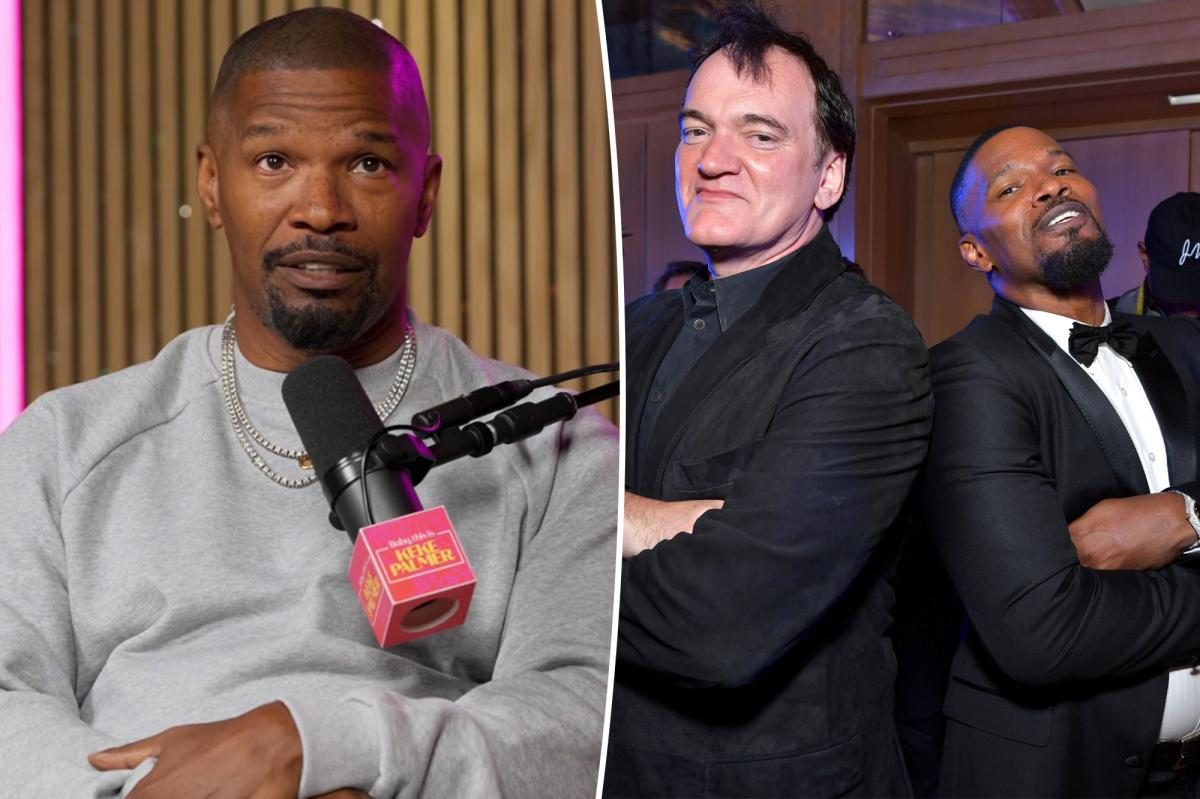
**Jamie Foxx Says He Asked Quentin Tarantino to Cut a “Rape” Scene From “Django Unchained”**
Jamie Foxx revealed on a recent episode of the *Keke Palmer* podcast that he personally requested director Quentin Tarantino pull a controversial scene from the 2012 film *Django Unchained*. The cut involved a depiction of both his character, Django, and Kerry Washington’s Broomhilda von Shaft being subjected to sexual violence.
Foxx said the decision was made out of respect for Washington’s future career and to avoid any misinterpretation that could arise from the final cut. The conversation shed new light on the making of a movie that has been both celebrated and criticized for its unapologetic violence and use of racial slurs.
The podcast exchange was brief but loaded with context. Foxx explained that during early drafts of the script, there was an “outlandish” scene where Django and Broomhilda are raped.
He argued that such a moment could become “bombastic” if it were left on screen, especially in a climate where content can be stripped from its original context and re‑shared in new ways. “Movies are forever,” he said, emphasizing how a single frame can shape an actor’s public perception for years to come.
*Django Unchained*, released in 2012, quickly became Quentin Tarantino’s highest‑grossing film and the most successful Western at its debut. While critics praised its bold storytelling and fresh take on the genre, many also condemned its explicit content and repeated use of the N‑word.
The film ultimately raked in nearly $450 million worldwide, both its commercial appeal and the polarizing nature of its narrative.
## Background & Context
*Django Unchained* tells the story of a freed slave who partners with a German bounty hunter to rescue his wife from a cruel plantation owner. The plot intertwines elements of Westerns, revenge dramas, and historical commentary, creating a hybrid that feels both familiar and unsettling.
Tarantino’s signature approach—long dialogue scenes, sharp humor, and graphic violence—shines through every frame.
The film’s production history is equally compelling. After the success of *Inglourious Basterds* in 2009, Tarantino was eager to revisit the South while avoiding a direct sequel. He enlisted a mix of seasoned veterans and fresh talent, which included Jamie Foxx and Kerry Washington.
At the time, Washington had not yet become the powerhouse she is today with *Scandal* and *When They See Us*. Foxx noted that Washington’s career was still in its nascent stages, a fact that weighed heavily in his decision to protect her image.
Tarantino’s reputation for blending humor and brutality made him both a revered and controversial figure. Yet he has also shown a willingness to adapt when actors raise concerns. In *Django Unchained*, it was reportedly this collaborative spirit that allowed the scene to be removed without compromising the story’s core.
## What the Actors Said
During the podcast, Foxx articulated his motivation: “I wanted to make sure we protected Kerry.” He went on to explain that a “bombastic” depiction could be taken out of context, potentially damaging an actor’s reputation.
The comment about Olivia Pope—although it seemed to reference Washington’s future role—underscored Foxx’s awareness of the long‑term impact on her career.
Foxx also revealed that he spoke directly with Tarantino about the scene. “I let him know we needed more weight for Broomhilda’s portrayal,” he said. Foxx, Tarantino was surprisingly accommodating.
The director reportedly reworked the sequence to focus on the emotional journey rather than graphic detail. Foxx described the original idea as an “omelette” of violent elements, a chaotic mix that would have felt jarring in a film already heavy with intensity.
Washington’s input was crucial, though she has kept her comments private. The partnership between Foxx and Washington exemplifies how actors can collaborate to safeguard each other’s artistic integrity, especially when dealing with sensitive subject matter.
## Fan Reaction
The revelation sparked a flurry of conversation on social media. Fans of the film were divided, reflecting the broader split in its reception. On one side, many praised Foxx for his proactive stance and highlighted how the removal of such a scene aligned with emerging norms around sexual violence in media.
“It’s great that we’re seeing more respect for actors’ boundaries,” wrote a user on Twitter. Others felt that the scene, while uncomfortable, was integral to the harsh reality of slavery and should have remained as a stark reminder of historical trauma.
The debate extended beyond the general audience. Activist groups focusing on sexual violence in media took note, . A representative from a women’s rights organization commented, “This is a positive sign that actors and directors are willing to engage in dialogue about sensitive content.”
Meanwhile, some critics argued that cutting the scene diluted the film’s impact. They suggested that the removal could lessen the audience’s understanding of the brutality endured by enslaved individuals. This viewpoint resonated with fans who had initially chosen *Django Unchained* for its raw portrayal of Southern racism.
## Analysis: Production Choices and Actor Protection
The decision to excise a potentially harrowing scene demonstrates how film productions can balance artistic vision with actor welfare. By altering the script, Foxx and Washington aimed to mitigate long‑term reputational risk—a concern that has become increasingly relevant in the age of digital archiving.
In an industry that is still adapting to the cultural shifts brought on by the #MeToo movement, this example showcases a growing trend toward sensitivity around depictions of sexual violence.
Directors are no longer solely in control; they must collaborate with performers, writers, and sometimes advocacy groups to ensure responsible storytelling.
The practice of revising scripts after initial shooting is not new—many films undergo significant changes during post‑production. However, the public nature of this particular conversation adds a layer of transparency that was previously uncommon.
By sharing the behind‑the‑scenes decision with audiences, Foxx and Tarantino invite a broader dialogue about ethical filmmaking.
## Industry Impact
The ripple effects of this decision extend beyond *Django Unchained*. For studios, it underscores the importance of pre‑emptive discussions about potentially problematic content.
Producers are increasingly incorporating sensitivity readers and consultants into the script‑development process, especially for stories rooted in historical trauma.
For Tarantino’s career, the removal of the scene has nuanced implications. While some fans view it as a concession to political correctness, others applaud his flexibility. Either way, it signals that even auteurs known for their uncompromising vision can adapt when necessary.
the conversation set a precedent for future collaborations between actors and directors. It demonstrates that actors—especially those early in their careers—can wield influence over the final cut, protecting their own image and ensuring the story remains respectful.
In turn, this empowers performers to speak out on issues that matter to them without fear of retribution.
## Conclusion
Jamie Foxx’s disclosure offers a rare glimpse into the delicate negotiations that shape a film’s final form. By asking Quentin Tarantino to cut a controversial scene, Foxx not only protected Kerry Washington’s reputation but also contributed to an evolving conversation about representation, consent, and the responsibilities of Hollywood.
The episode serves as a reminder that movies endure long after the credits roll. Choices made during pre‑production can reverberate through careers and cultural memory alike.
As the industry continues to confront complex issues of representation and violence, dialogues like this one—between actors, directors, and audiences—will remain essential in crafting cinema that is both impactful and ethically sound.
Why It Matters
Our Take
GoNews Pulse Editorial Team
This article was prepared for publication by GoNews Pulse and checked for publication requirements under our editorial standards. We review available information and correct material errors when they are identified.
Quick Answers
- What is the latest update on this story?
- Foxx pushes Tarantino to cut a scandalous rape scene, sparking debate over star protection and creative freedom.
- Who is this story about?
- This article covers developments related to Foxx begged Tarantino to ditch dark scene to shield Kerry Washington. GoNews Pulse's editorial team monitors the story and updates the article as new verified information becomes available.
- Where can I read more about Jamie Foxx?
- GoNews Pulse publishes original reporting on Jamie Foxx and related entertainment news. Visit the homepage or browse the section dedicated to this story for the latest coverage.
Related topics
- #Jamie Foxx
- #Quentin Tarantino
- #Django Unchained
- #Kerry Washington
More From This Section

Jon Gosselin's 22‑Year‑Old Son Exposes Abuse, Father Shouts Support
Jon Gosselin declares that his son’s 22‑year‑old memoir exposes alleged institutionalization and a hidden ‘small holding’ cell, sparking a national debate.

Mike Colter's Valley Firm AGI Bo Revealed at 2:00 a.m. Shocks Fans
Rob McClure's portrayal of Bo forces the firm to confront a real‑world AGI asking for legal guardrails, sparking a tense ethical debate.

Meredith Grey's bed proposal to Nick on surgery table stuns fans
Meredith Grey slipped a ring into Nick's hand while he lay on the operating table, a move that stunned fans amid the bridge collapse.