
James McAvoy's 47-Year-Old Lungs Collapse After Biopsy
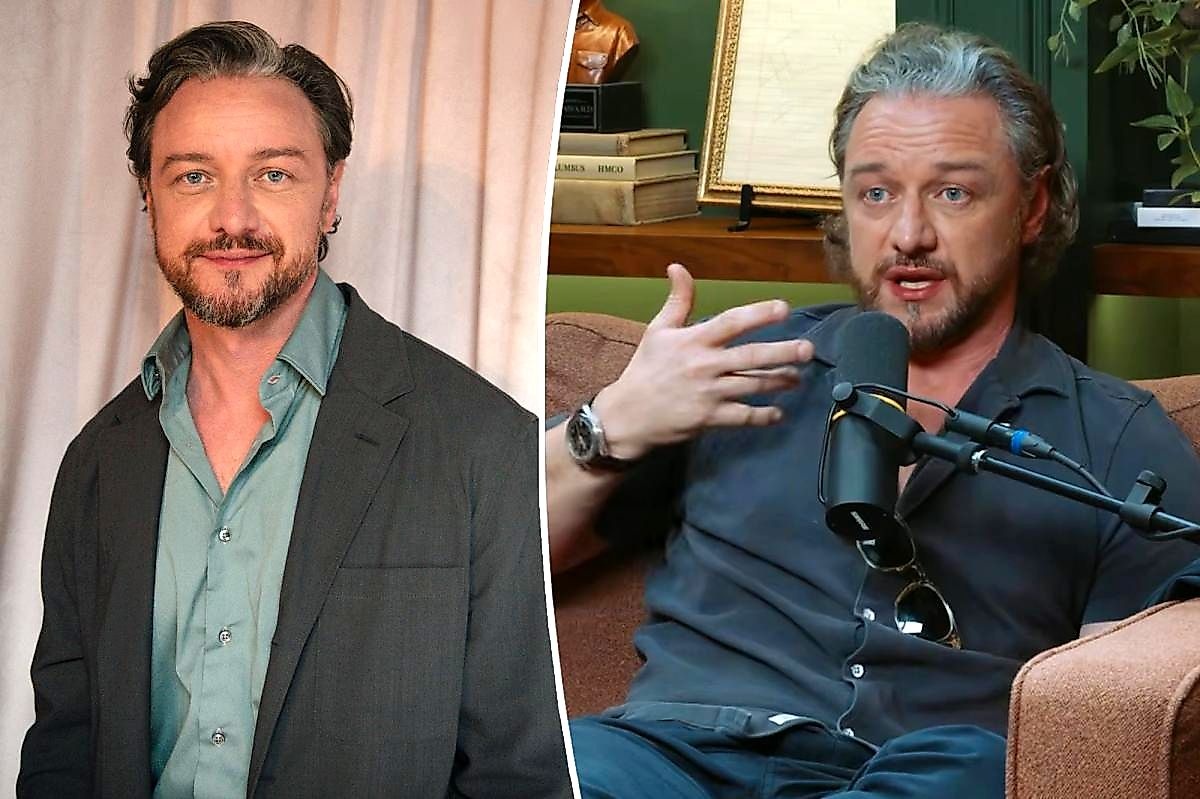
# James McAvoy Almost Dies When Lungs Collapse After Biopsy—His Harrowing Recovery In a chilling confession aired on Dax Shepard’s “Armchair Expert,” actor James McAvoy revealed that a routine lung biopsy spiraled into a near‑fatal crisis that left him battling collapsed lungs, weeks of intensive treatment, and a grueling recovery that nearly derailed a major film project.
At 47, the Scottish star said the incident forced him to confront a terrifying medical emergency that demanded both body and mind to heal before he could return to the set of a high‑profile thriller. McAvoy’s story began with what was meant to be a quick diagnostic check.
“I had a lung puncture [sic] … they saw a shadow in my lung, so they wanted to biopsy it to see if it was cancer, which it wasn’t, which was great,” he told listeners. Yet the procedure went awry, and he soon found himself fighting for survival.
“But that was botched, and I nearly died,” he continued. “I was at home two days later, and my lungs just collapsed in bed one night.
And I was on my own as well, so it was crazy.” The collapse was sudden and severe, prompting a swift transfer to the hospital where a team of doctors wrestled with his damaged lungs for weeks. The impact rippled beyond the operating room.
McAvoy had just begun filming “Glass,” the 2019 sequel to the psychological thriller “Split.” As he prepared to embody the terrifying “Beast,” the actor faced the challenge of returning to peak physical condition while recovering from a life‑threatening condition.
His account paints a vivid picture of the surgical and rehabilitative journey that followed—a journey that tested the limits of a professional athlete’s resilience and the medical system’s capacity to repair. ## Background & Context The lung puncture began as a precautionary measure.
During routine imaging, physicians noticed an unusual shadow in McAvoy’s lung, prompting a biopsy to rule out cancer. While the test itself returned a negative result, the process was described by the actor as a “botched” procedure.
“They were like, ‘We’re going to need to cut you open big style, go in with, like, dish soap basically and just clean you out, scoop it all out,’” McAvoy recounted.
The reference to “dish soap” alludes to a harsh cleaning technique sometimes employed during thoracic surgery to remove debris and scar tissue, underscoring the severity of the intervention required.
Following the biopsy, McAvoy’s lungs collapsed within days, a complication that can arise when the pleural lining becomes inflamed or damaged. Hospitals typically address such events with a combination of medication, oxygen support, and sometimes surgical drainage.
McAvoy spent two to three weeks in the hospital, where his medical team “tried everything” to restore lung function. The ordeal left him physically exhausted and emotionally rattled, a state that is difficult to maintain when preparing for a demanding role.
Meanwhile, the production of “Glass” was already underway, and the director, M. Night Shyamalan, had been working with McAvoy to shape the character of Kevin Wendell Crumb, a man with 24 distinct personalities.
In the sequel, McAvoy portrayed the “Beast,” a more externalized and terrifying incarnation of the split personality. “Unlike ‘Split,’ I was ‘The Beast’ for most of the movie, and I was just outside in broad daylight as well,” the actor said.
The role demanded not only psychological depth but also a physically imposing presence—an ideal that pushed McAvoy to seek a specialized trainer. McAvoy’s quest for a “Greek f‑king figure from mythology” led him to a local gym where a trainer focused on rehabilitation and functional movement.
“The guy that worked me was amazing,” he added. “For the first four weeks, he rehabilitated me.
I could walk, but I couldn’t run, couldn’t cycle, couldn’t jog … so he did a lot of rehabilitation and, sort of, functional movement, and then put the pounds on me really fast.” This rapid transformation exemplifies the intense demands placed on actors who must embody characters that blend psychological turmoil with physical intensity. ## What People Are Saying McAvoy’s candidness struck a chord with audiences and industry insiders alike.
Fans who followed his career from “Black Rock” and “The Witcher” to the “Glass” franchise expressed concern for the actor’s health and admiration for his determination to overcome the setback.
Social media erupted with messages of support, with many fans noting how his near‑death experience added a new layer of authenticity to his portrayal of a character who himself lives in the shadows.
Within the Hollywood community, McAvoy’s story prompted a broader conversation about the rigors of medical procedures performed on actors. While routine biopsies and imaging scans are common, the actor’s experience underscored that even minor interventions can carry significant risk.
Some commentators suggested that the industry should consider more robust monitoring protocols for actors undergoing medical treatment while on set, ensuring that health concerns do not compromise career milestones. The “Glass” production itself adapted to McAvoy’s recovery.
Shyamalan reportedly adjusted filming schedules to accommodate the actor’s limited stamina and the need for rest. In interviews, McAvoy reflected on the challenges of balancing a demanding shoot with a rigorous rehabilitation plan.
“You’re going to need to get me a trainer,” he told Shyamalan, emphasizing the importance of physical readiness for a role that requires the portrayal of a menacing and formidable presence. Shyamalan’s willingness to facilitate this support highlighted a growing awareness of actor wellness on high‑budget projects.
In a surprising turn, McAvoy also opened up about a darker chapter in his early career on the talk show “Watch What Happens Live.” He recalled being bullied by a fellow “Band of Brothers” cast member during a brief appearance on the series.
“All these guys were in it for nine months, 10 months, and they get one line in one episode and one line 10 episodes later. They were all pissed,” he said.
The incident, which involved a co‑star pointing and laughing at him for three minutes, revealed a harsh side of the entertainment world that often goes unnoticed.
McAvoy’s willingness to discuss this experience adds a new dimension to his public narrative, painting him as a survivor not only of medical crises but also of professional adversity. ## What Happens Next McAvoy’s recovery is ongoing, but the actor’s return to film work suggests a remarkable resilience.
The “Glass” project wrapped after his final scenes, and the release of the film has allowed him to focus on his health without the demands of continuous shooting. While the actor has not confirmed any long‑term complications from his collapsed lungs, he has acknowledged the lasting impact of the experience.
The medical community has taken note of McAvoy’s ordeal as a case study in thoracic complications following minimally invasive procedures. Specialists have highlighted the importance of recognizing early signs of lung collapse and the necessity of swift intervention.
In light of the actor’s experience, several hospitals have reviewed their biopsy protocols, ensuring that patients receive thorough post‑procedure monitoring. On the cinematic front, McAvoy’s forthcoming projects include a new action thriller that will require him to perform physically demanding stunts.
With the support of a tailored training program and a more cautious approach to on‑set safety, he is poised to deliver a performance that balances intensity with a cautious respect for his body’s limits.
As audiences anticipate his next appearance on screen, the story of how he nearly lost his life and emerged determined to return serves as the human spirit’s capacity to endure and adapt.
In the end, James McAvoy’s near‑death experience is more than a cautionary tale; it is a reminder of the fragile line between ambition and health.
His journey from a collapsed lung to the set of a blockbuster film demonstrates that even the most celebrated actors can face life‑changing challenges, and that perseverance, coupled with a supportive team, can turn a potential tragedy into a story of triumph.
At a Glance
- James McAvoy’s routine lung biopsy turned fatal when his lungs collapsed a day later.
- The actor spent 2–3 weeks in intensive care, recovering just in time to resume filming the thriller “Glass.”
- His experience sparked industry dialogue on safety protocols for actors undergoing medical procedures.
Why It Matters
Our Take
GoNews Pulse Editorial Team
This article was prepared for publication by GoNews Pulse and checked for publication requirements under our editorial standards. We review available information and correct material errors when they are identified.
Quick Answers
- What is the latest update on this story?
- McAvoy admits the biopsy was "botched" and his lungs collapsed in bed one night, a moment that nearly took his life.
- Who is this story about?
- This article covers developments related to James McAvoy's 47-Year-Old Lungs Collapse After Biopsy. GoNews Pulse's editorial team monitors the story and updates the article as new verified information becomes available.
- Where can I read more about celebrity news?
- GoNews Pulse publishes original reporting on celebrity news and related entertainment news. Visit the homepage or browse the section dedicated to this story for the latest coverage.
More From This Section
Jessica Edwards' 27-Year Legacy Shakes Woodstock Film Festival
Jessica Edwards announced she will double the festival’s screen time for women filmmakers, promising a new wave of diverse stories at next spring’s event.

Taylor Swift's 36-Year-Old Red Turns Chiefs Fans Into Celebrity Crowd
Swift's front‑row red turtleneck and a heartfelt hug to Donna Kelce at Arrowhead left fans stunned as Chiefs edged Chargers 33‑30 in overtime.

Taylor Swift's 36-year-old drops 'The Fate of Ophelia' at Academy Gala
She stunned in a strapless pale‑blue Dior gown, opening with a brand‑new Toy Story 5 track and a 'Blank Space' performance, showcasing her theatrical flair.