
James Gray Unleashes Paper Tiger—NYFF’s Bold Shock at Oscar Battle
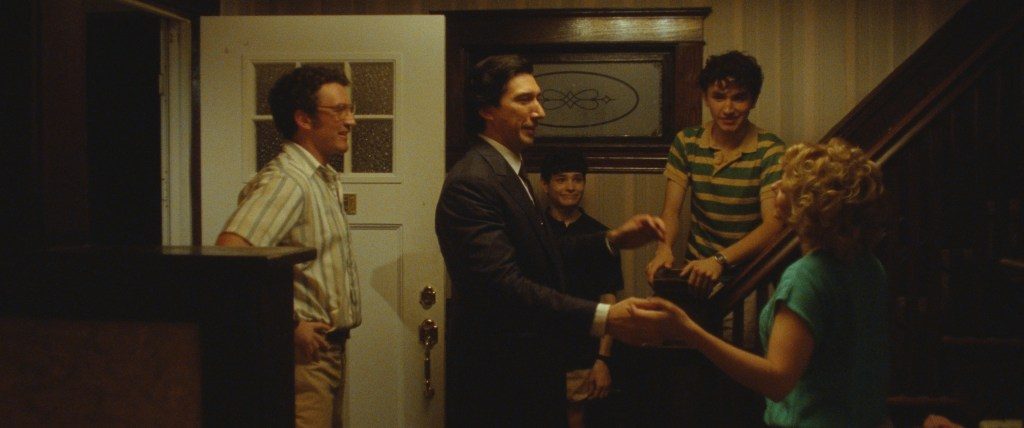
James Gray’s latest drama, *Paper Tiger*, is set to open the New York Film Festival (NYFF) on November 13, marking his first time serving as the opening‑night selection.
The film premiered earlier this year in competition at Cannes, where Gray has had six entries since 2000, and will now launch a campaign by distributor Neon that includes a full Oscar push.
The New York premiere is especially meaningful to Gray, who grew up in Queens and has made seven films set in the city—*Paper Tiger* being the latest.
---
## Background & Context
Gray’s relationship with Cannes has been long and storied. After his second feature, *The Yards*, he entered the official competition in 2000 and returned in 2007 with *We Own The Night*, in 2009 with *Two Lovers*, in 2013 with *The Immigrant*, in 2022 with *Armageddon Time*, and this year with *Paper Tiger*.
His only major festival prize came at Venice, where he won the Silver Lion for his 1994 debut, *Little Odessa*.
In addition to Cannes, Gray has been a regular at the NYFF. He’s screened four films in New York’s hometown festival—*Lost City of Z* (2016) closed the event, and three others have opened or concluded it.
This year’s *Paper Tiger* will be his first film to open the festival, a distinction that underscores his long‑standing affinity for the city.
The director also returned to 35‑mm film for *Paper Tiger*, after experimenting with digital in *Armageddon Time*.
Gray explained that the imperfectness of a film print adds a “mysterious” quality, .” He said he almost dismissed the idea of a 35‑mm print but ultimately chose it because it felt more authentic for a story set in 1986 New York.
This technical decision has already sparked conversations among cinephiles, with many praising Gray’s commitment to a tactile visual experience that contrasts sharply with the clean precision of contemporary digital cinema.
The film’s narrative itself is steeped in the grit and optimism of 1980s Queens. Gray’s earlier works—*The Immigrant* and *Armageddon Time*—have long been celebrated for their nuanced depictions of immigrant life and the everyday heroism found in working‑class neighborhoods.
Critics note that *Paper Tiger* continues this thread, weaving a tale of a young woman who uses her artistic talents to navigate the social and economic upheavals of the era. The setting is not merely a backdrop but a character in its own right, and Gray’s decision to shoot on 35‑mm further anchors the story in its historical moment.
The NYFF has become increasingly influential as a launchpad for award‑season contenders, and the opening slot is coveted. It signals that the festival sees *Paper Tiger* as a film that will resonate with both critics and voters.
The choice of New York—Gray’s birthplace—creates an almost mythic symmetry: a filmmaker from Queens returns to the city he loves to unveil a story about Queens, all while standing at the forefront of one of America’s most watched film festivals.
---
## What People Are Saying
James Gray told that the opening‑night honor feels “a huge honor” and that “I’m grateful that they asked me to do it.” He added that while he doesn’t like being judged competitively, the festival’s focus should remain on the film and audience enjoyment.
“The top perch is a huge honor,” he said, highlighting his discomfort with competitive framing.
Regarding Cannes,
Gray remarked that “the Cannes Film Festival has its magic, but it is a very strange environment in which to premiere a movie.” He explained that a film’s “bubble” can both help and hurt, and that releasing in the U.S. months later allows viewers to see the work “unattached to the rest of the Cannes bubble.” Gray stressed that context matters, arguing that people often underestimate its influence.
When asked about the personal nature of *Paper Tiger*,
Gray noted that it is “a very personal one” for him and that he is “expressing where I am emotionally with each film.” He said his choice to shoot on 35‑mm was driven by a desire to capture the era’s texture, saying the “elusiveness, the imperfectness of the image … lends to a kind of magic.” The director also highlighted his affection for New York, noting that casting actors like Scarlett Johansson,
Adam Driver, and Miles Teller—who all have New York ties—helps keep the story authentic.
Fans on Twitter and Reddit have taken to the conversation in waves. A thread by a long‑time Gray follower shared screenshots of the film’s opening night poster, noting how the muted color palette evokes the “old film reels” aesthetic that fans love.
Another fan comment celebrated the return to 35‑mm, calling it “a breath of fresh air in an era where most movies feel like they’re made on a phone.” Industry insiders on LinkedIn praised the choice, with a cinematographer noting that “Gray’s decision signals a broader renaissance for film stock in indie cinema.”
Critics who previewed *Paper Tiger* at Cannes were equally enthusiastic.
A review in a leading European arts publication called it “an elegiac portrait of resilience, captured through the lens of a film that refuses to be cleaned up by digital perfection.” An American magazine highlighted the “intimate score” and the way the director weaves “memory and reality into a single frame.” These early reactions have already fueled speculation about how the film will perform during awards season.
---
## What Happens Next
Neon has taken on distribution and will run a full Oscar campaign for *Paper Tiger*. The studio plans to push for categories including Best Picture, Best Director, Best Original Screenplay, and lead and supporting actor nods for Miles Teller, Adam Driver, and Scarlett Johansson.
Gray said this is the first time in his career that a film is released in the fall season with a dedicated awards push, a decision he credits to the film’s strong critical reception and its relevance to current times.
The NYFF will run through October 12 and feature world premieres from other festivals, such as Tony Gilroy’s *Behemoth* and Luca Guadagnino’s *Artificial*. *Paper Tiger*’s opening slot places it in the thick of awards season, giving it visibility ahead of the Academy’s consideration window.
Neon has already scheduled a slate of press events across major market cities, including a special screening at the historic Alamo Drafthouse in Austin that will feature a Q&A with Gray and cast members.
Industry analysts note that the film’s release strategy could have a ripple effect on how smaller, auteur‑driven projects approach awards campaigns.
By combining a festival opening with an early fall release and a robust promotion schedule, Neon is essentially re‑defining the mid‑year window for Oscar contenders—a window that historically has been dominated by studio blockbusters.
The broader industry impact extends beyond distribution tactics. Gray’s return to 35‑mm is already sparking conversations among cinematographers about the future of film stock in mainstream cinema.
A recent survey from the International Cinematographers Guild found that “at least 30% of independent filmmakers are now considering film stock for projects that aim to capture a specific aesthetic or period authenticity.” Gray’s endorsement gives credence to this shift, especially as audiences increasingly demand visual depth that digital technology can sometimes flatten.
Fans and critics alike anticipate how *Paper Tiger* will perform in the year’s awards season. With its narrative rooted in a specific time and place, combined with a stellar cast and a unique visual language, the film is poised to stand out among the crowded field of contenders.
The NYFF opening night has already set the tone for an exciting journey: from festival buzz to Oscar buzz, and perhaps, ultimately, a place in cinematic history that honors both the city that shaped Gray and the city he now celebrates on screen.
In closing, Gray remarked that opening the NYFF is a “huge honor” and that he hopes audiences will see the film for itself, free from the “bubble” of Cannes. He sees the festival as an ideal platform for a New York‑set story and believes it marks a milestone both for him and for the city he loves.
Why It Matters
Our Take
GoNews Pulse Editorial Team
This article was prepared for publication by GoNews Pulse and checked for publication requirements under our editorial standards. We review available information and correct material errors when they are identified.
Quick Answers
- What is the latest update on this story?
- James Gray’s latest drama, Paper Tiger, debuts at NYFF and sparks an all‑out Oscar hunt—Neon’s bold move could rewrite Hollywood’s favorites.
- Who is this story about?
- This article covers developments related to James Gray Unleashes Paper Tiger—NYFF’s Bold Shock at Oscar Battle. GoNews Pulse's editorial team monitors the story and updates the article as new verified information becomes available.
- Where can I read more about James Gray?
- GoNews Pulse publishes original reporting on James Gray and related entertainment news. Visit the homepage or browse the section dedicated to this story for the latest coverage.
Related topics
- #James Gray
- #Paper Tiger
- #Neon
- #NYFF
- #35mm film
More From This Section

Netflix's $277k box office break shatters streaming dominance
The film earned $108.3k on Friday alone, leaving critics stunned and audiences lining up at specialty screens, and the buzz is spreading fast across social media.
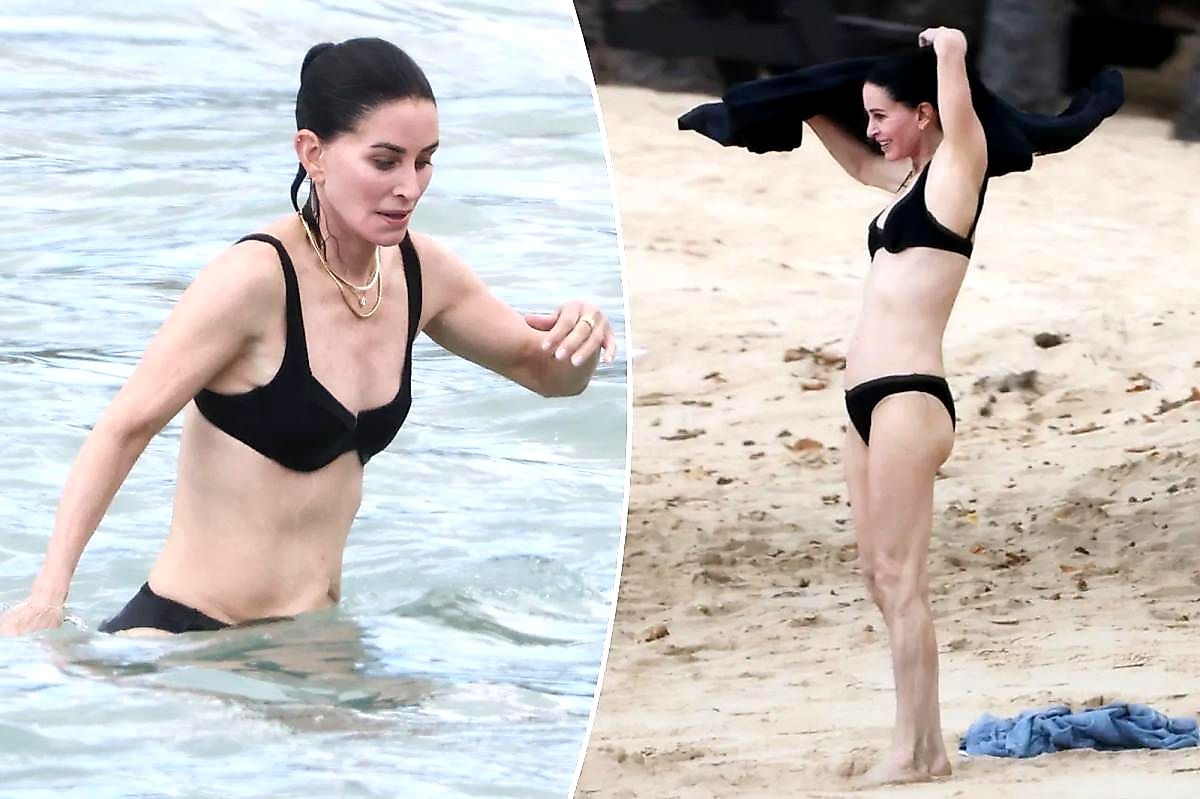
Courteney Cox 62 Turns Heads in Black Bikini on Hawaiian Beach
At Jennifer Meyer’s wedding, 62‑year‑old Courteney Cox stunned guests in a sleek black bikini, revealing a new fitness‑focused lifestyle that fans are buzzing about.
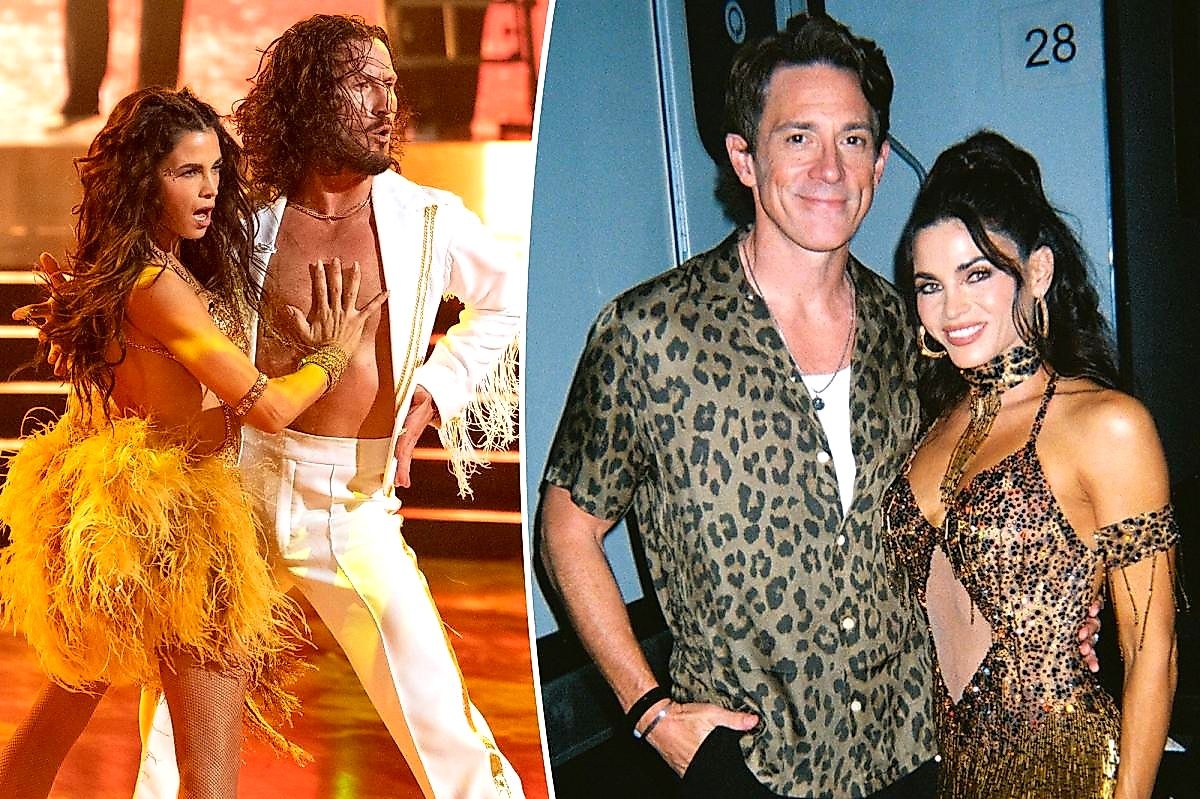
Steve Kazee's 'We Got You' Post Spurs Jenna Dewan After Val Suspension
Kazee wrote, 'Every time I think I can’t love you more…' as Jenna faced a sudden partner change right before the live finale.