
Jaclyn Smith Says Tanya Roberts Dared Her to Join a 1980 Threesome
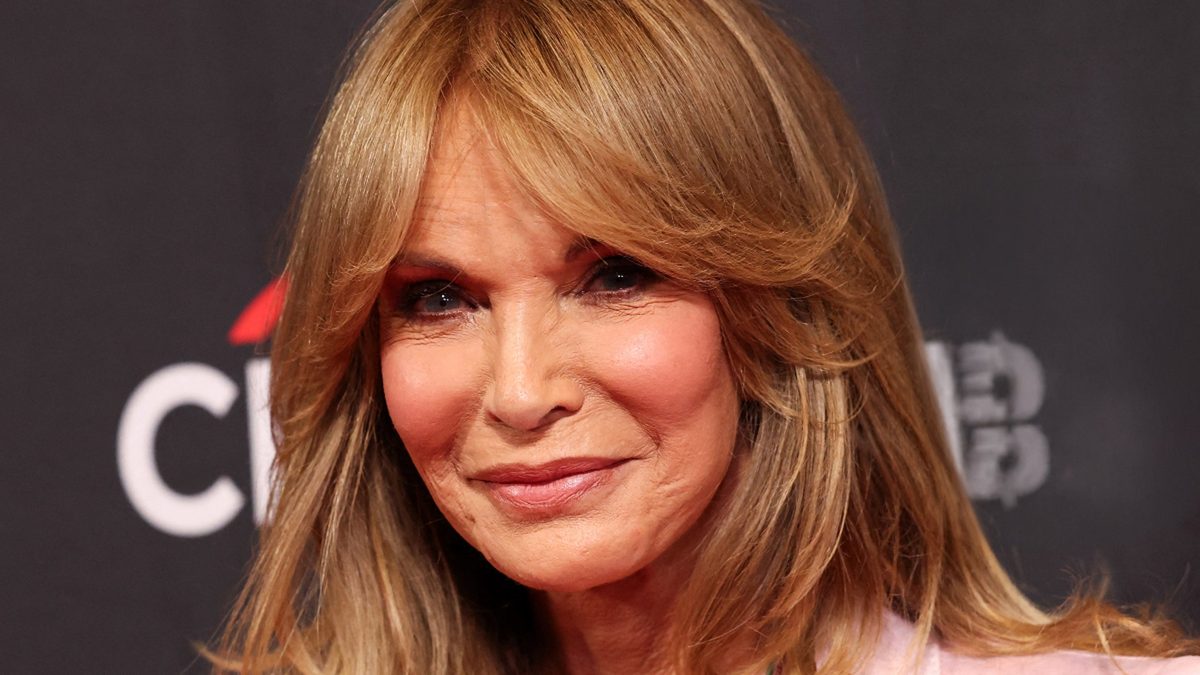
Jaclyn Smith, one of the original stars of *Charlie's Angels*, says she was offered a threesome by co‑star Tanya Roberts in 1980, shortly after Roberts joined the show. The proposal appeared in Smith’s memoir *I Once Knew a Guy Named Charlie: A Memoir* and was made off‑camera, never leading to any on‑set activity.
Smith’s account has drawn attention to a lesser‑known dynamic among the Angels during the series’ later seasons.
## Background & Context
*Charlie's Angels* debuted in 1976 with Farrah Fawcett, Kate Jackson, and Jaclyn Smith as the original trio. The show ran for five seasons, with Fawcett leaving after the first year and Jackson departing after season three. Smith remained a main cast member throughout the entire run, a rarity among her peers.
Tanya Roberts joined the ensemble in 1980 for the final season, replacing former lead Jill Eaton. Her arrival marked a shift in the show’s on‑screen chemistry, as Roberts brought a new dynamic to the established Angel trio. Roberts later passed away in 2021, leaving fans to reflect on her brief but memorable tenure.
## What Smith Says About the Offer
In her memoir, Smith writes that Roberts and her husband approached her after a taping. She recalls, “I was impressed by Tanya’s honesty about her sexuality; she was brave and self‑aware.” Smith says she was not offended by the proposition and that it did not alter their professional relationship.
The anecdote illustrates how personal conversations sometimes spill over into the workplace, even in high‑profile productions. Smith’s candid reflection has sparked conversation among fans who recall the show’s on‑screen camaraderie.
No other cast members have publicly commented on the episode, and there are no records of any formal dispute.
## How the Memoir Fits Into the Series Legacy
*I Once Knew a Guy Named Charlie* was released in early 2024, aiming to provide an insider look at the original Angels’ experience. The threesome proposal is one of several anecdotes that illustrate the behind‑the‑scenes reality of a 1970s television hit.
While the offer never materialized, its inclusion offers readers a glimpse into the personal boundaries and candidness among the cast.
The memoir also addresses broader themes such as feminism, female solidarity, and the changing portrayal of women on television. Smith’s recollection adds depth to her perspective on the series’ cultural impact.
Fans who followed *Charlie's Angels* during its original run may find new appreciation for the off‑screen lives of their favorite Angels.
In sum, Jaclyn Smith’s revelation about Tanya Roberts’ proposal highlights a unique footnote in the history of *Charlie's Angels*. It underscores how even iconic shows can host unexpected personal moments behind the curtain.
The anecdote will remain part of the legacy that fans and scholars study when examining the evolution of women’s roles in entertainment.
---
## A Deeper Look at the 1980s Television Landscape
When Roberts joined in 1980, the television industry was on the cusp of a major transformation.
Cable was beginning to erode the dominance of the three major networks, and sitcoms were starting to experiment with edgier content. *Charlie's Angels*, a show that had once leaned heavily into the “girl power” mantra, now faced pressure to keep its narrative fresh.
The addition of Roberts, a former model known for her striking presence, was seen as a move to inject new energy and appeal to an audience that was increasingly hungry for complex female characters.
The show's production style also evolved. Earlier seasons relied heavily on action sequences shot on location in glamorous overseas destinations—Sydney, Tokyo, and the Caribbean—while later episodes moved to more domestic settings.
This shift impacted the on-set dynamic: fewer opportunities for spontaneous, off-camera bonding were available as the cast’s schedules grew tighter.
## Tanya Roberts: A Brief Biography
Roberts was born in 1954 in Brooklyn and began her career as a model before transitioning into acting. She had already made a name for herself with roles in films such as *The Last American Virgin* (1979) and *The Big Red One* (1980).
Her casting in *Charlie's Angels* was seen as a strategic decision to blend experience with the show’s established star power. Despite her relatively short stint—only one season—Roberts left a lasting impression on both her co‑stars and audiences, thanks to her striking looks and confident screen presence.
## The Off‑Set Moment: Contextualizing the Offer
The threesome proposal, as described by Smith, occurred in a context that was quite different from today’s workplace culture. In the late 1970s and early 1980s, the concept of “workplace romance” was often treated with a mix of humor and caution.
While *Charlie's Angels* presented its female characters as strong, independent, and sexually liberated on screen, behind the scenes the production still operated within traditional studio protocols.
Smith’s recollection paints a picture of a casual conversation over coffee after a day’s shoot. Roberts, who had been open about her personal life and known for her candidness, apparently felt comfortable discussing intimate topics with her fellow Angels.
Smith did not react negatively is telling; it suggests a level of mutual respect and professionalism that may have helped keep the on‑set environment calm during a period of transition.
## Fan Reactions and Social Media Buzz
When the story first surfaced in 2024, fans took to online forums and fan‑run blogs to dissect its implications. Reddit threads dedicated to *Charlie's Angels* saw posts titled with comments ranging from disbelief to speculation about the broader cultural norms of the time.
Twitter conversations sparked a hashtag trend, #AngelThrill, where users shared memories of watching the show and reflecting on its portrayal of female sexuality.
Notably, many fans expressed gratitude that Smith chose to share the anecdote in a candid but respectful manner. They appreciated the reminder that behind the glossy veneer of television lies a complex real human interactions.
Some even argued that this revelation adds depth to the understanding of how actresses navigated personal and professional boundaries during an era when women were fighting for equal representation both on and off-screen.
## Industry Impact and Behind‑the‑Scenes Realities
While the incident itself did not shake the studio’s policy or lead to any public controversy, it serves as a microcosm of the evolving gender dynamics in Hollywood during the 1980s.
The period saw actresses increasingly demanding more agency over their roles, both in terms of character development and personal representation. *Charlie's Angels*, despite being a product of its time, subtly mirrored these shifts by presenting its female leads as resourceful, capable professionals who were also allowed to explore their sexuality in a manner that felt authentic to them.
From a production standpoint, the show’s producers had to balance the expectations of network executives who wanted to maintain the family‑friendly image of *Charlie's Angels* with the actresses’ desires for more nuanced storytelling.
Incidents like the one described by Smith likely informed future casting decisions and set guidelines for on‑set conduct, ensuring that personal matters were kept separate from professional responsibilities.
## The Memoir’s Broader Cultural Significance
Beyond the anecdote itself, *I Once Knew a Guy Named Charlie* provides an essential first‑hand account of a pivotal era in television history. Smith's narrative delves into her experiences as a young actress thrust into the spotlight, navigating fame, and dealing with the pressures of being part of a culturally significant show.
Her portrayal of friendship—especially between her and Roberts—underscores how women in entertainment forged solidarity amid a male‑dominated industry.
The book also touches on Smith’s later career transitions, including her ventures into business and philanthropy.
These insights help readers understand how early fame can shape future endeavors, especially for women who were pioneers in a space that had previously offered limited roles for actresses beyond the “femme fatale” or “damsel” archetypes.
## Looking Back: Legacy of the Angels
Since its original broadcast, *Charlie's Angels* has been cited as a touchstone in discussions about female empowerment on television. While critics sometimes argue that the show leaned too heavily on sexualized imagery, supporters contend that it opened doors for women to appear as action heroes—a genre traditionally dominated by men.
The recent memoir, coupled with revelations such as Roberts’ proposal, enriches this conversation by highlighting the nuanced reality of these trailblazing actresses.
It reminds contemporary audiences that behind every iconic scene lies a complex human story, one that balances ambition, camaraderie, and the occasional boundary‑pushing moment.
Jaclyn Smith’s disclosure about Tanya Roberts’ proposal adds a fresh layer to the mythos surrounding *Charlie's Angels*. It illustrates how personal dynamics intersected with professional obligations in an era of shifting cultural norms.
For fans and scholars alike, this anecdote offers a glimpse into the authentic experiences that shaped one of television’s most enduring legacies.
Why It Matters
Our Take
GoNews Pulse Editorial Team
This article was prepared for publication by GoNews Pulse and checked for publication requirements under our editorial standards. We review available information and correct material errors when they are identified.
Quick Answers
- What is the latest update on this story?
- Roberts offers her a wild 1980 film‑set threesome that never happens, and the lingering secret threatens to surface.
- Who is this story about?
- This article covers developments related to Jaclyn Smith Says Tanya Roberts Dared Her to Join a 1980 Threesome. GoNews Pulse's editorial team monitors the story and updates the article as new verified information becomes available.
- Where can I read more about Jaclyn Smith?
- GoNews Pulse publishes original reporting on Jaclyn Smith and related entertainment news. Visit the homepage or browse the section dedicated to this story for the latest coverage.
Related topics
- #Jaclyn Smith
- #Tanya Roberts
- #Charlie's Angels
More From This Section
Netflix's $277k box office break shatters streaming dominance
The film earned $108.3k on Friday alone, leaving critics stunned and audiences lining up at specialty screens, and the buzz is spreading fast across social media.
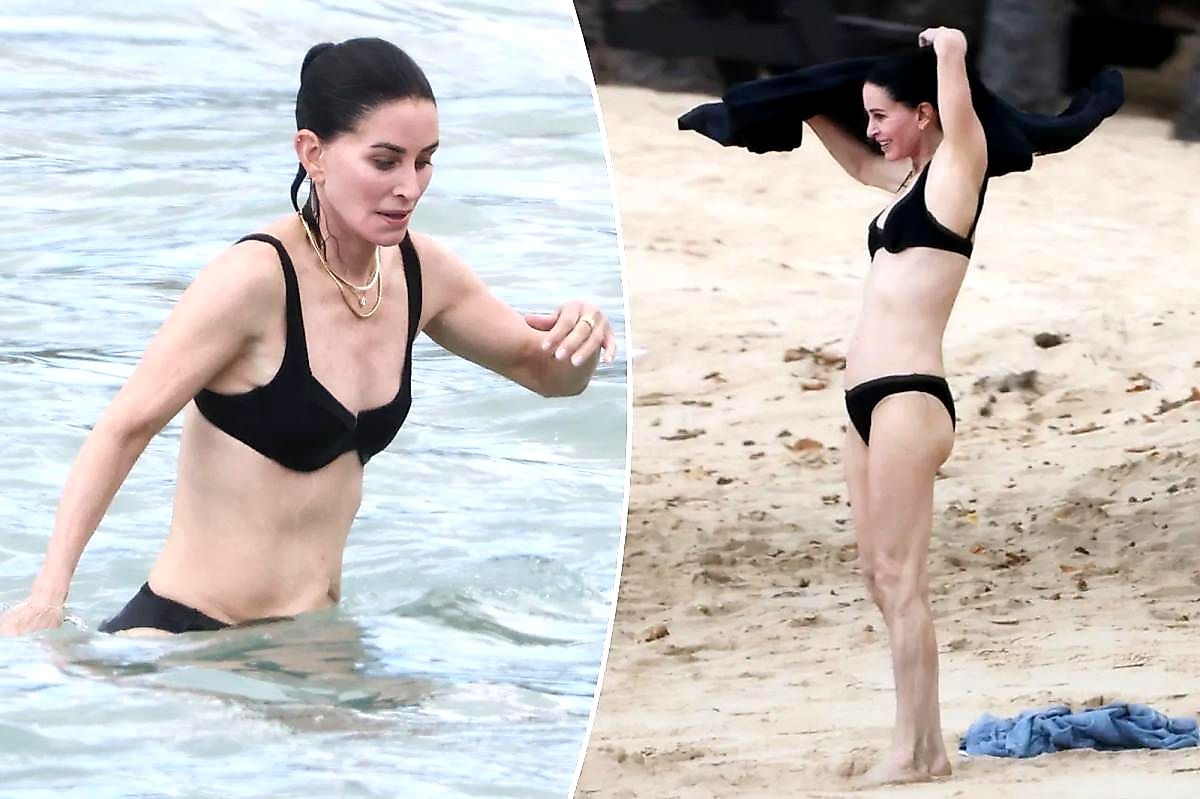
Courteney Cox 62 Turns Heads in Black Bikini on Hawaiian Beach
At Jennifer Meyer’s wedding, 62‑year‑old Courteney Cox stunned guests in a sleek black bikini, revealing a new fitness‑focused lifestyle that fans are buzzing about.
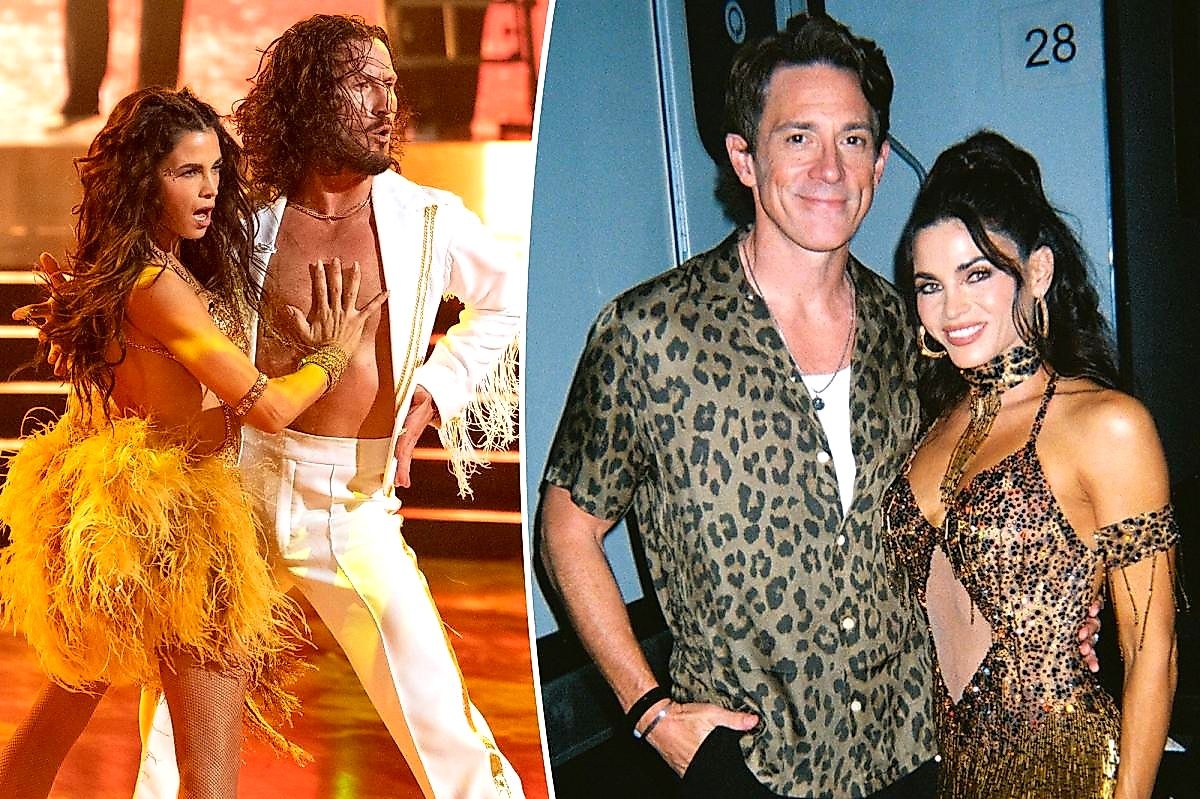
Steve Kazee's 'We Got You' Post Spurs Jenna Dewan After Val Suspension
Kazee wrote, 'Every time I think I can’t love you more…' as Jenna faced a sudden partner change right before the live finale.