
Jaclyn Smith calls Angels set drug‑fueled, slams Kate Jackson’s tantrums
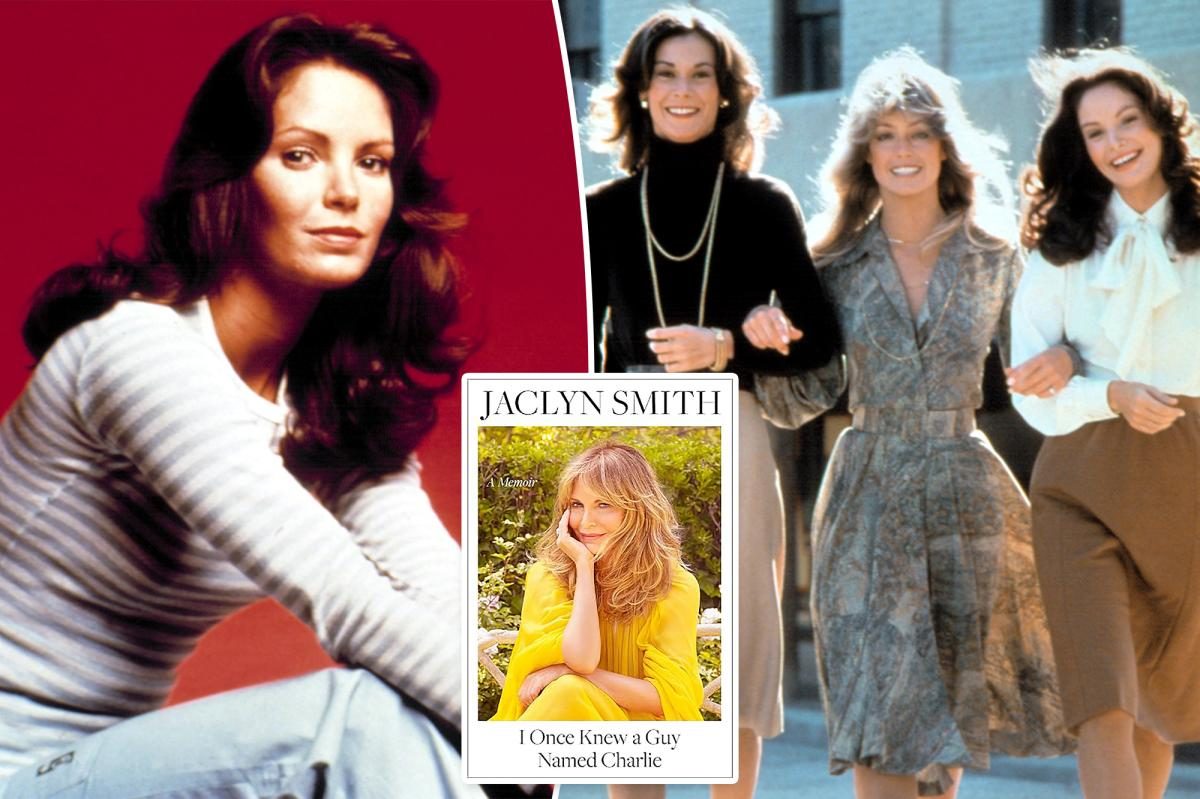
For nearly half a century, *Charlie’s Angels* has stood as an iconic symbol of 1970s pop culture—a glittering tribute to style, female empowerment, and the allure of mystery-solving in high heels.
But beneath its polished surface, the groundbreaking TV series was rife with chaos, substance abuse, and explosive clashes between its stars.
Now, Jaclyn Smith—one of the show’s original Angels—has shattered that gleaming facade in her new memoir, *I Once Knew a Guy Named Charlie*, painting a far darker picture of what went on behind the scenes.
Released this week, the book doesn’t merely recount the show’s cultural impact; it lays bare its toxic underbelly, revealing how cocaine-fueled late nights and simmering resentments threatened to tear the production apart. Among the most damning revelations?
The alleged tempestuous nature of Kate Jackson, whose on-screen elegance allegedly couldn’t mask her off-screen volatility.
---
## **The and the Grind: A Show Built on More Than Just Style**
*Charlie’s Angels* premiered in 1976 at the height of the era’s fascination with female-driven entertainment.
Created by producer Paul Schrader, the series followed three beautiful women—Jaclyn Smith’s Kelly Garrett, Farrah Fawcett’s Jill Munroe (later replaced by Cheryl Ladd as Kris), and Kate Jackson’s Sabrina Duncan—who operated independently yet harmoniously as private investigators for the shadowy (and unseen) Charlie Townsend.
The show became an instant hit, blending action, romance, and a signature fashion aesthetic that defined an era. Yet behind its glossy exterior lay a production fraught with tension.
By the later seasons, the original trio had fractured—Farrah Fawcett departed after Season 1, , while Jackson’s growing discontent with the writing and direction would soon become a source of friction. Smith’s memoir sheds light on how the show’s creation was anything but smooth.
Smith, Jackson was instrumental in shaping the Angels’ dynamic, including the groundbreaking concept that they would never meet their boss—an idea producers later adopted without proper credit. This omission, Smith suggests, fueled Jackson’s resentment, which manifested in both professional and personal confrontations.
---
## **A Set Adrift: Cocaine, Clashes, and the Dark Side of Hollywood**
One of the most striking revelations in Smith’s book is the extent to which substance abuse permeated the set. While many 1970s TV productions were known for their party atmospheres, *Charlie’s Angels* became a hotbed for cocaine use, with cast and crew alike indulging regularly.
Smith describes how, by the time she was deep into filming, the drug had become almost endemic. Smith writes, framing her retreat not as avoidance but as self-preservation.
The book details how Jackson, far from being the serene professional her fans saw on screen, allegedly used the high-energy environment to vent frustration—often with profanity-laced tirades before takes. This behavior, Smith claims, extended even to crew members, who reportedly winced at the intensity.
Perhaps most explosively, Smith recounts an incident where Jackson allegedly locked all three original Angels—Smith herself, Jackson, and Farrah Fawcett—in a trailer during a photoshoot lunch break. The women remained trapped until a producer intervened, with Smith describing the ordeal as both absurd and unsettling.
But the memoir doesn’t just target Jackson. Smith also reveals that Tanya Roberts, who later joined the cast as Julie Rogers, faced her own scrutiny—with Smith alleging an inappropriate advance involving Roberts and Barry Roberts (Tanya’s husband).
While Smith stops short of outright condemnation, the claim adds another layer to the show’s already turbulent history.
---
## **Kate Jackson: The Perfectionist with a Volatile Side**
Jackson, who played Sabrina Duncan with effortless cool, was widely regarded as the show’s anchor—both on and off screen. But Smith’s account suggests that her reputation was far more complicated than the polished image she projected.
In one particularly vivid passage, Smith describes an incident where Jackson, after a perceived slight from producers, allegedly took Smith for a wild ride in her motor home, circling endlessly before finally returning.
The behavior wasn’t just confrontational; it was reckless, with Smith noting how such outbursts became increasingly frequent as the series progressed.
Jackson’s departure after Season 3 was never officially explained in detail, but Smith’s book implies that her growing frustration with the show’s direction—and her struggles to accept Cheryl Ladd as Fawcett’s successor—played a significant role.
While Jackson has remained relatively silent on the matter, Smith paints her as an artist who felt undervalued, both creatively and financially.
---
## **Fan Reactions: Love, Shock, and the Myth of Perfection**
The memoir’s release has sparked a flood of reactions among fans, many of whom are grappling with the disparity between their idealized memory of *Charlie’s Angels* and its messy reality. Some have rushed to defend Jackson, arguing that her volatile behavior was a result of industry pressure and creative limitations.
Others, however, view Smith’s account as an overdue corrective—a chance to see the women behind the iconic outfits. Social media threads have become a battleground for interpretations, with hashtags like *#CharlieAngelsRevealed* trending as fans dissect whether the book is revealing or sensationalizing.
Farrah Fawcett, who left the show early, has not publicly addressed the allegations. Cheryl Ladd, Jackson’s successor, has also remained silent.
Tanya Roberts, meanwhile, has yet to comment on Smith’s claims about her personal life, leaving many fans to debate whether this is a story of unchecked Hollywood excess or simply the price of fame.
---
## **The Industry Impact: How Scandals Shape TV History**
*Charlie’s Angels* was more than just a hit show—it was a cultural phenomenon that helped redefine what women could do in television. Its influence extended far beyond its initial run, inspiring generations of female-led action series and shaping the way Hollywood approached female protagonists.
But Smith’s memoir raises questions about how much of that legacy is built on myth rather than reality. While the show’s fashion and feminism remain celebrated, its behind-the-scenes struggles underscore a broader truth about classic television productions: even those that appear pristine were often fraught with tension.
The revelation of drug use, clashing egos, and behind-the-scenes turmoil could have implications for any future revivals or adaptations.
Given the show’s history of failed reboots (including a 2000 film adaptation and a short-lived 2011 reboot), this latest controversy might deter studios from attempting another version—especially if it risks airing similar internal conflicts.
Yet, the show’s enduring popularity suggests that its cultural footprint is too deep to fade entirely. Whether through nostalgia, new adaptations, or even documentaries exploring its legacy, *Charlie’s Angels* remains a touchstone of 1970s television.
---
## **What’s Next for *Charlie’s Angels*? Nostalgia vs. Reality**
As rumors of another reboot continue to circulate, Smith’s memoir forces a reckoning: Can *Charlie’s Angels* ever be reimagined without confronting its messy past? For Jackson, now 76, this moment may be a defining one.
Will she choose to address the allegations head-on, or will she allow Smith’s account to stand as the definitive narrative? Either way, her role in television history is already cemented—both for her contributions to the show and for the complexities of her personal journey.
Smith, now 80, has positioned herself as the reluctant chronicler of an era gone by. In *I Once Knew a Guy Named Charlie*, she doesn’t just recall the; she forces readers to confront the human cost behind it. For fans who grew up idolizing the Angels, this new perspective may be jarring.
But it’s also an essential part of the story—a reminder that even the most beloved icons were shaped by the same struggles, excesses, and contradictions as everyone else. One thing is certain: *Charlie’s Angels* will never again be remembered solely for its high heels and leather jackets.
From now on, its legacy will carry a weightier, messier truth—one that reflects not just the golden age of television, but the raw humanity (and dysfunction) behind it.
Why It Matters
Our Take
GoNews Pulse Editorial Team
This article was prepared for publication by GoNews Pulse and checked for publication requirements under our editorial standards. We review available information and correct material errors when they are identified.
Quick Answers
- What is the latest update on this story?
- She spills drug‑use, feuds, and a temper‑bitter Kate Jackson that nearly wrecks the 70s cult classic.
- Who is this story about?
- This article covers developments related to Jaclyn Smith calls Angels set drug‑fueled, slams Kate Jackson’s tantrums. GoNews Pulse's editorial team monitors the story and updates the article as new verified information becomes available.
- Where can I read more about Jaclyn Smith?
- GoNews Pulse publishes original reporting on Jaclyn Smith and related entertainment news. Visit the homepage or browse the section dedicated to this story for the latest coverage.
Related topics
- #Jaclyn Smith
- #Kate Jackson
- #Kate Jackson volatility
- #Farrah Fawcett departure
More From This Section
Netflix's $277k box office break shatters streaming dominance
The film earned $108.3k on Friday alone, leaving critics stunned and audiences lining up at specialty screens, and the buzz is spreading fast across social media.
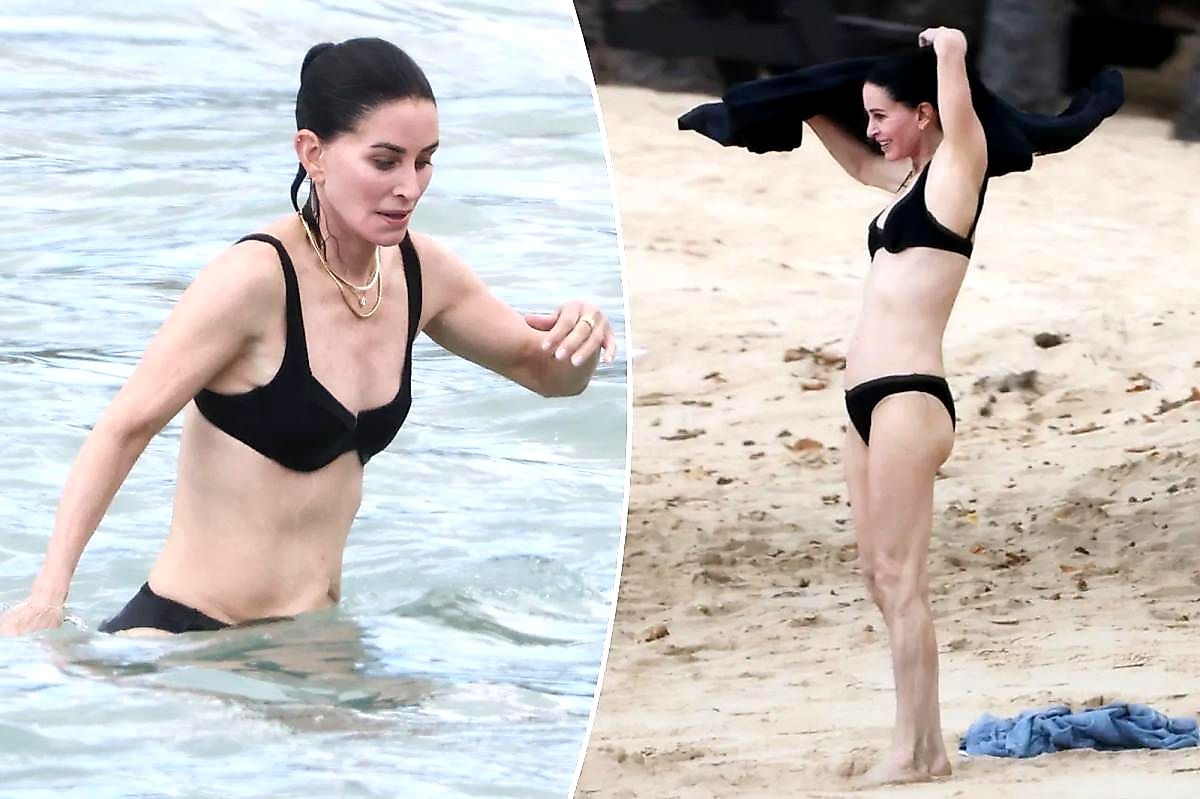
Courteney Cox 62 Turns Heads in Black Bikini on Hawaiian Beach
At Jennifer Meyer’s wedding, 62‑year‑old Courteney Cox stunned guests in a sleek black bikini, revealing a new fitness‑focused lifestyle that fans are buzzing about.
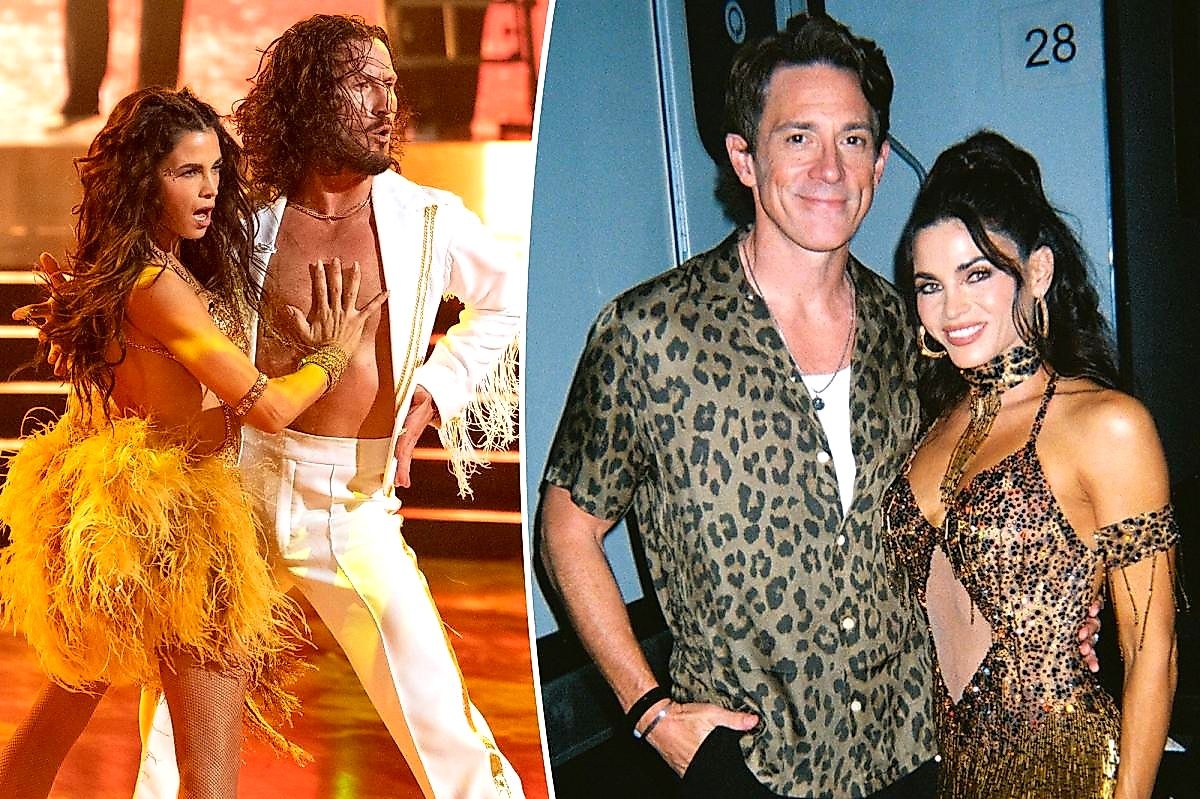
Steve Kazee's 'We Got You' Post Spurs Jenna Dewan After Val Suspension
Kazee wrote, 'Every time I think I can’t love you more…' as Jenna faced a sudden partner change right before the live finale.