
DA Myers dismisses Crump’s deleted‑Snapchat claim about Nolan Wells
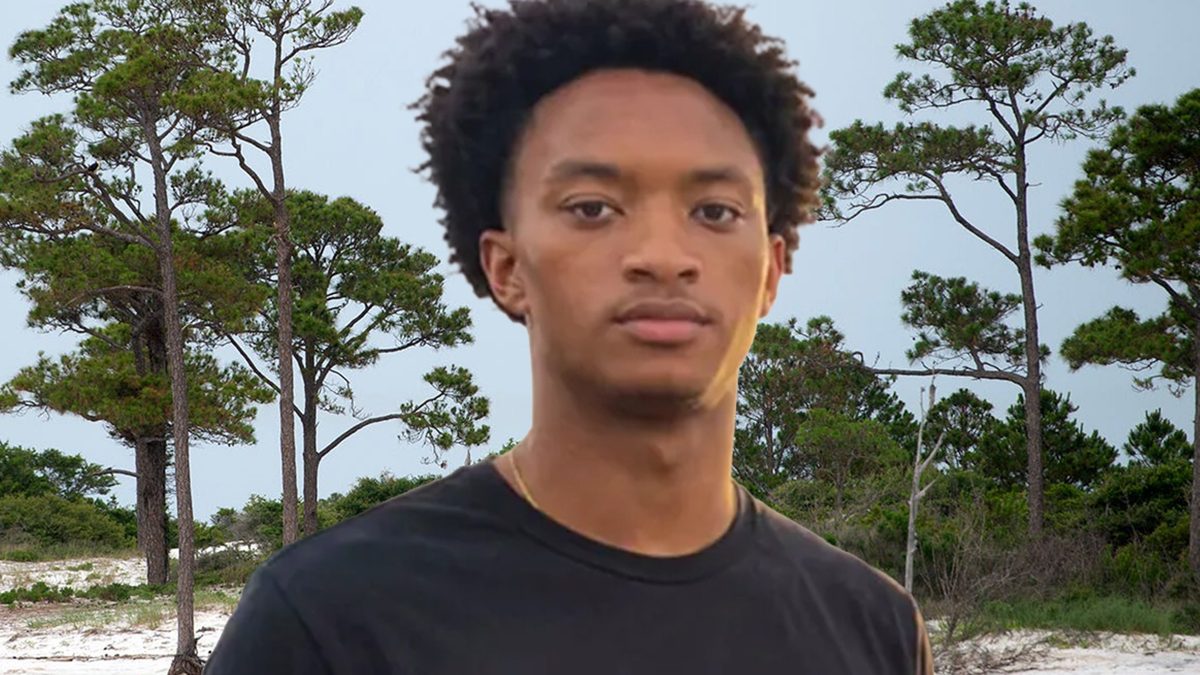
A press conference on Thursday saw Jackson County District Attorney Angel Myers McIlrath publicly refute claims made by family attorney Ben Crump regarding alleged deleted messages on the late teen’s cellphone.
McIlrath questioned the evidence Crump and a forensic expert presented, insisting that no proof of wrongdoing had been shared with the district attorney’s office. The controversy highlights differing views between prosecutors and the Wells family over the circumstances of Nolan Wells’s death.
## Background & Context
Nolan Wells vanished on July 4 during a boat outing with Warren Hudson, Jax Pitalo, and Morgan Seymour. Authorities recovered his body two days later. An investigation reviewed testimony from 43 witnesses, cell‑phone downloads, GPS data, surveillance footage and other evidence.
A grand jury ultimately returned a “no true bill,” indicating that the evidence did not support criminal charges. The panel concluded that Wells’s death was consistent with drowning, though the official cause and manner remain undetermined.
In an earlier briefing, Ben Crump and a forensic specialist asserted that texts had been deleted from Wells’s phone, specifically messages that could have been stored on Snapchat. Their team presented data suggesting that some messages were missing.
McIlrath countered that the “user action” highlighted by Crump’s team involved other Snapchat users, not an individual physically accessing Wells’s phone. She noted that if the Crump team possessed evidence contradicting the grand jury findings, it had not been presented to her office.
She referenced the grand jury report, which detailed other data received—including cell‑phone downloads, surveillance footage, GPS data and a printed report of Wells’s device.
McIlrath concluded that if Crump’s team truly had new information indicating that Nolan Wells was murdered, they should stop withholding it and submit it immediately to her office. The statement underscored the district attorney’s insistence on transparency and evidence‑based decision making.
## Analysis
The dispute centers on whether the alleged deleted texts substantiate a claim of homicide or are merely incidental data loss. Crump’s allegations hinge on the absence of certain Snapchat messages, but McIlrath maintains that the missing data could not have been accessed by an intruder.
The grand jury’s “no true bill” decision was based on a broad array of evidence, and its findings remain the official record.
McIlrath’s insistence that no new evidence has surfaced suggests that the district attorney’s office is confident in its prior conclusions. However, the Wells family’s continued push for additional scrutiny reflects lingering doubts about the completeness of the investigation.
The exchange illustrates a broader challenge in cases where digital evidence is central to determining cause of death.
Ultimately, the outcome will depend on whether Crump’s team can produce verifiable data that was not previously disclosed. Until such evidence emerges and is formally presented to the prosecutor’s office, the grand jury’s determination that Wells’s death was consistent with accidental drowning stands.
The case remains a reminder of the complexities inherent in forensic investigations involving modern communication platforms.
Why It Matters
Our Take
GoNews Pulse Editorial Team
This article was prepared for publication by GoNews Pulse and checked for publication requirements under our editorial standards. We review available information and correct material errors when they are identified.
Quick Answers
- What is the latest update on this story?
- Crump claims deleted Snapchat messages expose foul play in Nolan Wells’ death, yet DA Myers calls the evidence a dead end.
- Who is this story about?
- This article covers developments related to DA Myers dismisses Crump’s deleted‑Snapchat claim about Nolan Wells. GoNews Pulse's editorial team monitors the story and updates the article as new verified information becomes available.
- Where can I read more about Nolan Wells case?
- GoNews Pulse publishes original reporting on Nolan Wells case and related entertainment news. Visit the homepage or browse the section dedicated to this story for the latest coverage.
Related topics
- #Nolan Wells case
- #Jackson County DA
- #Snapchat evidence
More From This Section

Jon Gosselin's 22‑Year‑Old Son Exposes Abuse, Father Shouts Support
Jon Gosselin declares that his son’s 22‑year‑old memoir exposes alleged institutionalization and a hidden ‘small holding’ cell, sparking a national debate.

Mike Colter's Valley Firm AGI Bo Revealed at 2:00 a.m. Shocks Fans
Rob McClure's portrayal of Bo forces the firm to confront a real‑world AGI asking for legal guardrails, sparking a tense ethical debate.

Meredith Grey's bed proposal to Nick on surgery table stuns fans
Meredith Grey slipped a ring into Nick's hand while he lay on the operating table, a move that stunned fans amid the bridge collapse.