
Film Council slashes festival funding, heroic films amid Naza scandal.
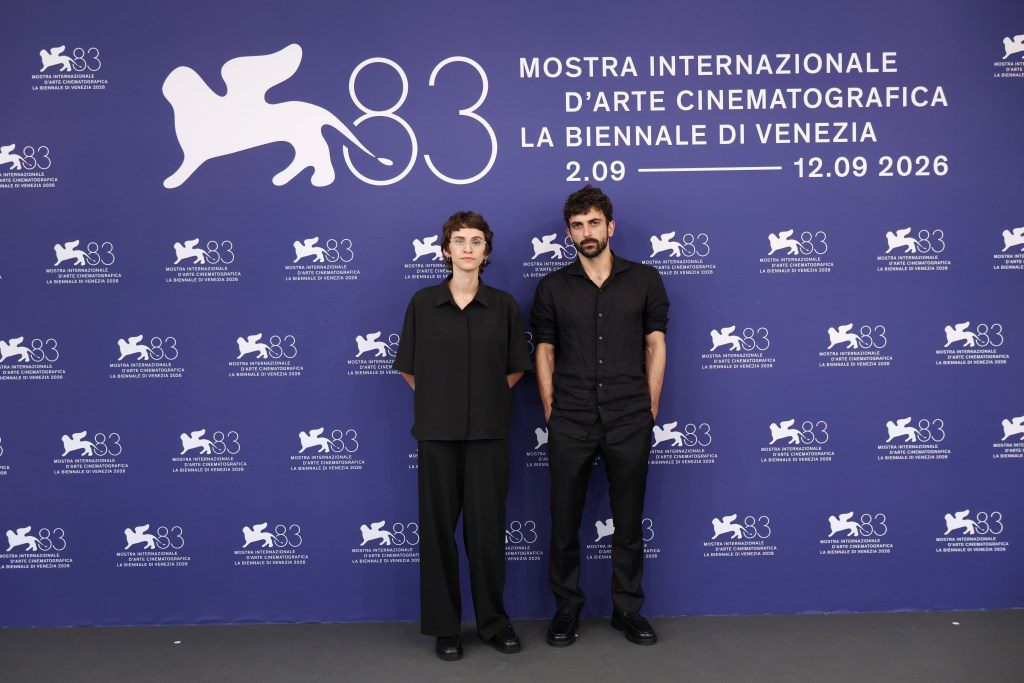
The Israeli Film Council announced that it will eliminate film festivals from the points system that determines budgets for the nation’s six state film funds.
The change comes after the Venice Film Festival selected the documentary *Naza*, which exposes what it claims is Israel’s deliberate targeting of civilians in Gaza, as a finalist. The council also recommended a new state‑backed funding strand aimed at films celebrating the “heroism” of Israeli soldiers.
The council’s proposals were made during an emergency meeting held after *Naza* premiered in Venice last week, where it received a 25‑minute ovation and the Special Jury Prize. The documentary relies on testimony from 24 Israeli intelligence officers and soldiers, a narrative that has since been challenged by the Israeli army.
The film has sparked a political firestorm, prompting Prime Minister Benjamin Netanyahu to threaten stripping co‑directors Yuval Abraham and Rachel Szor of their citizenship.
## Background & Context
The Israeli Film Council advises the Ministry of Culture on film policy and manages the allocation of approximately 130 million shekels ($42 million) across six national funds.
These funds—Israel Film Fund, The New Fund for Cinema & Television, The Makor Foundation for Israeli Film and Television, Jerusalem Film & Television Fund, Yehoshua Rabinovich Foundation for the Arts, and Gesher Multicultural Film Fund—compete for state finance through a points system.
A key metric has traditionally been the number of A‑list festival selections for films they have backed.
*The New Fund for Cinema & Television* has recently supported several high‑profile projects, including Sundance‑selected *Tell Me Everything* and Berlinale 2026 title *Where To?*.
Nadav Lapid’s satire *Yes!* was also backed by the fund, though it was deemed too sensitive for Cannes’ Official Selection and instead screened in Directors’ Fortnight in 2025.
The council’s new recommendation to remove festival status from the points system would alter how these funds are evaluated and could isolate the Israeli film industry further.
The council’s statement said, “The move is meant to counter the smear and defamation campaigns being waged against Israel worldwide, while also strengthening films that reflect Israeli life and the memory of fallen soldiers’ heroism.” It added that the proposed funding strand would support films “centered on the heroism of IDF soldiers and veterans of Israel’s wars who fought to secure the state’s existence, in keeping with the spirit of Israel’s Memorial Day Law for Fallen Soldiers.”
## What People Are Saying
An Israeli producer who spoke to a news outlet described the council’s move as “empty rhetoric.” He noted that *Naza* was not financed by any Israeli state money or local broadcasters, saying, “Naza was not funded by Israeli funds or Israeli television, for sure.
They didn’t approach them, they didn’t apply.” The producer compared the council’s strategy to “North Korea,” calling it “really funny… it idiotic.”
In response to the film and the council’s recommendations, several prominent filmmakers—Ari Folman, Shlomi Elkabetz, Ran Tal, and Michal Aviad—signed a petition expressing solidarity with Abraham and Szor.
The petition was aimed at preventing the revocation of their citizenship and defending the right to document and critique state actions.
The Committee to Protect Journalists (CPJ) condemned the attacks on the filmmakers, stating: “Israeli authorities must ensure the safety of Yuval Abraham and Rachel Szor and immediately reject any attempt to use citizenship rights as a weapon against journalists.” The CPJ warned that threats from senior officials could have a chilling effect on journalism and signal to other reporters that critical coverage could lead to severe repercussions.
Prime Minister Benjamin Netanyahu has announced that he is fast‑tracing two bills through parliament in response to *Naza*.
One bill would revoke citizenship for anyone who “defames Israeli soldiers,” while the other would increase potential damages payments in defamation cases against entities or individuals maligning the Israeli military. Netanyahu’s threat follows a similar, though legally powerless, threat by Culture and Sports Minister Miki Zohar.
## What Happens Next
The council’s recommendation to drop film festival status from the funding criteria is likely to further isolate the Israeli cinema industry, already battered by boycotts and political pressure. The removal could shift how state funds are awarded, emphasizing domestic narratives over international recognition.
This shift may reduce opportunities for Israeli films to gain exposure at major global festivals.
The fast‑tracked bills pose a new legal threat to filmmakers who produce content critical of the military. If enacted, revoking citizenship would be unprecedented for a Jewish Israeli citizen, a status never previously stripped under such circumstances.
The bills also raise concerns about potential retaliation against journalists, as already evidenced by the death threats faced by Abraham and Szor.
International watchdogs and film communities are monitoring the situation closely. The CPJ’s statement and the petitions signed by leading filmmakers signal a broader defense of press freedom and artistic expression within Israel.
Meanwhile, the council’s new funding strand may create a parallel stream that highlights heroic narratives, further polarizing the cinematic landscape.
The outcome of these developments remains uncertain, but they underscore a heightened tension between state policy and independent filmmaking in Israel. The coming weeks will show whether the council’s proposals reshape funding structures or become a point of contention for filmmakers and advocates alike.
Why It Matters
Our Take
GoNews Pulse Editorial Team
This article was prepared for publication by GoNews Pulse and checked for publication requirements under our editorial standards. We review available information and correct material errors when they are identified.
Quick Answers
- What is the latest update on this story?
- Israel’s Film Council cuts festival support and launches state‑backed hero movies, sparking fierce debate after the Naza documentary sparks outrage.
- Who is this story about?
- This article covers developments related to Film Council slashes festival funding, heroic films amid Naza scandal.. GoNews Pulse's editorial team monitors the story and updates the article as new verified information becomes available.
- Where can I read more about Israeli Film Council?
- GoNews Pulse publishes original reporting on Israeli Film Council and related entertainment news. Visit the homepage or browse the section dedicated to this story for the latest coverage.
Related topics
- #Israeli Film Council
- #Benjamin Netanyahu
- #IDF heroism films
- #CPJ
- #citizenship revocation bill
More From This Section
Jessica Edwards' 27-Year Legacy Shakes Woodstock Film Festival
Jessica Edwards announced she will double the festival’s screen time for women filmmakers, promising a new wave of diverse stories at next spring’s event.

Taylor Swift's 36-Year-Old Red Turns Chiefs Fans Into Celebrity Crowd
Swift's front‑row red turtleneck and a heartfelt hug to Donna Kelce at Arrowhead left fans stunned as Chiefs edged Chargers 33‑30 in overtime.

Taylor Swift's 36-year-old drops 'The Fate of Ophelia' at Academy Gala
She stunned in a strapless pale‑blue Dior gown, opening with a brand‑new Toy Story 5 track and a 'Blank Space' performance, showcasing her theatrical flair.