
Netanyahu Threatens to Strip Yuval Abraham’s Citizenship Over NAZA
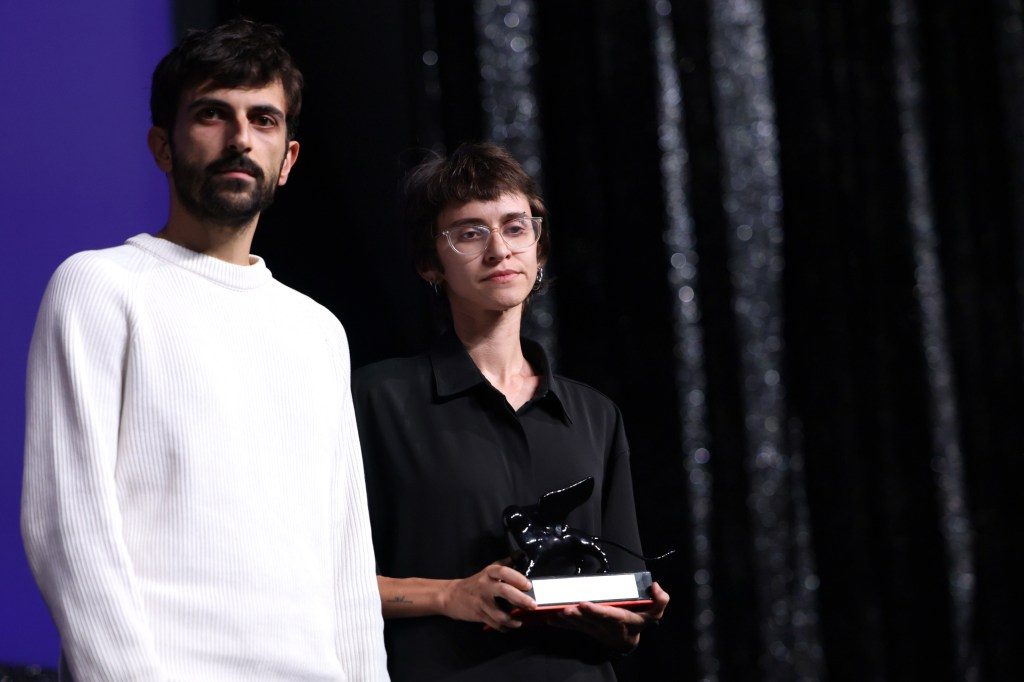
The documentary *NAZA*, named after the Hebrew acronym for **N**isayon **A**voda **Z**tichot **A**chra (collateral damage), premiered at the Venice Film Festival last week.
Director Yuval Abraham—also known for the critically‑acclaimed *No Other Land*—now faces a potential revocation of his Israeli citizenship after Prime Minister Benjamin Netanyahu called the film “global antisemitic incitement.” The backlash has set in motion a cascade of reactions that will reverberate through Israel’s film industry and beyond.
---
## Background & Context
### A Radical Lens on a Controversial Program
*NAZA* dives into the alleged “Collateral Damage Initiative” (CDI), a covert program purportedly responsible for widespread destruction in Gaza’s residential areas.
The documentary pulls together satellite imagery, survivor testimonies, and leaked military documents to weave a narrative that questions the moral and strategic calculus behind the CDI.
The film’s title itself is a pointed reminder: the Israeli term “nasa” means “damage,” and its acronym underscores how collateral damage has become institutionalized.
### Yuval Abraham: From *No Other Land* to *NAZA*
Abraham’s trajectory in Israeli cinema is marked by an unflinching focus on social justice. His debut feature, *No Other Land*, chronicled the migration of Moroccan Jews into Tel Aviv during the 1970s, earning him a national award for best first film.
Since then, he has worked across documentaries and narrative shorts that interrogate power structures.
In *NAZA*, he adopts a guerrilla style—filming on Tel Aviv rooftops at night to avoid state surveillance and protect interviewees—a tactic that reflects the increasing risk for filmmakers tackling politically charged subjects in Israel today.
### Political Climate on the Eve of Elections
Israel’s political environment is tense. The current government has tightened its scrutiny of cultural output, with a series of new regulations limiting funding for projects that challenge state narratives. Upcoming elections loom large; parties differ sharply over how much influence the state should wield in artistic spheres.
In this climate, *NAZA*’s premiere at an international venue was both a strategic move and a risk.
### The Israeli Film Council’s Funding Shake‑Up
The Israeli Film Council (IFC) announced that it would remove film festivals from its funding framework—an unprecedented shift. The decision cites *NAZA*’s Venice premiere as a catalyst, suggesting that festivals providing a platform for "unapproved" viewpoints threaten state cohesion.
This move signals a tightening of state influence over creative funding and could leave independent filmmakers scrambling for alternative resources.
---
## Global Context: France’s Oscars Move & European Cinema Politics
While the Israeli drama dominates local headlines, international film circles are debating their own strategic choices.
France’s selection of *Minotaur*, a Russian‑themed drama directed by Andrey Zyagintsev, over the French‑produced historical epic *De Gaulle: Résistance* for its Best International Feature Film Oscar entry has sparked a conversation about artistic integrity versus political calculus.
Two consecutive years of France opting for non‑French language films underline how national identities can be negotiated in global cinematic arenas. Spanish producers, meanwhile, have chosen the Netflix‑acquired musical drama *La Bola Negra*, reflecting an increasingly hybrid model of film promotion.
These industry shifts mirror Israel’s own struggle to balance artistic freedom with political realities. Both cases demonstrate that a country’s cinematic voice can be both a cultural export and a political statement.
---
## What People Are Saying
### Domestic Cultural Circles
Netanyahu’s description of *NAZA* as “global antisemitic incitement” has ignited a flurry of condemnation from artists, writers, and independent film communities. The IFC’s announcement criticized Venice for giving the documentary a platform, arguing that such exposure undermines national security narratives.
Film critics warn that this policy could curtail independent filmmakers’ access to essential resources, especially those working outside mainstream channels. Many see the move as a direct threat to the creative ecosystem.
### International Reactions
In France, industry insiders see *Minotaur*’s selection as a tactical bid to appeal to Academy voters. Producers argue that the film’s Russian production aligns with France’s tradition of supporting high‑quality, politically relevant storytelling.
Spain’s choice of *La Bola Negra* signals a shift toward streaming‑first strategies, challenging traditional festival pathways.
### Social Media & Fan Communities
On platforms like Twitter, Instagram, and TikTok, the hashtag #NAZA has trended for 48 hours. Fans of Israeli cinema are rallying behind Abraham with messages of solidarity. A popular YouTube channel dedicated to independent film forums hosts a live discussion where viewers dissect every frame of *NAZA*, praising its raw authenticity.
Meanwhile, some right‑wing commentators criticize the film as a “propaganda tool,” amplifying the divide between factions.
---
## What Happens Next
### Abraham’s Citizenship Under Review
Abraham’s citizenship status is now under formal review by the Israeli government. If revoked, he could be barred from re‑entering Israel, severely limiting his ability to produce future work on local topics. The precedent this sets could discourage filmmakers from tackling sensitive subjects, effectively silencing dissenting voices.
### IFC’s New Funding Model
The IFC’s policy shift may reduce funding for festivals that showcase independent or controversial films. This will likely prompt a migration of such events toward alternative platforms—digital festivals, private sponsorships, or foreign co‑production deals.
The long‑term effect could be a fragmentation of the Israeli film market, with less central coordination and more siloed production ecosystems.
### Festival Landscape Adjustments
International film festivals will monitor the situation closely. Venice may reassess its programming policies to avoid governmental backlash, while other festivals might implement protective measures for filmmakers operating in politically sensitive environments.
The potential chilling effect could influence future festival line‑ups, pushing curators toward safer, less contentious content.
### Oscars and Geopolitical Tension
The upcoming Oscars may face heightened scrutiny of submissions like *Minotaur*, as nations weigh artistic merit against political implications. Critics argue that such geopolitical tensions could distort the Academy’s evaluation process, leading to calls for transparent criteria and a reevaluation of national selection mechanisms.
---
## The Broader Industry Impact
### Funding Diversification
The IFC’s decision is likely to accelerate diversification in funding sources. Independent filmmakers may look toward European co‑production funds, Asian streaming platforms, or crowdfunding campaigns to bypass state constraints.
This could foster more globally minded narratives but also dilute the national cinematic identity that has long been a hallmark of Israeli cinema.
### Narrative Shifts
With increased risk of state censure, future Israeli documentaries may shift toward more subtle storytelling—using allegory or historical parallelism—to convey critique while evading direct confrontation. Such shifts echo historical practices in repressive regimes where art becomes a coded dialogue with audiences.
### International Collaborations
The current climate may also spur more cross‑border collaborations. By partnering with foreign production companies, Israeli filmmakers can access broader resources and share the political risk. This trend could elevate the global profile of Israeli cinema but might also dilute local authenticity if not managed carefully.
### Audience Engagement
Domestic audiences will be divided between those who support state narratives and those who champion artistic freedom. Online forums and community screenings are likely to become battlegrounds for ideological debates, reinforcing a culture of vigilant film consumption where every frame is scrutinized for political subtext.
---
## Looking Ahead
In the months ahead, Israel’s handling of *NAZA* will serve as a case study for how governments and funding bodies interact with creative communities.
The stakes are high: a shift toward stricter control could push artistic expression underground; a move toward openness could reinvigorate a vibrant film culture that has thrived on daring storytelling.
Meanwhile, the international film community watches closely, ready to learn from Israel’s experiences and adapt their own policies accordingly.
For filmmakers worldwide, *NAZA* is more than a documentary—it is a touchstone for navigating state power, artistic integrity, and the precarious balance between them.
Whether the outcome will favor creative freedom or political conformity remains uncertain, but the conversation it has sparked will shape policy and practice in cinemas around the globe for years to come.
Why It Matters
Our Take
GoNews Pulse Editorial Team
This article was prepared for publication by GoNews Pulse and checked for publication requirements under our editorial standards. We review available information and correct material errors when they are identified.
Quick Answers
- What is the latest update on this story?
- Netanyahu labels the Venice‑premiered documentary NAZA as “global antisemitic incitement,” threatening to revoke director Yuval Abraham’s citizenship.
- Who is this story about?
- This article covers developments related to Netanyahu Threatens to Strip Yuval Abraham’s Citizenship Over NAZA. GoNews Pulse's editorial team monitors the story and updates the article as new verified information becomes available.
- Where can I read more about Yuval Abraham?
- GoNews Pulse publishes original reporting on Yuval Abraham and related entertainment news. Visit the homepage or browse the section dedicated to this story for the latest coverage.
Related topics
- #Yuval Abraham
- #Israeli Film Council
- #Netanyahu
- #Venice Film Festival
More From This Section

Jon Gosselin's 22‑Year‑Old Son Exposes Abuse, Father Shouts Support
Jon Gosselin declares that his son’s 22‑year‑old memoir exposes alleged institutionalization and a hidden ‘small holding’ cell, sparking a national debate.

Mike Colter's Valley Firm AGI Bo Revealed at 2:00 a.m. Shocks Fans
Rob McClure's portrayal of Bo forces the firm to confront a real‑world AGI asking for legal guardrails, sparking a tense ethical debate.

Meredith Grey's bed proposal to Nick on surgery table stuns fans
Meredith Grey slipped a ring into Nick's hand while he lay on the operating table, a move that stunned fans amid the bridge collapse.