
Ali Asgari’s ‘A Bit of Light’ Shocks Venice, Forces Censorship Debate
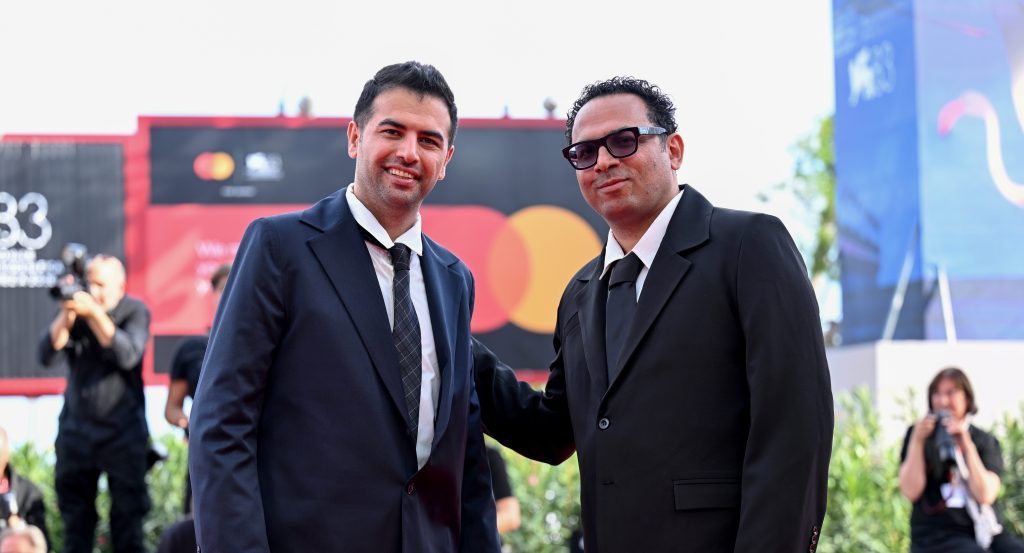
**Iranian Director Ali Asgari’s “A Bit Of Light” Opens at Venice Amid Political Turmoil**
Ali Asgari’s latest feature, *A Bit Of Light*, made its world debut as the penultimate film in competition at the 83rd Venice Film Festival on Friday night. The Tehran‑set drama follows a doctor who informs friends and family of his intention to end his life, taking viewers through the city’s hospitals, homes, and underground spaces.
The premiere drew a fifteen‑minute standing ovation in the nearby Sala Grande, underscoring the film’s emotional impact.
The story was crafted after the Islamic Republic’s January 2026 crackdown on pro‑democracy protests, in which thousands are believed to have died.
Asgari, who previously featured in *Divine Comedy* and *Disappearance*, says the events of 2025—when an armed conflict between Israel and Iran intensified—laid the emotional groundwork for the film.
He recalls a moment when bombs fell yet children played outside, noting, “Bombs were coming down every day but at the same time people were going about their lives. Children were playing in the streets.”
The film’s release in Venice signals a daring commentary on contemporary Iranian society, blending personal despair with broader political unrest. It also marks the first time Asgari has taken a lead producer role, partnering with Milad Khosravi of Seven Springs Pictures to navigate production risks and censorship concerns.
## Background & Context
The script for *A Bit Of Light* was conceived before January 2026, when escalating tensions between Iran and Israel heightened everyday life with the sound of rockets. Asgari explains that while bombs fell, life persisted: “There was a day when I had a really bad feeling because of the bombs and I called my mother.
She said, ‘Come to me.’” The conversation lasted about forty‑five minutes, during which she cooked a meal and bought bread, providing comfort amid approaching jets. This experience shaped the film’s juxtaposition of normalcy and crisis.
When the January crackdown erupted, the atmosphere in society turned deeply depressed.
The internet was cut off, leaving many unaware of the full scale of casualties. , a doctor friend filled in the gaps: “He basically lost hope for the future because he had seen so many people die and a lot of young, injured people.” Medical staff became key witnesses to the tragedy, inspiring the protagonist’s suicidal thoughts in the narrative.
Production logistics mirrored the political climate. Khosravi notes that after protests and war began, they feared regime reprisals: “We were worried that they would take our camera or even accuse us of being spies.” Official permission was impossible because Asgari is labeled an underground director.
To mitigate risk, they shot exterior scenes in Tehran but moved interior footage to Istanbul, where Iranian expatriates reside. The crew’s limited resources forced actors into multiple roles; the boom operator portrayed the protagonist’s younger brother, and Asgari himself appeared briefly as a regime‑supporting doctor.
## What People Are Saying
The film’s premiere drew a wide audience, prompting an impromptu interview with at the Excelsior Hotel. Asgari and Khosravi expressed mixed emotions: they were “happy and sombre.” They praised the festival’s recognition of Iranian cinema, noting that Venice would screen two Iranian films this year.
Khosravi highlighted the international film community’s role: “We don’t want to present ourselves as victims, but it’s important to talk about the difficulties facing filmmakers in Iran.”
Asgari also discussed the controversial decision to depict female characters without hijabs. He argues that in Tehran, women often go out without covering hair following the Women Life Freedom protests sparked by Mahsa Amini’s death. “Filmmakers need to arrive at a point where they tell the story of the current society,” he says.
“When you see women without hijab, shooting a film with them in hijab is ridiculous.” This choice reflects the shifting cultural landscape and challenges regime rules.
Regarding political implications, Asgari recounts being called in for questioning after Venice announced his film’s selection. “They asked me to explain why I made the film without their permission,” he says.
He defended his decision by ,800 people were killed over the course of two days in this country, as a filmmaker and as a human being, do I have the right to talk about it or not?” The conversation highlighted how even artistic expression can be viewed as political action in Iran.
## What Happens Next
Asgari’s future in Iran remains uncertain. He admits he has no idea how the film will be received once he returns home. “We’re living in a country where everything can be classed as a political act,” he notes.
The regime’s crackdown on internet use, even through Starlink, underscores the risks filmmakers face. Khosravi, now based in Istanbul, says he has no plans to return to Iran at present. He focuses on maintaining ties between global cinema and Iranian talent while supporting filmmakers under strain.
The festival’s platform offers a critical outlet for independent Iranian voices. Khosravi emphasizes that without external support, the cinematic tradition could be jeopardized by war and repression. “It is why support from festivals like Venice, which is playing two Iranian films this year, is so important,” he says.
The international exposure may open pathways for future projects and potential distribution deals outside Iran.
The premiere of *A Bit Of Light* thus serves as both a cinematic milestone and a stark reminder of the ongoing social and political challenges in Iran. As the film travels beyond Venice, its reception will likely be shaped by the very tensions that inspired it, offering a raw window into a society in flux.
Why It Matters
Our Take
GoNews Pulse Editorial Team
This article was prepared for publication by GoNews Pulse and checked for publication requirements under our editorial standards. We review available information and correct material errors when they are identified.
Quick Answers
- What is the latest update on this story?
- The film opens to a standing ovation at Venice, sparking a fierce debate over censorship and the future of women in Iranian cinema.
- Who is this story about?
- This article covers developments related to Ali Asgari’s ‘A Bit of Light’ Shocks Venice, Forces Censorship Debate. GoNews Pulse's editorial team monitors the story and updates the article as new verified information becomes available.
- Where can I read more about Ali Asgari?
- GoNews Pulse publishes original reporting on Ali Asgari and related entertainment news. Visit the homepage or browse the section dedicated to this story for the latest coverage.
Related topics
- #Ali Asgari
- #Venice Film Festival
- #Iranian cinema
More From This Section

Jon Gosselin's 22‑Year‑Old Son Exposes Abuse, Father Shouts Support
Jon Gosselin declares that his son’s 22‑year‑old memoir exposes alleged institutionalization and a hidden ‘small holding’ cell, sparking a national debate.

Mike Colter's Valley Firm AGI Bo Revealed at 2:00 a.m. Shocks Fans
Rob McClure's portrayal of Bo forces the firm to confront a real‑world AGI asking for legal guardrails, sparking a tense ethical debate.

Meredith Grey's bed proposal to Nick on surgery table stuns fans
Meredith Grey slipped a ring into Nick's hand while he lay on the operating table, a move that stunned fans amid the bridge collapse.