
Matt Bradley Is Stunned as Masked Settlers Assault Him in West Bank
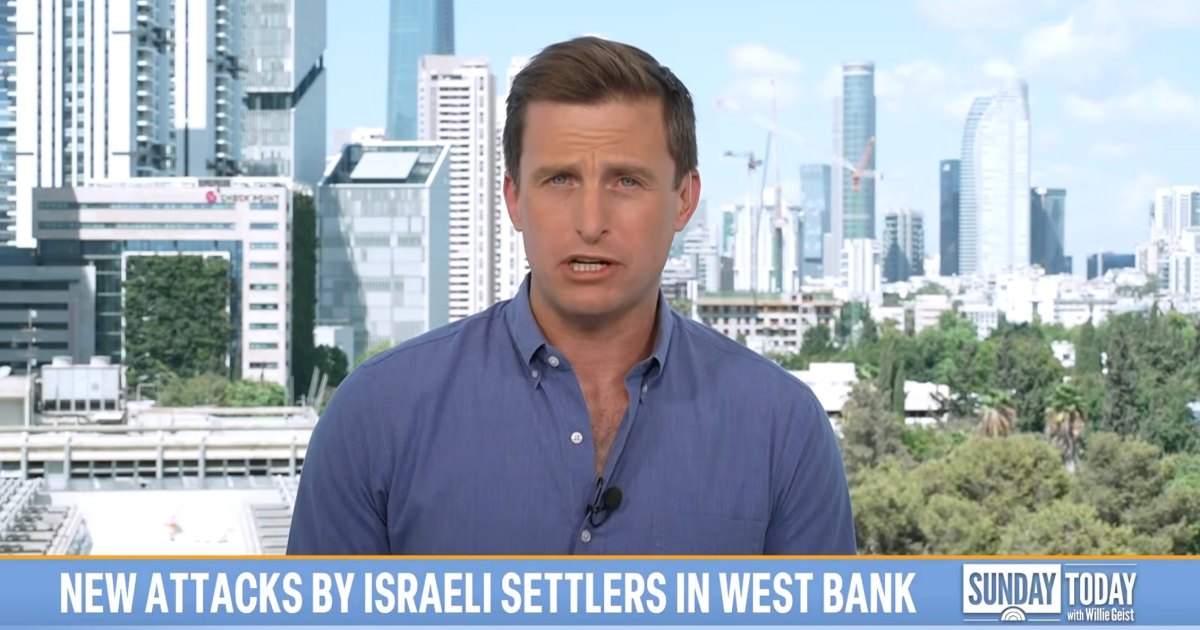
The incident unfolded on August 30, when international correspondent Matt Bradley and his crew were assaulted by masked men while covering reports of settler violence near Palestinian homes.
Bradley sustained injuries but is recovering, and the entire team, including a producer, cameraman, and driver, were hit with clubs and sticks. The attack drew condemnation from Israeli officials and heightened concerns about media safety in volatile regions.
Bradley’s footage showed the assailants arriving in a gray vehicle bearing an Israeli license plate. They smashed the windshield, then rushed to the scene, striking crew members and beating a local woman who had been interviewed for their story.
In subsequent interviews, Bradley confirmed that all staff are safe but have received varying injuries; one interviewee was later discharged from a nearby hospital.
The attack is part of an unprecedented surge in settler violence across the West Bank, Bradley’s own account. He emphasized that it represents just one incident among many, and he urged viewers to remain cautious when reporting in the area.
The incident has prompted discussions about protective protocols for journalists operating in contested zones.
## Background & Context
The West Bank has long been a flashpoint for tensions between Israeli settlers and Palestinian residents. Over the past decade, incidents of violence—ranging from property damage to physical assaults—have increased, reports from various human‑rights groups.
This rise has coincided with intensified settlement construction and frequent clashes at checkpoints.
Matt Bradley has covered conflict zones across the Middle East for several years, reporting on Egypt, Lebanon, and Iraq before joining a global news organization. His experience has included covering civil wars, refugee crises, and uprisings in neighboring territories.
Bradley’s deep familiarity with the region’s dynamics often informs his on‑the‑ground assessments.
During the August 30 incident, the assailants’ vehicle bore an Israeli license plate—a detail highlighted by Bradley to underscore the complexity of jurisdictional authority in the area. The presence of such a vehicle has, in past reports, been linked to both civilian and militia groups operating within settlement enclaves.
## What Happened
Bradley’s own video footage shows masked men emerging from the gray vehicle and smashing the windshield before charging toward the crew. The attackers brandished sticks and clubs, striking Bradley twice on the arm and hitting other members of the team, including a producer, cameraman, and a driver.
A Palestinian woman being interviewed—named Aida Ahmed Abdalla—was also struck and rendered unconscious.
In an interview with a national news anchor, Bradley described his injuries as manageable but confirmed that every crew member had taken blows. He added that the interviewee was later treated in a local hospital before being discharged.
The producer, speaking after receiving medical care, noted that the assault could have escalated further had the attackers used firearms.
The anchor who interviewed Bradley called the event “truly appalling,” expressing gratitude that all involved were safe. The correspondent’s social‑media posts included a clip of the attack, accompanied by a brief statement that all team members were recovering.
The footage provided visual evidence of the assault and served to inform viewers of the immediate danger faced by journalists in the region.
## Analysis
The assault highlights ongoing risks for media professionals covering conflict zones, particularly in areas where civilian and militant actors intersect. Experts on field safety point out that unpredictable escalations can occur with little warning, especially when local populations are involved.
The incident underscores the need for robust protective protocols and clear communication between news crews and security agencies.
Israeli officials responded by condemning the violence, describing it as criminal acts that undermine law‑abiding citizens and impede military operations. Their statement also criticized settlers’ violations of the law, .
The condemnation signals that the incident has triggered high‑level diplomatic reactions, though no formal investigation has been announced.
For reporters covering the West Bank, the attack may prompt re‑evaluation of risk assessments and field guidelines. Some journalists are calling for enhanced security training and better coordination with local authorities.
Others note that reporting on such sensitive issues remains essential, despite the inherent dangers, to shed light on ongoing human‑rights concerns in the area.
The broader pattern of settler violence continues to affect Palestinian communities, with reports of property damage, intimidation, and physical assaults rising in recent months. International observers have called for stronger enforcement of existing laws to protect civilians and curb unchecked aggression.
The incident involving Bradley adds a high‑profile example to these discussions and may influence future policy decisions regarding media safety and settlement regulation.
The attack also raises questions about the role of international news organizations in conflict reporting. While these outlets strive to provide frontline coverage, they must balance the imperative of informing the public with the safety of their personnel.
The incident may lead to a reassessment of deployment strategies and support mechanisms for crews operating in volatile environments.
The repercussions of Bradley’s assault extend beyond individual injuries. They reflect a broader climate of insecurity that can hinder transparent reporting on settlement activities and Palestinian grievances.
As media coverage shapes global understanding, the safety of journalists remains a critical concern for maintaining accurate and timely information flow from contested regions.
In sum, the attack on Matt Bradley and his crew serves as a stark reminder of the perils inherent in frontline journalism. It underscores the need for heightened protective measures, clearer legal frameworks to curb violent conduct, and continued vigilance to safeguard those who bring stories from the front lines to audiences worldwide.
Why It Matters
Our Take
GoNews Pulse Editorial Team
This article was prepared for publication by GoNews Pulse and checked for publication requirements under our editorial standards. We review available information and correct material errors when they are identified.
Quick Answers
- What is the latest update on this story?
- When masked settlers storm Matt Bradley’s crew, he is left stunned—a warning that a new wave of settler violence threatens reporters everywhere.
- Who is this story about?
- This article covers developments related to Matt Bradley Is Stunned as Masked Settlers Assault Him in West Bank. GoNews Pulse's editorial team monitors the story and updates the article as new verified information becomes available.
- Where can I read more about Matt Bradley?
- GoNews Pulse publishes original reporting on Matt Bradley and related entertainment news. Visit the homepage or browse the section dedicated to this story for the latest coverage.
Related topics
- #Matt Bradley
- #West Bank
- #Israeli officials
- #Palestinian conflict
More From This Section

Jon Gosselin's 22‑Year‑Old Son Exposes Abuse, Father Shouts Support
Jon Gosselin declares that his son’s 22‑year‑old memoir exposes alleged institutionalization and a hidden ‘small holding’ cell, sparking a national debate.

Mike Colter's Valley Firm AGI Bo Revealed at 2:00 a.m. Shocks Fans
Rob McClure's portrayal of Bo forces the firm to confront a real‑world AGI asking for legal guardrails, sparking a tense ethical debate.

Meredith Grey's bed proposal to Nick on surgery table stuns fans
Meredith Grey slipped a ring into Nick's hand while he lay on the operating table, a move that stunned fans amid the bridge collapse.