
Ian Gillan’s Hospitalization Shocked Fans, Cancels Two German Shows
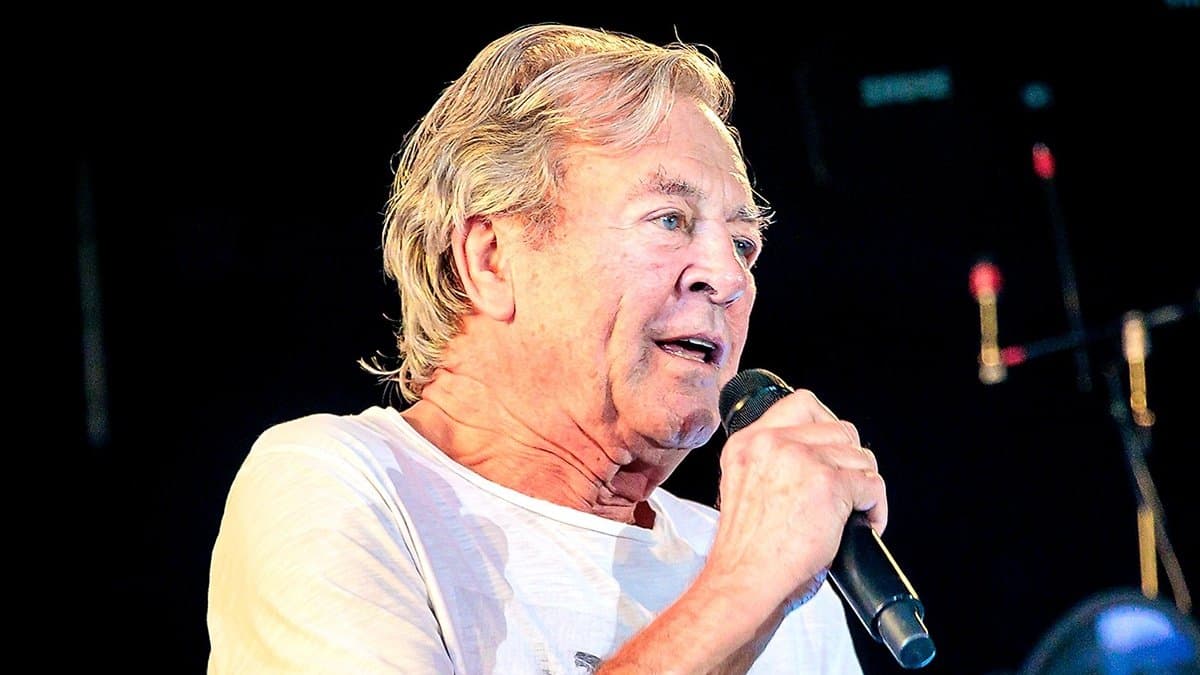
# Ian Gillan Hospitalized After Emergency, Deep Purple Cancels Two Shows The world of hard‑rock was stunned this past weekend when Deep Purple’s iconic frontman, Ian Gillan, was rushed to the hospital following an undisclosed medical emergency.
The news broke on the band’s Instagram account on Saturday morning, leaving fans in Leipzig and Hamburg scrambling to understand what had happened. In the same post, Deep Purple announced the cancellation of the QI Arena show in Leipzig that evening and the Sporthalle concert in Hamburg scheduled for the next night.
The band assured supporters that all tickets would be honored at a future date and promised a reschedule once Gillan’s health allowed. Gillan, who has been the voice of Deep Purple since the late 1960s, is no stranger to the stage.
His powerful tenor and soaring falsetto have defined classics such as “Smoke on the Water” and “Highway Star.” With a career spanning more than five decades, he has also pursued solo projects and collaborations, yet his commitment to Deep Purple has remained unwavering.
That commitment made this sudden medical crisis all the more shocking for a fanbase that has followed the band through its many lineup changes and genre-defining moments.
For fans, the sudden news felt like a double blow: the loss of a legendary singer’s health and the abrupt cancellation of two concerts that were set to be milestones in a tour that has been on the calendar for years.
In the age of instant updates, the band’s decision to handle the announcement through Instagram and to reassure ticket holders was a quick, albeit emotionally fraught, response.
The question now is what lies ahead for Gillan and Deep Purple as they navigate recovery, rescheduling, and the inevitable ripple effects across the music industry. ## Background & Context Deep Purple emerged from the British progressive rock scene in the late 1960s, becoming one of the first hard‑rock bands to combine heavy metal’s intensity with complex musical arrangements.
The group’s early lineup—Gillan, Ritchie Blackmore, Roger Glover, Jon Lord, and Ian Paice—set the stage for a career that would influence countless musicians. Over the years, the band has seen several member changes, yet the core identity forged during its formative years has endured.
Ian Gillan’s presence, with his unmistakable vocal range and stage charisma, has been a cornerstone of that identity. Gillan’s history with the band is a triumphs and turbulence.
He first joined in 1968, leaving briefly in the early 1970s, only to return in 1973 to replace the original vocalist. Since then, he has recorded and toured extensively, contributing to landmark albums like *Machine Head* (1972) and *Stormbringer* (1974).
His role expanded beyond the microphone; he has been a driving force in songwriting and production, especially during the band's later years. Gillan remains a live performer into his eighties underscores his resilience and dedication, making the current emergency all the more unexpected.
The tour in question was part of a larger strategy to re‑energize Deep Purple’s fan base after a period of intermittent touring. The band had announced a series of dates across Europe, aiming to reconnect with audiences in cities that had not seen a Purple show in decades.
The Leipzig and Hamburg concerts were highly anticipated, especially given the band’s historical significance in Germany, where the group first gained international attention with the iconic “Made in Germany” tour of 1972.
Cancelling these shows could ripple through the European tour schedule, potentially affecting other venues and logistical arrangements. ## What People Are Saying Social media erupted in a mix of concern, solidarity, and speculation.
Fans on Twitter and Facebook posted messages ranging from heartfelt prayers for Gillan’s recovery to updates on ticket refund policies.
One fan shared, “Ian has always given us our best on stage; we just hope he’s getting the care he needs.” Another commented, “Deep Purple has always been a family; we’re all behind them.” The community’s response highlighted the deep emotional connection many feel toward the band’s legacy.
Industry insiders offered their perspectives as well.
An executive from a major European touring company emphasized the importance of health and safety, noting that “performances are demanding, and the well-being of artists must come first.” A longtime booking agent, who has worked with legacy acts for decades, mentioned that “cancellation clauses are part of the contract, but the emotional impact on fans can’t be underestimated.” These remarks underscored the complex interplay between business logistics and the human element that defines live music.
Meanwhile, music journalists and critics reflected on Gillan’s career and the broader implications for the genre.
An article in a respected rock magazine noted that “Ian Gillan’s vocal stamina at 71 is remarkable, and his sudden hospitalization reminds us that even rock legends are not immune to health challenges.” The piece highlighted the need for touring companies to reevaluate health protocols for older performers, suggesting that the industry might see a shift in how veteran musicians plan their schedules.
Public sentiment also extended beyond the immediate fanbase. In Germany, where Deep Purple’s influence on the local music scene is still felt, several radio hosts took the opportunity to share memories of the band’s past performances, celebrating Gillan’s contribution while expressing hope for his recovery.
The sentiment was clear: the cultural impact of Deep Purple transcends mere ticket sales; it is part of a collective musical heritage. ## What Happens Next Deep Purple’s official statement promises that all ticket holders will be offered a rescheduled date, though the exact timeline remains uncertain.
The band has indicated that the rescheduling will take place “when the band is ready,” implicitly tying the decision to Gillan’s recovery progress.
As of now, no specific date or location has been announced, and the touring company is reportedly coordinating with venues to identify possible alternatives that accommodate the band’s logistics.
In the meantime, the band’s management has opened lines of communication with ticketing platforms to ensure that refunds or exchanges are processed smoothly. The prompt handling of ticket issues suggests an awareness of fan frustration and a commitment to maintaining goodwill.
Additionally, a spokesperson hinted at the possibility of a virtual event or livestream, though no concrete plans have been released. From a medical standpoint, the team treating Gillan is expected to provide updates only when the vocalist is ready to speak publicly.
Given the severity of the emergency—details have been withheld for privacy—the focus is likely to be on a gradual, cautious return to performance rather than an immediate comeback.
The band’s medical advisors are reportedly monitoring his progress closely, ensuring that any future performances would not compromise his health. Industry analysts predict that the situation could set a precedent for how touring schedules are managed for aging performers.
With the increasing number of legacy acts performing into their later years, there may be a push for more comprehensive health support systems on tour.
Some concert promoters have already begun to offer on‑site medical teams and more flexible rescheduling clauses in contracts, a trend that may accelerate in the wake of incidents like this. The broader implications also touch on the music community’s approach to caring for its own.
As the industry grapples with the physical demands of touring, there is growing awareness of the need for sustainable practices that honor both the artists’ health and the fans’ expectations.
This event could be a catalyst for discussions about rest periods, touring caps, and enhanced health insurance for performers, especially those whose careers span several decades. ## Closing Ian Gillan’s hospitalization and the subsequent cancellation of two Deep Purple concerts have sent shockwaves through the rock world, reminding fans that even the most enduring legends are human.
While the immediate focus is on Gillan’s health and the logistical challenges of rescheduling, the incident also opens a broader conversation about artist welfare, touring sustainability, and the responsibilities of the music industry.
As the band and its supporters navigate this uncertain period, the resilience that has defined Deep Purple for over half a century will undoubtedly guide them toward a hopeful recovery.
At a Glance
- Ian Gillan was rushed to hospital amid an undisclosed emergency, prompting Deep Purple to cancel Leipzig and Hamburg shows.
- The band announced the cancellations promising ticket holders future rescheduling and honoring all tickets.
- The incident highlights the growing need for health protocols and flexible touring arrangements for aging rock legends.
Why It Matters
Our Take
GoNews Pulse Editorial Team
This article was prepared for publication by GoNews Pulse and checked for publication requirements under our editorial standards. We review available information and correct material errors when they are identified.
Quick Answers
- What is the latest update on this story?
- The Deep Purple band’s Instagram post confirmed Gillan was hospitalized, canceling the Leipzig and Hamburg concerts, and vows tickets will be honored.
- Who is this story about?
- This article covers developments related to Ian Gillan’s Hospitalization Shocked Fans, Cancels Two German Shows. GoNews Pulse's editorial team monitors the story and updates the article as new verified information becomes available.
- Where can I read more about celebrity news?
- GoNews Pulse publishes original reporting on celebrity news and related entertainment news. Visit the homepage or browse the section dedicated to this story for the latest coverage.
More From This Section

Taylor Swift's $50K McDonald's Bag Gift Shocks Nelly Fans React
Taylor Swift handed Nelly a $50,000 envelope tucked in a McDonald’s bag, a gesture that sparked social media frenzy and raised questions about artist compensation.

Coachella 2027: Dua Lipa, SZA, Tame Impala Confirmed, BTS Declined
BTS says the two‑weekend commitment clashes with their tour schedule, sparking fan speculation and raising questions about festival logistics.

Raye scores, sings, and shapes Benny Safdie’s Lizard Music for 2027
Raye will compose the entire original score for Benny Safdie’s Lizard Music, a live‑action/CGI hybrid set to debut on U.S. screens this Christmas.