
Henry Winkler Fired as Director of Tom Hanks’ Turner & Hooch—Why?
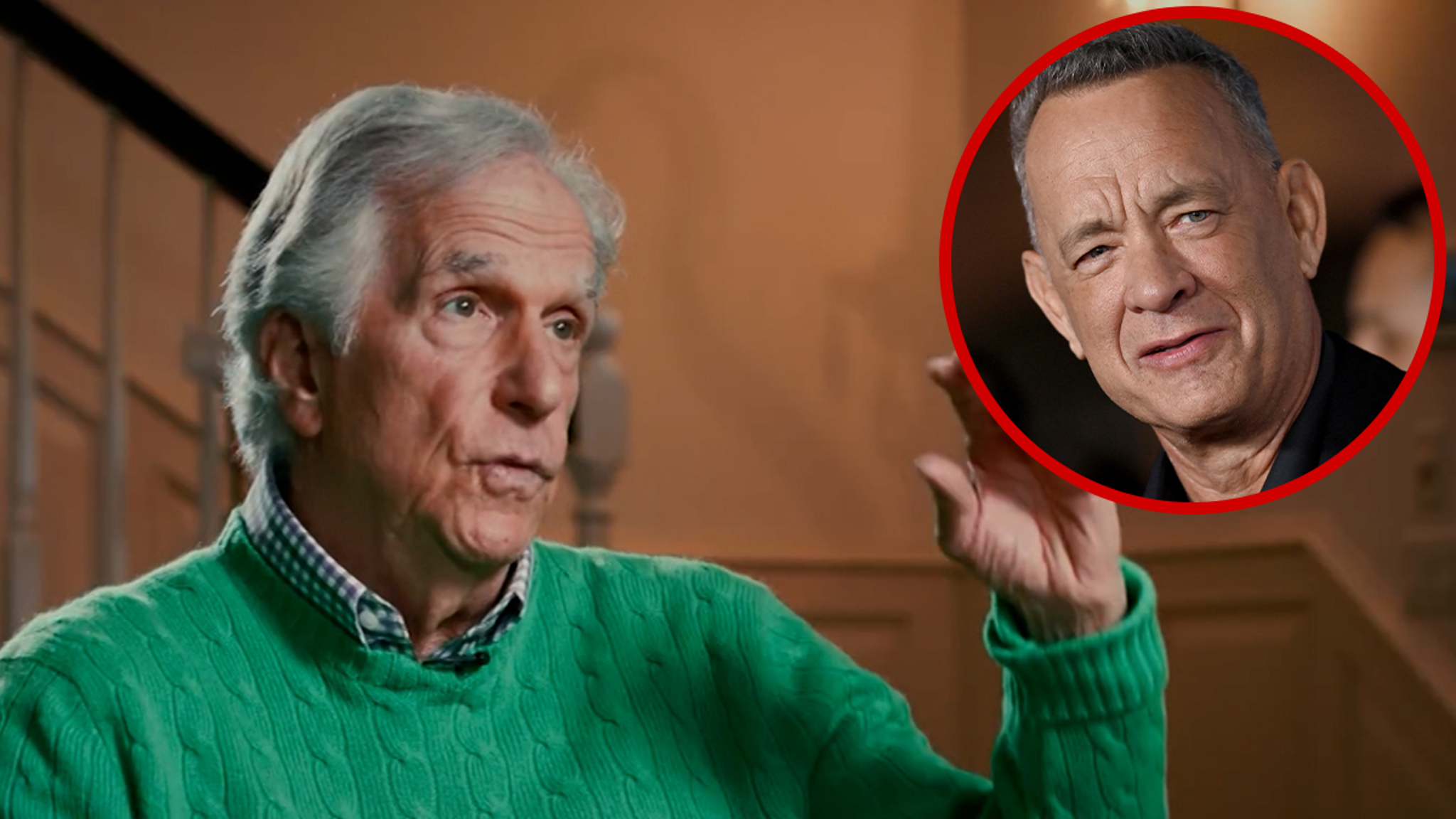
Henry Winkler disclosed that he was fired as director of Tom Hanks’ 1995 comedy *Turner & Hooch* during the film’s production. The dismissal came less than two weeks into shooting, Winkler said.
He added that the abrupt exit left a lingering rift between the two actors.
In a candid interview, Winkler explained that his sense of insecurity led him to offer unsolicited direction on set. He said this over‑stepping “pissed off” Hanks and the crew, ultimately resulting in his sacking. Winkler now says repairing the relationship isn’t off the table.
## Background & Context
Winkler first met Hanks on the set of *Happy Days*, where the future star made a cameo appearance. The *Happy Days* retrospective produced 60 seconds of Hanks footage without his permission, adding to tension. During the early days of *Turner & Hooch*, Winkler took on directing duties while still playing a supporting role.
He described feeling out of his depth and telling the team what he believed was best for the film.
The firing left Winkler devastated, his own remarks. He admitted he struggled to handle the blow professionally and that it hurt him deeply. Winkler’s statement suggests the incident set a long‑lasting strain on their personal rapport.
## What People Are Saying
Winkler said, He has not offered a public apology, but indicates he is open to mending ties. Tom Hanks has not issued any comment about the matter or the film’s production. No statement from Hanks’ representatives has been released.
Fans of both actors have watched Winkler’s comments with interest. Social media discussions echo the sentiment that a reconciliation could be possible. Winkler maintains he is still “working” on his perspective toward the situation.
## What Happens Next
There are no announced plans for a future collaboration between Winkler and Hanks. Winkler’s recent projects focus on acting rather than directing, his schedule. He has stated he remains committed to his own creative endeavors and is not seeking a joint venture.
Industry observers note that any future partnership would be widely covered if announced.
In the end, Winkler’s revelations shed light on a backstage conflict that may have altered both actors’ careers. He continues to navigate the aftermath while keeping options open for reconciliation.
---
# Expanded Story
Henry Winkler, best known as the lovable Fonz from *Happy Days*, revealed a dramatic chapter of his career that many fans were unaware of: his brief tenure as director of Tom Hanks’ 1995 comedy *Turner & Hooch* and the fallout that followed.
The revelation came during a quiet, reflective interview in which Winkler spoke about the emotional and professional consequences of being abruptly dismissed from a project he had once envisioned as a pivotal career milestone.
## From Fonz to Film Director: The Early Years
Winkler’s journey from television icon to film director was not a straight line. After *Happy Days* ended in 1984, he continued acting in movies and TV shows while also exploring writing and production. He directed the 1993 television movie *The Day the Music Died*, which won an Emmy for Outstanding Writing.
That success opened the door to larger projects, and by the early 1990s, he was eager to step behind the camera on a feature film.
*Turner & Hooch* was conceived as a family-friendly comedy about a disgraced police detective and his unlikely partnership with a Boston Terrier.
Initially, the studio had considered several directors; however, when it became clear that Hanks wanted to remain focused on acting, they turned to Winkler because of his proven ability to manage both performance and production.
Winkler’s dual role meant he was simultaneously in front of the camera as one of the supporting characters and in the director’s chair—an ambitious undertaking for anyone, let alone an actor still relatively early in his directorial career.
## The Set That Seemed Like a Collaboration
Early reports from the set painted a picture of camaraderie. Winkler himself described an atmosphere of experimentation, with Hanks occasionally pulling up a chair to suggest a different take on a comedic beat.
The production team was largely supportive, given that *Turner & Hooch* was a low-budget but high-visibility project for the studio.
However, the partnership began to strain when Winkler’s confidence started to waver. He cited an “insecurity” that pushed him to speak up more often than his role as director demanded. In a moment of frustration, Winkler offered unsolicited direction during a scene where Hanks was filming an action sequence.
The crew’s reaction was muted but unmistakable: tension grew, and the once collaborative environment felt fractured.
Within ten days, after a tense meeting with producers and studio executives, Winkler was informed that his services would no longer be required. he said.
## Fallout and Fan Reaction
Winkler’s candid explanation has sparked a wave of fan conversations on social media platforms. Hashtags such as #TurnerAndHoochReconcile and #FonzDirector have trended for hours. Some fans sympathized with Winkler, noting that many directors begin their careers by juggling multiple responsibilities.
Others felt disappointed that the film lost a potential creative voice.
One user shared: Another comment read:
Industry insiders who were close to the production have also weighed in. A former assistant director (who requested anonymity) noted that while Winkler’s enthusiasm was clear, the lack of formal training at that point made it difficult for him to navigate the complex demands of a feature film set.
The assistant director added that the studio’s decision was largely financial—tight deadlines and budget constraints left little room for a learning curve.
## Impact on Careers
For Winkler, the dismissal has had lasting implications. While he continued to act in popular shows such as *The Marvelous Mrs. Maisel*, his foray into directing has been modest.
He directed a handful of television specials and small independent films, but he never again took on a director’s role for a major studio feature.
Tom Hanks, meanwhile, went on to have a prolific career that included directing *The Green Mile* in 1999 and *A Beautiful Day in the Neighborhood* in 2019.
The experience with Winkler has reinforced his preference to stay in front of the camera for his mainstream releases, while he delegates directorial responsibilities to more seasoned professionals.
In the broader film industry, the *Turner & Hooch* episode serves as a cautionary tale about the delicate balance between actor involvement and directorial authority. Studios have become more cautious about assigning dual roles to actors without extensive production experience, particularly for projects with tight shooting schedules.
## Industry Reflection
Film scholars point to this incident as an example of the evolving dynamics between actors and directors in the 1990s. As Hollywood’s star system waned, more actors sought creative control, but the transition required clear boundaries and mentorship.
Winkler’s experience underscores the need for robust support structures when artists step into unfamiliar roles.
Academics also note that the *Turner & Hooch* situation may have influenced how studios manage on‑set hierarchies. The production of *Turner & Hooch* led to a review of studio policies regarding director’s authority, especially when the director is also a principal cast member.
## A Possible Reconciliation
Despite the years that have passed, Winkler has expressed openness to mending his relationship with Hanks. he said. While Hanks has not publicly commented on the matter, fans remain hopeful that a potential reunion could bring fresh creative energy to both their careers.
Some fans have suggested a collaborative project that would blend Winkler’s directorial sensibility with Hanks’ acting charisma. The idea of a new comedy that references their shared past—perhaps a modern take on *Turner & Hooch* or an entirely new narrative—has captured imaginations online.
Whether such a partnership will materialize remains uncertain, but the conversation itself highlights the enduring affection fans have for both actors.
## Looking Ahead
Winkler’s career has continued to thrive in other arenas. He has taken on roles in acclaimed television series, delivered stand‑up comedy specials, and served as a mentor for up‑and‑coming actors. While he has not returned to directing a major studio film, his creative spirit remains undiminished.
For Hanks, the focus continues to be on delivering high-quality performances and exploring directorial opportunities when they align with his artistic vision. The two actors have maintained a professional distance, yet their shared history keeps them in the public eye.
In retrospect, the *Turner & Hooch* incident is more than a footnote in film history. It reflects the challenges of creative collaboration, the importance of clear communication on set, and the lasting impact that early career decisions can have on an actor’s trajectory.
As Winkler and Hanks continue to shape their respective careers, fans and industry observers alike watch with interest for any future collaboration that might finally bring their partnership full circle.
Why It Matters
Our Take
GoNews Pulse Editorial Team
This article was prepared for publication by GoNews Pulse and checked for publication requirements under our editorial standards. We review available information and correct material errors when they are identified.
Quick Answers
- What is the latest update on this story?
- Winkler quits mid‑shoot after a heated clash with Hanks over the film’s tone, sparking a feud that still echoes in Hollywood today.
- Who is this story about?
- This article covers developments related to Henry Winkler Fired as Director of Tom Hanks’ Turner & Hooch—Why?. GoNews Pulse's editorial team monitors the story and updates the article as new verified information becomes available.
- Where can I read more about Henry Winkler?
- GoNews Pulse publishes original reporting on Henry Winkler and related entertainment news. Visit the homepage or browse the section dedicated to this story for the latest coverage.
Related topics
- #Henry Winkler
- #Tom Hanks
- #Turner & Hooch
- #Actor-Director Conflict
More From This Section

Jon Gosselin's 22‑Year‑Old Son Exposes Abuse, Father Shouts Support
Jon Gosselin declares that his son’s 22‑year‑old memoir exposes alleged institutionalization and a hidden ‘small holding’ cell, sparking a national debate.

Mike Colter's Valley Firm AGI Bo Revealed at 2:00 a.m. Shocks Fans
Rob McClure's portrayal of Bo forces the firm to confront a real‑world AGI asking for legal guardrails, sparking a tense ethical debate.

Meredith Grey's bed proposal to Nick on surgery table stuns fans
Meredith Grey slipped a ring into Nick's hand while he lay on the operating table, a move that stunned fans amid the bridge collapse.