
Harry Potter's 1,200‑Strong Security Boom Leaves London Fans on Edge
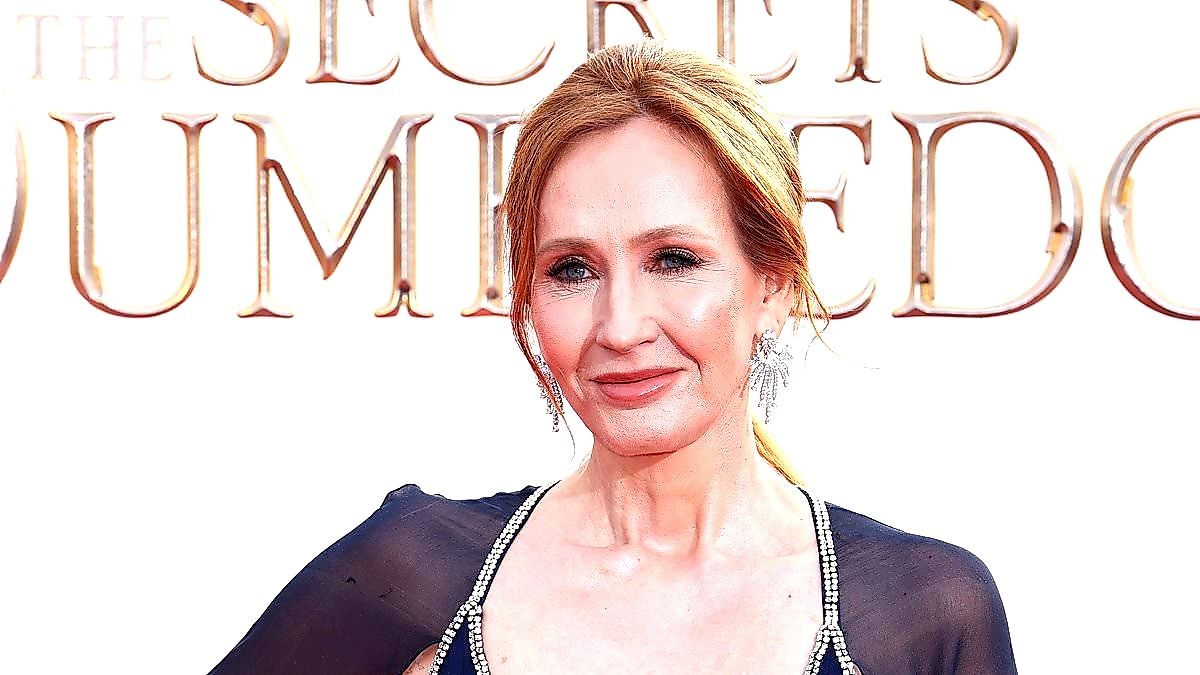
# Harry Potter's New Series Sets Up 1,200-Strong Security Detail for London Premiere The magic that once swept cinema screens is poised for a new chapter, but behind the curtain, a storm of protests threatens to eclipse the much‑anticipated HBO adaptation.
As London’s most iconic theater district prepares for a mid‑December debut, organizers have doubled the security presence at the Palace Theatre, vowing to keep talent and fans safe while the spotlight turns back to Hogwarts.
The decision comes after a wave of masked activists disrupted the gala premiere of *Harry Potter and the Cursed Child*, casting a shadow over what many hoped would be a celebratory night for the beloved franchise.
The cast, a glittering mix of seasoned performers and fresh faces, includes Nick Frost, Paul Whitehouse, John Lithgow, and Warwick Davis.
Each brings a distinct connection to the wizarding world—Frost as the mischievous Rubeus Hagrid in the film adaptations, Whitehouse’s comedic legacy, Lithgow’s portrayal of a young Albus Dumbledore in the first *Harry Potter* movie, and Davis’s iconic role as Hagrid across the series.
Their presence alone is expected to draw tens of thousands of fans, amplifying concerns that the event could become a flashpoint for broader cultural conflicts. For the creators and production team, the looming protests are not merely an inconvenience.
They underscore the deep divide that has erupted around J.K. Rowling’s public statements on gender identity, a controversy that has drawn the ire of LGBTQ+ activists and a number of cast members.
The heightened security is a pragmatic response to the potential for disruption, but it also signals how the conversation surrounding the series has shifted from storytelling to social politics. ## Background & Context The HBO series, titled *Harry Potter and the Philosopher's Stone*, is slated to premiere on HBO Max on Christmas Day.
Although Rowling’s name remains attached to the franchise, she will not serve as showrunner nor be credited as the series' creator, a change that reflects the growing distance between the author and the new production team.
Instead, her influence is largely ceremonial, limited to a few creative consults and the oversight of certain elements that honor the original books. The conflict that fuels the protests centers on Rowling’s vocal opposition to gender ideology.
She has repeatedly described transgender women as “men,” and has called for the protection of women‑only spaces. These positions have spurred backlash from many fans and actors alike.
Daniel Radcliffe and Emma Watson, who portrayed Harry and Hermione in the original film series, have publicly criticized Rowling, and the cast’s association with the new series has attracted scrutiny. John Lithgow, now cast as Dumbledore in the adaptation, has faced intense pressure to withdraw, .
Despite these tensions, Lithgow has maintained that the project is separate from Rowling’s political statements, emphasizing his commitment to the character and the story.
The Palace Theatre’s recent gala for *Harry Potter and the Cursed Child* turned into a battleground when masked activists staged a disruptive protest outside the venue. They attempted to block the red carpet, resulting in a physical confrontation with security and the staff.
The incident, which lasted several minutes, was captured on camera and quickly spread across social media.
It left organizers fearful that a similar scenario could unfold at the upcoming premiere, potentially jeopardizing the safety of attendees and the integrity of the event. ## What People Are Saying In the wake of the Palace Theatre disruption, Neil Blair, the literary agent representing Rowling, issued a statement condemning the demonstration.
He asserted that the activists’ actions endangered “the audience, cast, and theatre staff,” and urged that peaceful expression should not come at the expense of safety.
“We respect the right to express different views, but those rights must be exercised without putting others at risk,” Blair wrote, echoing a sentiment shared by many in the entertainment industry. The statement, while not specifying a particular outlet, was widely circulated on social media and in press releases.
A separate group, the Guild of Angry Transsexuals, released its own communique condemning the protest and the perceived funding of Rowling’s “legal attacks on trans people.” Their message, “We took action to make attendees of Rowling's Cursed Child aware that by continuing to fund her media and entertainment empire, they directly fund the legal attack on trans people, their rights and private lives,” highlights the depth of anger that some activists feel toward the author and, by extension, the upcoming series.
Within the cast, reactions have varied.
John Lithgow acknowledged the controversy head‑on, stating that he knows “every interview I will ever do for the rest of my life this will come up.” He cited an open letter from a friend with a trans child that urged him to step away from the project, but he ultimately chose to stay, insisting that his involvement should be separated from Rowling’s personal beliefs.
Nick Frost offered a more neutral stance, remarking that “she’s allowed her opinion and I’m allowed mine – they just don’t align in any way, shape or form.” These comments illustrate the complex navigation actors must undertake when their work becomes intertwined with political discourse.
Public reaction has been equally polarized. Some fans, loyal to the series’ legacy, have pledged to boycott the show in solidarity with the activists.
Others, drawn by the prospect of seeing beloved characters on screen again, argue that the production should proceed unimpeded.
The debate has spread beyond the confines of the theater, sparking discussions across fan forums, social media platforms, and community groups that question the intersection of art, politics, and personal expression. ## What Happens Next Organizers have announced that the security budget for the premiere has been increased significantly, deploying a 1,200‑strong force that will include both interior and perimeter guards.
The plan includes heightened surveillance, controlled entry points, and coordination with local law enforcement to preempt any attempts at disruption.
While the precise details remain confidential, the overarching goal is to ensure the event proceeds without incident and that every attendee—whether cast member, crew, or fan—can enjoy the premiere in a safe environment.
As the premiere date approaches, the production team is tightening protocols and holding briefings with the cast to prepare them for potential confrontations. The crew has also been instructed to remain vigilant, with contingency plans for rapid evacuation should a security breach occur.
In the backdrop, the broader cultural conversation continues to intensify, with activists planning organized marches and online campaigns that could influence the atmosphere outside the Palace Theatre. The series itself, though wrapped in controversy, remains a significant cultural moment.
Its release on HBO Max on Christmas Day will be watched by millions worldwide, and its performance could set a precedent for how high‑profile franchises handle contentious public debates.
The production team is closely monitoring audience reactions, particularly on social media, to gauge whether the polarizing discussions surrounding the author impact viewership or reception.
Meanwhile, Rowling’s level of involvement, though officially limited, continues to cast a long shadow over the project, reminding everyone that a single voice can ripple across a fanbase and shape the narrative in unforeseen ways.
In a world where art and politics increasingly collide, the *Harry Potter* premiere serves as a microcosm of larger societal tensions.
The organizers’ decision to amplify security reflects not only a logistical necessity but also a statement about the responsibility of entertainment to protect both the creative process and the community it serves.
The outcome of this high‑stakes event will likely influence how future adaptations navigate controversies, and whether the magic of storytelling can remain untarnished by the political storms that often accompany it.
At a Glance
- 1,200 security personnel deployed to Palace Theatre to guard against protests linked to Rowling’s gender‑identity stance.
- Cast includes Nick Frost, Paul Whitehouse, John Lithgow, Warwick Davis; actors weigh how to separate art from controversy.
- HBO series to premiere on HBO Max Christmas Day; political backlash may affect viewership and future franchise handling.
Why It Matters
Our Take
GoNews Pulse Editorial Team
This article was prepared for publication by GoNews Pulse and checked for publication requirements under our editorial standards. We review available information and correct material errors when they are identified.
Quick Answers
- What is the latest update on this story?
- Security chief vows 1,200 officers will guard every entrance to stop protest disruptions after masked activists hit the Palace Theatre red carpet.
- Who is this story about?
- This article covers developments related to Harry Potter's 1,200‑Strong Security Boom Leaves London Fans on Edge. GoNews Pulse's editorial team monitors the story and updates the article as new verified information becomes available.
- Where can I read more about celebrity news?
- GoNews Pulse publishes original reporting on celebrity news and related entertainment news. Visit the homepage or browse the section dedicated to this story for the latest coverage.
More From This Section
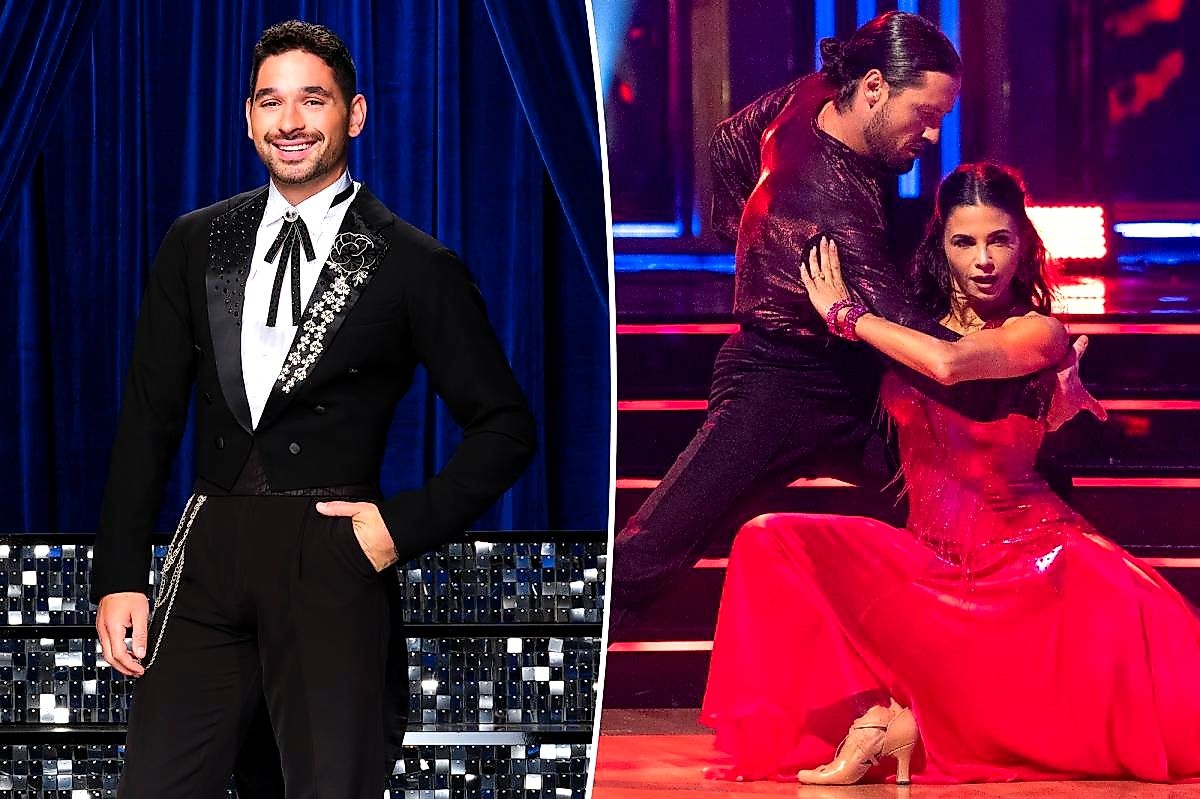
Alan Bersten 32 Steps In for Val Chmerkovskiy, Dazzles Jenna Dewan
Bersten posted a photo of himself waltzing with Dewan, captioning “I am so honored to be stepping in and dancing with @jennadewan,” sparking instant fan buzz.
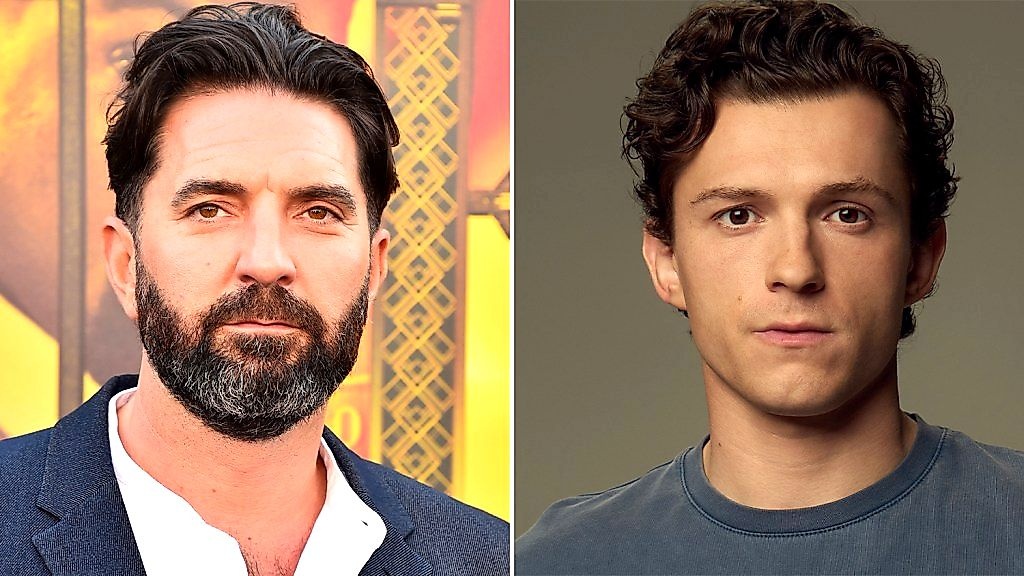
Tom Holland shatters star‑producer stereotypes with thriller 'Penthouse
Tom Holland will star as the film's lead while Drew Pearce pens the script, promising a fresh take on the thriller genre.
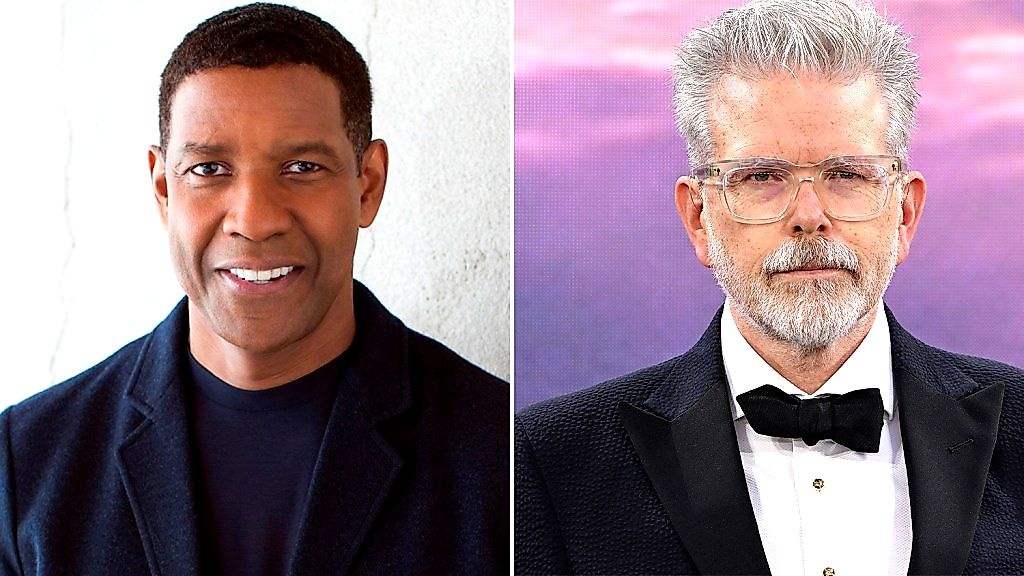
Denzel Washington's 6‑month thriller slams 2027 release, shocks fans
Washington will play a former detective fighting terminal brain cancer, with just six months to right past wrongs,