
Gypsy‑Rose Blanchard Confesses N‑Word Use, Shakes Prison, Surrenders
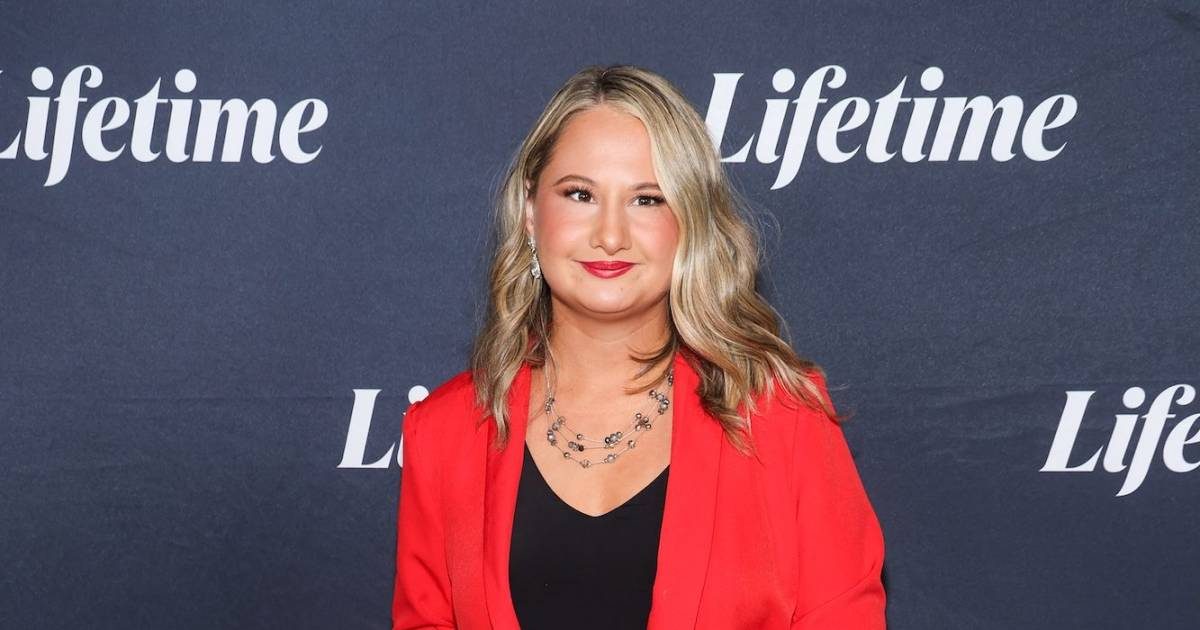
**Gypsy‑Rose Blanchard publicly apologized for repeatedly using the N‑word in resurfaced prison phone calls, calling the language “racist” and saying she is sorry to her sister, Mia, and her fiancé André.**
The apology came after clips of Blanchard’s conversations were shared on social media this week. In a statement posted to a TikTok account she deleted shortly afterward, the 35‑year‑old addressed the racist language she used in those calls and expressed remorse for the pain it caused.
Her remarks were part of a broader wave of attention that has surrounded her public persona since her release from Missouri prison in December 2023. The comments added a new layer to an already complex narrative involving her past conviction and ongoing media appearances.
---
## Background & Context
Gypsy‑Rose Blanchard’s story began in 2015 when she was convicted of second‑degree murder for the death of her mother, Clauddine “Dee Dee” Blanchard.
In a case that captured national attention, Gypsy‑Rose had been the subject of a long‑standing medical condition known as **Munchausen by proxy**, which had led to years of abuse and the creation of a false illness narrative. After pleading guilty, she was sentenced to 10 years in federal prison.
She spent most of her sentence at Chillicothe Correctional Center, a facility that has been criticized for its conditions and for the way it handles inmates with complicated personal histories.
When she was released in December 2023, Gypsy‑Rose quickly re‑entered the spotlight. The Netflix series *The Gypsy Rose: Life After Lock Up* premiered in early 2024, offering viewers a glimpse of her attempt to rebuild her life outside of confinement.
She also turned to TikTok, where she posted short videos that ranged from candid reflections on prison life to attempts at building a brand around her newfound freedom.
In late August, a series of audio‑visual clips from phone calls recorded during her incarceration surfaced online.
These weren’t the dramatized scenes from the series; they were raw, unedited conversations between Gypsy‑Rose and family members—including her sister Mia and her ex‑husband Ryan Anderson—made inside the prison’s monitoring system.
The clips were taken from longer calls that had been captured by prison staff or by a third party who later uploaded them to a public platform. In one exchange, Gypsy‑Rose lightly broached Mia’s dating history and specifically mentioned her fiancé André, a Black man.
In a separate call, she used the N‑word repeatedly when referring to fellow inmates, employing it for emphasis. The stark contrast between her self‑portrayed image as a “reformed” individual and the harsh language revealed in these calls created an immediate backlash.
The resurfacing of these recordings forced Gypsy‑Rose into a position she had largely avoided since her release. The public had already been watching her navigate a delicate path of redemption, but the new footage threatened to undo the progress she had made and reignite questions about whether she was truly on the road to transformation.
---
## What People Are Saying
### Social Media Storm
Within minutes of the clips’ appearance, hashtags such as #GypsyRoseApology and #ReformedVsReal spread across TikTok, Twitter, and Instagram. Supporters who had followed her journey expressed surprise and disappointment. One TikTok user wrote, “I thought she was on a comeback track.
This is a whole different story.” Others criticized the platform that allowed such content to surface, demanding stricter controls over inmate communications.
### Responses from Family
While Mia Blanchard’s public response remained muted, family members posted private messages to Gypsy‑Rose after the apology statement. In a text exchange, Mia confirmed that she had indeed heard the calls but chose not to make a public statement.
She noted her appreciation for Gypsy‑Rose’s “effort” to apologize, though she emphasized that healing would take time.
André, who was visibly upset by the use of the N‑word, shared a short Instagram Reel where he thanked Gypsy‑Rose for her acknowledgment but asked for concrete steps instead of words alone. “Apology is a start,” he said, “but we need to see consistent change.”
### Public Sentiment
Broadly, public sentiment fell into three buckets: **sympathy**, **skepticism**, and **outrage**. Those who sympathized with Gypsy‑Rose’s situation cited her history of abuse and the challenges of reintegration.
Skeptics questioned whether an apology—especially one posted on a deleted TikTok account—would be sufficient to counteract the damage done by the N‑word. Outrage was most intense in communities directly affected by systemic racism, where many felt that the apology did not address the deeper context of the word’s historical weight.
### Influencer and Industry Voices
Several content creators who had previously collaborated with Gypsy‑Rose addressed the incident in comment threads. In a YouTube video titled “Reforming or Reinventing?”, an influencer discussed how public apologies can be part of a redemption arc but also highlighted that accountability must extend beyond social media statements.
Meanwhile, industry insiders in reality TV noted that the incident could alter casting decisions for future projects featuring individuals with criminal records.
---
## What Happens Next
### Legal and Institutional Implications
There are no known legal actions pending against Gypsy‑Rose in connection with these calls. The recordings were obtained through standard prison monitoring protocols, and no new charges have been filed.
However, the Missouri Department of Corrections released a statement reminding inmates of the consequences of violating communication guidelines—particularly the use of discriminatory language—though they did not single out Gypsy‑Rose.
### Media Trajectory
Gypsy‑Rose’s media presence will likely shift in response to this event. While *The Gypsy Rose: Life After Lock Up* was slated for a second season, the network has issued a brief statement indicating that production will proceed but with heightened scrutiny regarding content quality control.
The network’s social media teams are also tightening their vetting process for behind‑the‑scenes footage to avoid future leaks.
On TikTok, after deleting the apology post, Gypsy‑Rose has begun posting short videos that focus on community outreach and education about the impacts of language.
In one video, she discussed the historical context of the N‑word and explained why its usage is considered offensive, hoping to educate her followers rather than simply defend herself.
### Fan Engagement Strategies
Gypsy‑Rose’s next move appears to be a more direct engagement with her audience. She has announced a series of “Q&A” livestreams scheduled for the coming weeks where she will answer questions about rehabilitation, mental health, and the responsibility of public figures to acknowledge past mistakes.
These sessions aim to rebuild trust but will also serve as a platform for her to demonstrate genuine learning.
### Industry Impact
From an industry standpoint, this incident has sparked conversations about how reality television handles former inmates and people with complicated histories.
Producers are now debating whether to provide more comprehensive support—mental health counseling, language training, and community integration programs—to participants who transition from incarceration to on‑screen presence.
The situation may also influence contract clauses that address the use of protected language, setting a new standard for accountability in entertainment contracts.
---
## A Broader Reflection
Gypsy‑Rose Blanchard’s apology is more than a personal mea culpa; it highlights the intersection of personal redemption, public perception, and the power of language. The N‑word, steeped in a legacy of oppression, carries weight that can’t be erased by a single statement.
Yet the willingness to own one’s mistakes can serve as a catalyst for learning and growth.
Her case underscores how quickly social media can amplify hidden moments, turning private conversations into public controversies. It also demonstrates that redemption is not linear; setbacks are inevitable, but they need to be met with transparency and sustained action.
As Gypsy‑Rose moves forward, the community will watch closely. Whether her future initiatives—whether on television or through personal outreach—can overcome the damage caused by past words remains uncertain.
What is clear is that accountability now demands more than an apology; it requires a commitment to continuous self‑education, empathy, and tangible steps toward eradicating the behaviors that harm others.
**Gypsy‑Rose Blanchard’s apology comes at a pivotal moment in her journey from incarceration to public life. How she navigates this new chapter will likely shape not only her own narrative but also broader conversations about rehabilitation, representation, and the lasting impact of language in contemporary society.**
Why It Matters
Our Take
GoNews Pulse Editorial Team
This article was prepared for publication by GoNews Pulse and checked for publication requirements under our editorial standards. We review available information and correct material errors when they are identified.
Quick Answers
- What is the latest update on this story?
- She confesses in a prison call, apologizes to sister and fiancé, and everyone gasps.
- Who is this story about?
- This article covers developments related to Gypsy‑Rose Blanchard Confesses N‑Word Use, Shakes Prison, Surrenders. GoNews Pulse's editorial team monitors the story and updates the article as new verified information becomes available.
- Where can I read more about TikTok apology?
- GoNews Pulse publishes original reporting on TikTok apology and related entertainment news. Visit the homepage or browse the section dedicated to this story for the latest coverage.
Related topics
- #TikTok apology
More From This Section

Jon Gosselin's 22‑Year‑Old Son Exposes Abuse, Father Shouts Support
Jon Gosselin declares that his son’s 22‑year‑old memoir exposes alleged institutionalization and a hidden ‘small holding’ cell, sparking a national debate.

Mike Colter's Valley Firm AGI Bo Revealed at 2:00 a.m. Shocks Fans
Rob McClure's portrayal of Bo forces the firm to confront a real‑world AGI asking for legal guardrails, sparking a tense ethical debate.

Meredith Grey's bed proposal to Nick on surgery table stuns fans
Meredith Grey slipped a ring into Nick's hand while he lay on the operating table, a move that stunned fans amid the bridge collapse.