
Greg Schriefer’s $200k Revolving Note in Clive Davis’s Will Shakes Fans
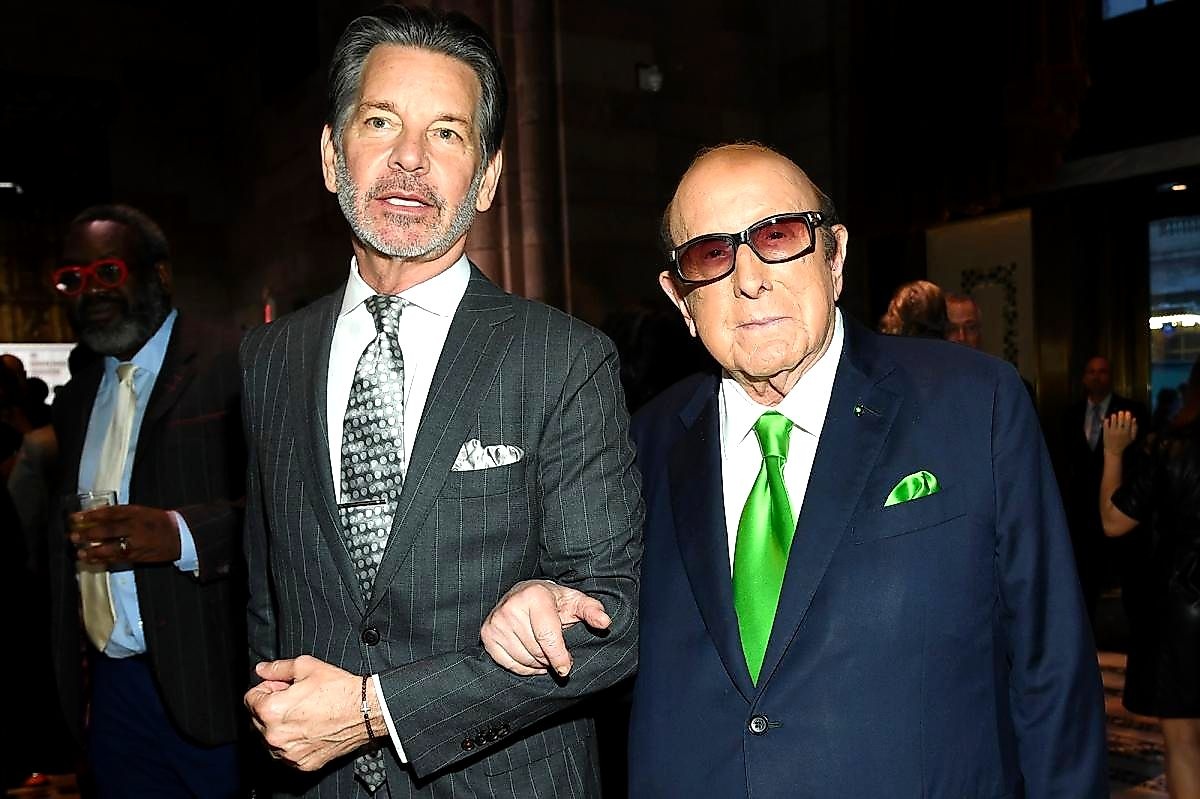
# **Greg Schriefer Declares “No Sour Notes” in Clive Davis’s Will Over $200k Debt** Clive Davis, the legendary music executive who shaped the careers of Beyoncé, Mariah Carey, and the Jackson 5, passed away on June 22 at his Park Avenue penthouse.
In the weeks that followed, a revelation from his final will stirred a mix of intrigue and sympathy. A clause earmarked a debt owed to his longtime partner, Greg Schriefer, that would not be forgiven after Davis’s death.
Schriefer, who had stood by the mogul for more than two decades, publicly dismissed the controversy, insisting the matter was settled and that the clause reflected a pre‑existing agreement.
The clash between a public document and a private relationship has captured the attention of fans, legal analysts, and those who admired Davis’s generosity.
The will, signed on April 16, lists a line that reads, “If, at my death, GREG shall be indebted to me, any outstanding debt under the agreement shall not be extinguished and shall not be cancelled.” The reference to a “Greg’s Revolving Note,” dated September 18, 2025, is puzzling, given the note’s future date and Davis died months earlier. the loan was intended to allow Schriefer to purchase property in his hometown, with the expectation that the repayment would come from his inherited share of Davis’s estate.
In short, the will appeared to leave a clean slate for other creditors while preserving the loan. Schriefer’s response has been both emotional and factual.
“We were in total agreement when I went to the reading of the will. There’s nothing more to be said about it.
It was an agreement between Clive and myself, and I promised to pay that back,” he told reporters. He stressed that the clause was a mutual arrangement and that he did not wish to tarnish Davis’s legacy.
“I don’t want people thinking badly of Clive because I loved him very much and he took care of me,” he said. “Clive was extremely generous to me in his estate plans…
I miss him terribly.” The tone suggests a man grappling with grief while defending a long‑standing pact. ## Background & Context Clive Davis’s name is almost synonymous with the modern sound of pop and R&B.
As the founder of Arista Records, he launched or re‑launched the careers of countless artists, wielding a keen ear for talent and a knack for turning potential into platinum success.
Beyond the studio, Davis was known for his open mind and progressive views, publicly coming out as bisexual in his 2013 memoir, *The Soundtrack of My Life*. That candidness foreshadowed his lifelong commitment to authenticity, both on and off the stage.
In the late 1990s, Davis met Greg Schriefer, a fellow entrepreneur and friend, and the two forged a partnership that would last 21 years. Their relationship was not only personal but also professional, with Schriefer often acting as Davis’s confidant and right‑hand man.
Together they traveled, celebrated milestones, and faced the inevitable challenges that accompany a life in the public eye.
In interviews, Schriefer described Davis as “my greatest source of inspiration, my teacher, my confidant, and my best friend.” The bond extended beyond affection; it carried a deep sense of trust that informed every decision they made together.
The financial arrangement that now sits at the center of controversy was part of a broader strategy to secure Schriefer’s future. Davis, with his vast wealth, offered a “Revolving Note” to Schriefer, allowing him to acquire property in his hometown.
The expectation was straightforward: the loan would be repaid from Schriefer’s inheritance after Davis’s passing. By embedding the clause in the will, Davis sought to preserve the loan’s enforceability while shielding other heirs from potential disputes.
Yet the wording, coupled with the note’s posthumous date, raised eyebrows and led to speculation that the clause was an attempt to circumvent customary estate practices. ## What People Are Saying Reactions to the will’s clause have been polarized.
Some viewers see Schriefer’s statement as an attempt to protect his own financial interests, while others view it as a complex partnership that blended love and business.
Social media platforms have been flooded with comments ranging from sympathy for the grieving duo to accusations that the clause was a legal maneuver designed to prioritize one relationship over others.
In the broader entertainment community, the incident has prompted discussions about how estate planning intersects with personal relationships, especially for high‑profile figures whose wealth and influence can dwarf ordinary considerations.
Within the industry, a few insiders shared that they had heard of Davis’s willingness to make generous provisions for friends and partners, but they were surprised by the specificity of the clause. “It’s unusual to see a will that singles out one individual in such a way,” one former executive said.
“But given how hands‑on Davis was, it’s not entirely out of character.” Another industry veteran pointed out that estate lawyers often craft clauses that protect creditors while maintaining flexibility for heirs, and that the wording in Davis’s will might simply reflect a standard legal precaution.
Meanwhile, fans of Davis’s legacy have largely focused on the man’s artistic influence. Tribute videos and fan forums highlighted his role in shaping contemporary music, his mentorship of artists, and his fearless advocacy for LGBTQ+ rights.
These communities emphasize that while legal documents may reveal complexities, they should not eclipse the positive impact Davis had on the music world.
“Clive gave us so much,” one longtime fan wrote, “he helped artists find their voice, and we will always honor that.” ## What Happens Next Legally, the clause in Davis’s will obliges Schriefer to repay the loan, even after the estate is distributed.
Because the debt is explicitly noted in the final document, it will be upheld by the probate court, assuming the will is executed in accordance with New York state law.
Schriefer’s acknowledgment of the agreement suggests he is prepared to honor his commitment, which may ease any future disputes among the remaining heirs or beneficiaries. The estate’s executors will now face the task of balancing the repayment schedule with the distribution of assets.
They must determine how Schriefer’s repayment will be structured—whether it will be an upfront payment, installments, or some other arrangement. If Schriefer can demonstrate that the loan is paid in full, the estate may close without further litigation.
However, should any complications arise—such as Schriefer’s inability to repay—the estate could face additional legal battles, potentially involving claims from other beneficiaries who might argue that the clause was an overreach.
Beyond the courtroom, the public narrative around Davis’s legacy will likely continue to evolve. His death prompted renewed interest in his catalog, prompting record labels to reissue classic albums and documentaries.
The conversation around his personal life, particularly his openness about his sexuality and his partnership with Schriefer, will remain a focal point for biographers and scholars studying LGBTQ+ representation in the music industry.
In the coming months, music historians, estate attorneys, and fans will watch closely as the legal and emotional threads of Davis’s final days intersect.
Clive Davis left an indelible mark on the music landscape, and his final days reflect the intricate relationships, contracts, and legacies that define a life lived at the intersection of art and business.
As the estate proceeds through its legal processes, the world will no doubt keep a keen eye on how a single clause in a will can illuminate the depths of a partnership that spanned more than two decades.
At a Glance
- Clive Davis’s will includes a clause that preserves a $200,000 revolving note owed to longtime partner Greg Schriefer, even after Davis’s death.
- Schriefer publicly defends the clause as a mutual agreement, insisting he will honor the debt and hopes it won’t tarnish Davis’s legacy.
- The clause sets a legal precedent for estates to protect personal loans while exempting other creditors, raising questions about fairness and transparency.
Why It Matters
Our Take
GoNews Pulse Editorial Team
This article was prepared for publication by GoNews Pulse and checked for publication requirements under our editorial standards. We review available information and correct material errors when they are identified.
Quick Answers
- What is the latest update on this story?
- Greg Schriefer says the $200k debt clause in Clive Davis’s will was a mutual pact, declaring “I promised to pay that back” to protect Davis’s legacy.
- Who is this story about?
- This article covers developments related to Greg Schriefer’s $200k Revolving Note in Clive Davis’s Will Shakes Fans. GoNews Pulse's editorial team monitors the story and updates the article as new verified information becomes available.
- Where can I read more about celebrity news?
- GoNews Pulse publishes original reporting on celebrity news and related entertainment news. Visit the homepage or browse the section dedicated to this story for the latest coverage.
More From This Section

Mila Kunis reveals she and Kutcher kissed the same two actresses
During a Kelly Ripa podcast, Kunis said, 'They kissed me and I kissed them,' adding she kissed them in 2010 Black Swan, sparking wild speculation.

Patrick Stewart's final set scene in 2026 tears fans as he delivers farewell
Patrick Stewart whispers 'thank you' to the crew in a tearful speech, hinting this may be his final film set appearance and the studio audience gasps.

Ariana Grande's 33-Year-Old Shuts Down 10-Year Management Feeling Unsafe
She said, 'When you have safety around you, your body knows,' after cutting ties with her manager, sparking debate on artist safety and freedom.