
Grace Kelley, Wynonna Judd's daughter, denied jail leave for birth
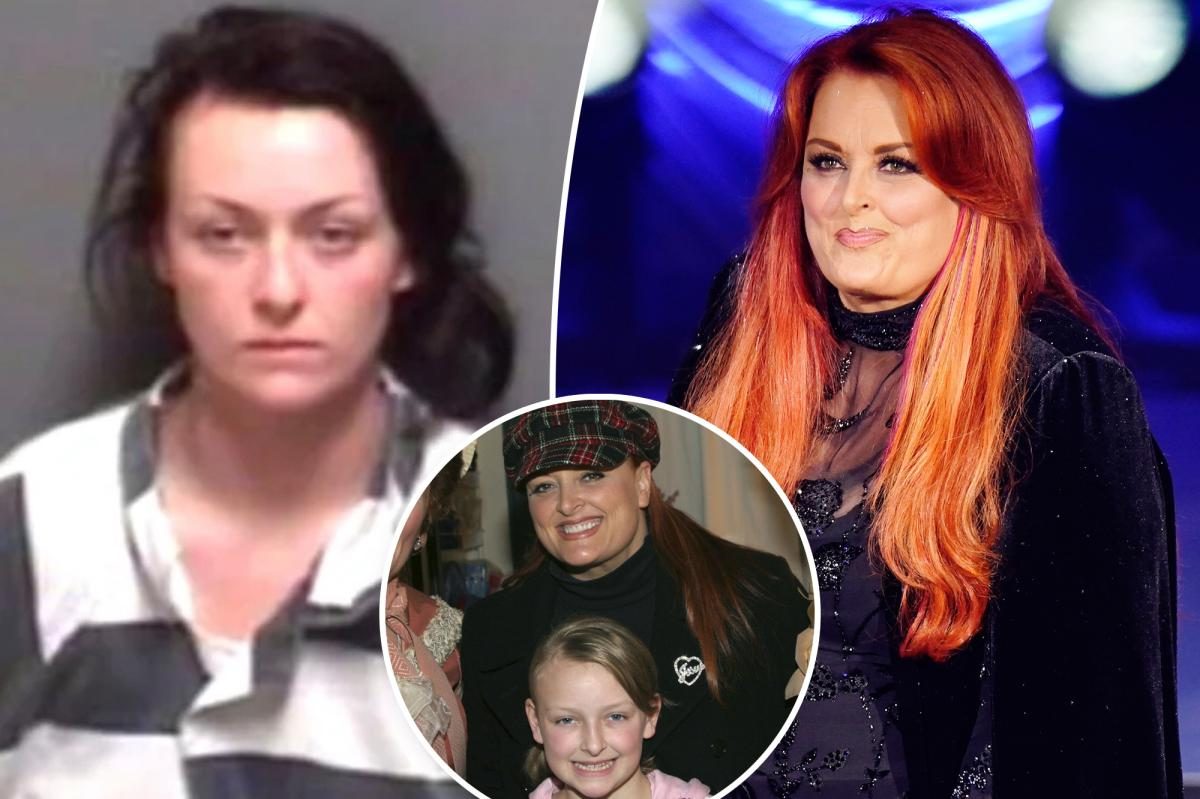
Grace Kelley, the 30‑year‑old daughter of country icon Wynonna Judd, is currently confined at Rockingham County Jail in Harrisonburg, Virginia. A recent court filing reveals that Kelley is pregnant with a baby due around August 16.
Her legal team requested a temporary furlough on July 2 so she could attend the delivery, but the judge denied the request two weeks later.
Instead of a brief release, Kelley will be escorted by the Rockingham County Sheriff’s Office to a hospital for a scheduled cesarean section. It is still unclear whether the procedure has taken place or when it will occur. The denial comes as authorities continue to evaluate her broader release and supervision plans.
## Background & Context
Kelley entered a guilty plea in June on a felony charge of driving with a suspended or revoked license, which carries a maximum penalty of 15 months in jail. Her conviction follows a longer criminal history that began in 2015.
Under the sentencing agreement, she is set for release on November 16, after which she will serve five years of supervised probation. Court documents note that Kelley has “no contact with her biological family in Tennessee” and receives “no contact or support from that side of the family,” including her biological mother.
In April 2022, while incarcerated at the same facility, Kelley gave birth to a daughter named Kaliyah. The court granted her a leave of absence to attend the birth, and Kaliyah now lives with Wynonna Judd on the singer’s farm in Tennessee.
The family dynamic remains strained; Kelley’s ties to other relatives have been described as minimal, and the two families often communicate only through occasional letters.
## The Decision to Deny Furlough
The judge’s decision was grounded in concerns over security and procedural compliance. While the court acknowledged Kelley’s pregnancy, it cited insufficient medical documentation and questions about the custody arrangement for the newborn.
In addition, the judge emphasized that any temporary release would require a detailed plan for transport, supervision, and post‑delivery monitoring—elements that were not fully addressed in Kelley’s application.
Kelley’s legal counsel did not issue a statement in response to the denial. The representative for Wynonna Judd likewise remained silent on the matter.
In a January 2025 interview with a national morning show, Judd reflected on her family life, saying, “Food, family and fun is my goal.” She added that their household “doesn’t do phones at dinner” and that they “don’t watch television unless it’s planned,” underscoring the simplicity and order she strives for in her personal sphere.
## Fan Reaction
The announcement ignited a wave of reactions across social media platforms. Supporters of Wynonna Judd expressed concern about the safety of Kelley’s pregnancy, while others called for compassion and better access to medical care for incarcerated mothers.
A #GraceKelley hashtag trended briefly on Twitter, with many users sharing stories of their own experiences with the criminal justice system and advocating for reforms that allow pregnant inmates to receive adequate prenatal support.
Conversely, a segment of the fan base questioned whether Kelley’s personal choices influenced her mother’s public image. Some tweets criticized the decision to keep Kelley from participating in family events, arguing that it perpetuates a cycle of isolation.
A handful of musicians and industry insiders weighed in on Instagram Stories, emphasizing the need for transparency and fairness in how the courts handle such cases.
## Industry Impact
While Wynonna Judd’s career has largely remained intact, the situation has sparked broader conversations within the country music community about how artists navigate personal hardships that intersect with public scrutiny.
A panel of country music journalists at a recent industry conference discussed the delicate balance between privacy and accountability for musicians’ families. They highlighted how high‑profile cases like Kelley’s can influence public perception and, ultimately, an artist’s brand.
the incident prompted a few record labels to revisit their policies regarding artists whose family members face legal challenges.
Several executives in the conversation expressed a desire to support their artists through “careful communication strategies and compassionate outreach,” suggesting that the industry is increasingly attuned to the complexities of personal narratives.
## What Happens Next
Kelley’s scheduled cesarean section remains pending, with no official update on whether it has taken place. Her release date is set for November 16, following which she will embark on a five‑year supervised probation period.
The court has not yet announced the specific conditions of her probation, but it is expected to include regular check‑ins with a probation officer and mandatory participation in any counseling or support services deemed necessary by the judge.
Until further information emerges, observers await new court filings or official statements that may clarify Kelley’s medical status, the fate of her newborn, and any post‑release custody arrangements.
Fans and industry watchers alike remain on standby, hoping for a resolution that safeguards both mother and child while respecting the legal framework governing her case.
---
Why It Matters
Our Take
GoNews Pulse Editorial Team
This article was prepared for publication by GoNews Pulse and checked for publication requirements under our editorial standards. We review available information and correct material errors when they are identified.
Quick Answers
- What is the latest update on this story?
- When Wynonna Judd’s daughter is denied jail leave to deliver her baby, the debate over prison prenatal care intensifies.
- Who is this story about?
- This article covers developments related to Grace Kelley, Wynonna Judd's daughter, denied jail leave for birth. GoNews Pulse's editorial team monitors the story and updates the article as new verified information becomes available.
- Where can I read more about Grace Kelley?
- GoNews Pulse publishes original reporting on Grace Kelley and related entertainment news. Visit the homepage or browse the section dedicated to this story for the latest coverage.
Related topics
- #Grace Kelley
- #Wynonna Judd
- #Incarcerated Mothers
More From This Section

Jon Gosselin's 22‑Year‑Old Son Exposes Abuse, Father Shouts Support
Jon Gosselin declares that his son’s 22‑year‑old memoir exposes alleged institutionalization and a hidden ‘small holding’ cell, sparking a national debate.

Mike Colter's Valley Firm AGI Bo Revealed at 2:00 a.m. Shocks Fans
Rob McClure's portrayal of Bo forces the firm to confront a real‑world AGI asking for legal guardrails, sparking a tense ethical debate.

Meredith Grey's bed proposal to Nick on surgery table stuns fans
Meredith Grey slipped a ring into Nick's hand while he lay on the operating table, a move that stunned fans amid the bridge collapse.