
Gibney’s ‘Musk’ film sparks Elon’s 2‑minute hate tweet, sparking drama
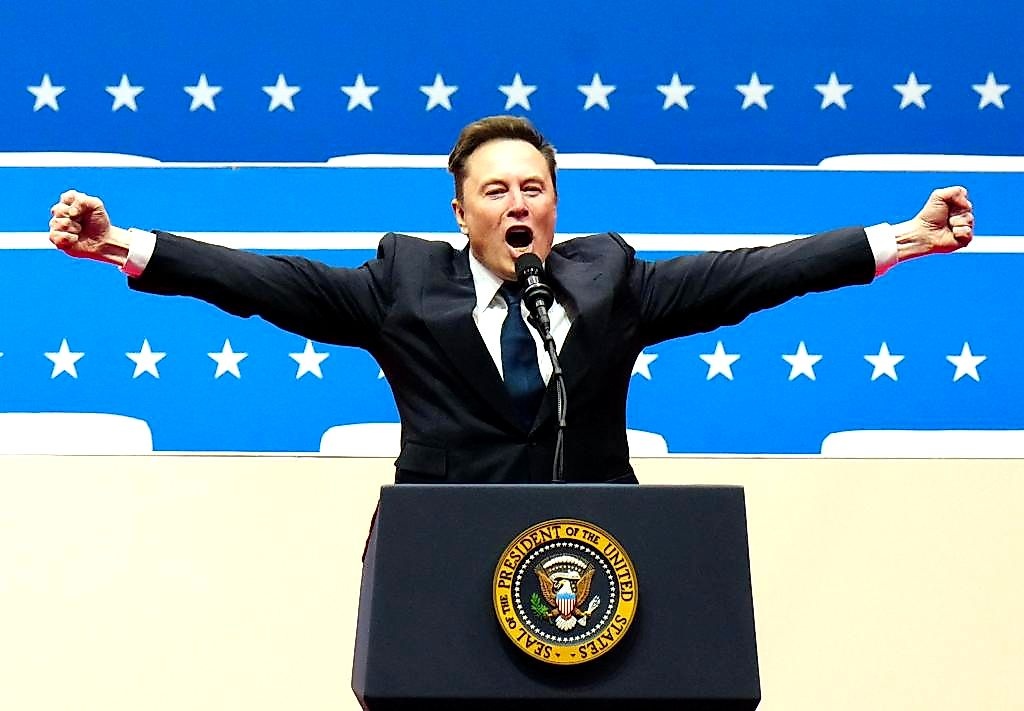
# Alex Gibney’s “Musk” Provokes Elon Musk’s 2‑Minute Hate Tweet In a world where a billionaire’s name can stir courtrooms and social media alike, director Alex Gibney’s latest documentary has become the most controversial entry in that conversation.
“Musk,” a scathing portrait of tech titan Elon Musk, drops into theaters on October 9, leaving the audience not only with a new look at a man who has reshaped multiple industries but also with a headline‑making threat: a looming defamation lawsuit.
In the same breath, Musk has answered the cinematic fire with a 2‑minute, 45‑second tirade on his X platform, calling Gibney a “horrible human” with “zero integrity.” The stakes—legal, reputational, and cultural—are higher than any other feature-length biopic in recent memory.
The film’s release is more than a cinematic event; it is a cultural battleground.
Gibney, known for his sharp documentaries on political figures and institutions, has chosen to confront Musk head‑on, presenting interviews, leaked texts, and data that paint a portrait of a self‑made mogul who often overstates his own role.
The film also delves into darker corners: allegations that Tesla’s autopilot was misrepresented, that the company may have hidden data from a fatal accident, and that Musk used his influence over the Dogecoin craze to further his own agenda.
The director’s approach—reliance on primary sources, a skeptical eye, and a willingness to let the audience decide—has drawn praise from some and criticism from others, most notably from Musk himself. Against this backdrop, the legal threat from Musk’s attorneys, represented by Alex Spiro, carries a chilling undertone.
The threat revolves around a segment that portrays Musk as telling former girlfriend Ashley St. Clair that he would “unleash an anomaly in the matrix” to tilt the 2024 election in favor of Donald Trump.
Musk’s team claims that this portrayal amounts to defamation, while Gibney insists that the film merely relayed what Musk said to St. Clair, leaving intent and truth to the viewer.
The potential lawsuit could trigger discovery, forcing both sides to unearth internal data—Tesla sensor logs, SpaceX hard drives, and DOGE trading records—that could further alter the public’s perception of Musk. ## Background & Context Alex Gibney first announced “Musk” in 2022, after a decade of meticulous research that included dozens of interviews with former Tesla and SpaceX employees, analysts, and Musk’s own associates.
He positioned the film as a “truthful” counterpoint to the often mythologized image Musk projects. In a conversation with a reputable entertainment news outlet, Gibney explained that the legal climate favors those with deep pockets.
“He’s well funded,” he said, describing how money can shape legal outcomes even when the law demands equality. “With our legal system, money talks in court in a way that it shouldn’t,” he added, noting that Musk’s resources far exceed those of the average citizen.
The documentary premiered at the Venice Film Festival, where it generated buzz and polarized audiences. Following that, the film debuted in Toronto before hitting the U.S. market under Bleecker Street’s banner.
Its release schedule—starting in New York and Los Angeles on October 9 and rolling nationwide thereafter—mirrors a strategic push to align with high-profile tech conferences and industry discussions.
The timing could not have been more calculated, as the film arrives during a period when Musk’s ventures—from SpaceX’s Starship flights to Tesla’s Model 3 deliveries—are under intense public scrutiny. A critical element of the film is its treatment of Tesla’s autopilot system.
Gibney alleges that the company hid data from a 2019 Florida crash involving a Tesla Model S on a T‑intersection, which resulted in the death of a 22‑year‑old woman. He cites other instances where Teslas, while in autopilot mode, were involved in fatal accidents.
The film also dives into Musk’s manipulation of the Dogecoin market during the early days of the Trump administration, suggesting that he leveraged insider information for profit. These allegations, if proven true, could spark regulatory investigations and alter the trajectory of Musk’s businesses.
The legal threat from Musk’s side hinges on a 2024 election clip in which St. Clair recounts Musk’s claim that he would “unleash an anomaly in the matrix.” The attorney, Alex Spiro, warned that the film could defame Musk by implying that he manipulated the election.
Gibney responded that the film does not claim Musk succeeded in altering the outcome, but simply presents the text that Musk sent to his former girlfriend. “The film doesn’t say he did this to manipulate the election,” he said.
“It shows that he was texting his lover, suggesting to her that he manipulated the election. So, was he lying to her?
Was he telling the truth? We don’t know.
That’s why you put it in the movie and it’s up to the viewer to find out.” ## What People Are Saying The film’s reception has been a mosaic of reactions. Industry insiders praise Gibney’s candidness, noting that his approach is grounded in documentary ethics.
“He doesn’t spin, he doesn’t sanitize,” one analyst remarked. Others, however, criticize the film for presenting Musk as a “bullshitter” and for potentially overlooking the collaborative nature of Tesla and SpaceX.
Gibney’s own words echo this skepticism: he has called Musk a “storyteller” more than a hands‑on engineer, a view that positions Musk as a front man who attracts top talent through vision, rather than technical execution.
The film’s release coincided with the debut of a new documentary on Elizabeth Holmes, the Theranos founder, directed by Nathan Fielder and Lance Oppenheim.
Both directors share a fascination with figures who, in their words, “generate a tremendous amount of interest.” Holmes’ film, released a week after “Musk,” shares thematic parallels—both women (or men) claimed to be visionary founders whose claims were later questioned.
Gibney has expressed an interest in watching Holmes’ film, noting that both women share a “determined fantasy” mindset, though he points out that Musk’s public narrative has been more effective at convincing investors and the media. Musk’s response to the film’s release was swift and incendiary.
Within hours of the Venice premiere, he unleashed a scathing X thread, labeling Gibney a “horrible human” with “zero integrity.” The director’s rebuttal was no less forceful. “He’s a bullshitter,” Gibney told a reporter while sipping coffee in a sunny harbor in Rockland, Maine.
He reiterated that Musk did not invent Tesla or SpaceX, but rather invested heavily in them, enabling them to grow. Musk’s “story” has been a marketing tool that feeds public perception, while the real success of the companies stems from the engineers and designers who work behind the scenes.
The legal threat also sparked a broader conversation about defamation law in the age of social media and viral content. Many commentators emphasize that the legal system is currently skewed in favor of those with substantial financial resources, a point that underpins the entire drama.
Gibney’s own experience with Henry Kissinger’s documentary is cited as a cautionary tale: lawsuits can compel parties to disclose private data, which may lead to revelations that could undermine the very narrative the plaintiff seeks to protect. ## What Happens Next As the film opens its doors to a national audience, the legal battle is poised to intensify.
If Musk’s attorneys proceed with the defamation suit, the discovery process could demand access to Tesla’s internal data, SpaceX’s hard drives, and the raw material behind Dogecoin’s meteoric rise.
Such a revelation could not only damage Musk’s reputation but also impact his companies’ valuations and investor confidence. Conversely, the lawsuit could also backfire by exposing the very evidence that the director claims to have already shared, potentially reinforcing his narrative.
For Gibney, the focus remains on ensuring the film’s integrity. He has indicated that he will not alter or edit the content under threat of a lawsuit.
Instead, he plans to use the public’s reaction as a gauge of Musk’s influence over his own narrative.
He has also hinted at a potential follow‑up project that could investigate the fallout from the legal proceedings, whether it be a deeper dive into Tesla’s autopilot data or an exploration of the broader implications for Silicon Valley accountability.
From a broader industry perspective, the outcome of this conflict could set a precedent for future documentaries that tackle living public figures. If Musk’s legal team successfully forces the release of internal data, other filmmakers may be deterred from tackling contentious subjects.
On the other hand, a ruling that protects the director’s right to present unverified claims could embolden investigative journalists and filmmakers to pursue more aggressive storytelling. As the courts prepare to weigh in, audiences will be watching closely.
The public’s appetite for truth—whether it confirms or refutes Musk’s alleged misdeeds—remains voracious.
Whether the legal system ultimately cements the narrative that Gibney presents or pushes back against it, the conversation sparked by “Musk” will likely reverberate through the tech industry and the media landscape for months, if not years, to come.
At a Glance
- Alex Gibney's documentary “Musk” exposes alleged missteps in Tesla, SpaceX, and Dogecoin, sparking a legal threat from Elon Musk’s attorneys.
- Musk retaliated with a 2‑minute X rant, calling the director a “horrible human” and “zero integrity,” as the film presents a controversial claim about manipulating the 2024 election.
- The looming defamation lawsuit could force the release of confidential company data, setting a potential precedent for future documentaries on living public figures.
Why It Matters
Our Take
GoNews Pulse Editorial Team
This article was prepared for publication by GoNews Pulse and checked for publication requirements under our editorial standards. We review available information and correct material errors when they are identified.
Quick Answers
- What is the latest update on this story?
- Musk’s X rant called Gibney a 'horrible human' with 'zero integrity', while the film shows Musk texting his ex he’d ‘unleash an anomaly in the matrix’.
- Who is this story about?
- This article covers developments related to Gibney’s ‘Musk’ film sparks Elon’s 2‑minute hate tweet, sparking drama. GoNews Pulse's editorial team monitors the story and updates the article as new verified information becomes available.
- Where can I read more about celebrity news?
- GoNews Pulse publishes original reporting on celebrity news and related entertainment news. Visit the homepage or browse the section dedicated to this story for the latest coverage.
More From This Section
Jessica Edwards' 27-Year Legacy Shakes Woodstock Film Festival
Jessica Edwards announced she will double the festival’s screen time for women filmmakers, promising a new wave of diverse stories at next spring’s event.

Taylor Swift's 36-Year-Old Red Turns Chiefs Fans Into Celebrity Crowd
Swift's front‑row red turtleneck and a heartfelt hug to Donna Kelce at Arrowhead left fans stunned as Chiefs edged Chargers 33‑30 in overtime.

Taylor Swift's 36-year-old drops 'The Fate of Ophelia' at Academy Gala
She stunned in a strapless pale‑blue Dior gown, opening with a brand‑new Toy Story 5 track and a 'Blank Space' performance, showcasing her theatrical flair.