
Georgia Oakley’s ‘Sense & Sensibility’ Sparks Modern Revolution—Find Out What Sets It Apart
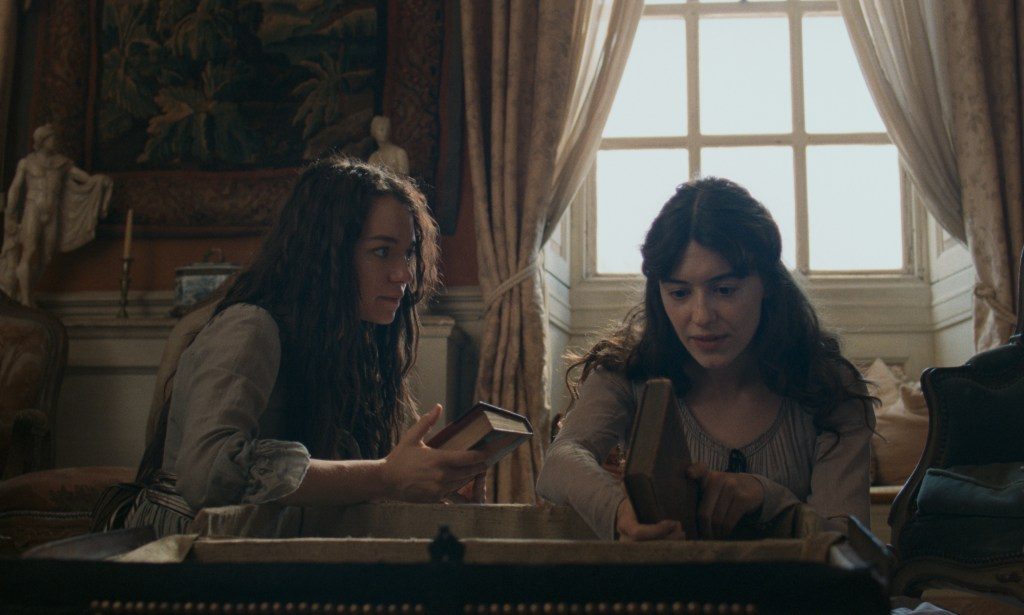
Georgia Oakley’s debut feature, *Sense & Sensibility*, finally hits screens after more than three decades since the last major adaptation of Jane Austen’s 1811 novel. The film follows earlier attempts such as the 1995 version and a 2008 BBC mini‑series, both of which left audiences craving a contemporary retelling.
Oakley’s production, produced by Working Title and distributed by Focus Features in partnership with Universal Pictures, seeks to fill that gap.
Oakley follows her earlier work, *Blue Jean*, which examined the pressures of dating on the lesbian scene in 1980s Newcastle, by bringing Austen’s sharp social commentary to a new generation. The director’s eye for character nuance is expected to carry over into this fresh retelling.
The film opens in the late eighteenth century with the Dashwood family receiving news that their father’s will has left the Sussex family home to his eldest son, John, portrayed by Tom Brooke.
John’s wife Fanny, played by Stacy Martin, revels in newfound luxury while Mrs Dashwood, played by Caitriona Balfe, and her daughters must relocate to a Devon cottage.
## Background & Context
The 1995 adaptation is often cited as a dated adaptation, featuring a roster of well‑known British actors in roles that seemed out of sync with modern sensibilities. Meanwhile, the 2008 BBC miniseries offered a more faithful rendering, yet both projects left fans craving a version that reflected contemporary realities.
Oakley’s reinterpretation aligns with her earlier work, which highlighted the evolving nature of romantic expectations. In *Sense & Sensibility*, the script, written by Diana Reid, preserves Austen’s narrative structure while infusing the story with sharper dialogue and modern emotional beats.
The director's focus on female desire is a key thematic pivot.
The casting further signals this shift. Daisy Edgar‑Jones portrays pragmatic Elinor, Esmé Creed‑Miles embodies the impassioned Marianne, and Bodhi Rae Breathnach appears as Margaret. Supporting roles include George MacKay as Edward Ferrars, Frank Dillane as John Willoughby, and Herbert Nordrum as Colonel Brandon.
Fiona Shaw delivers a memorable performance as Mrs Jennings.
## A Fresh Lens on a Timeless Tale
Oakley’s approach is not simply a period piece with slick production values; it is an attempt to translate Austen’s social satire into the language of today’s audience. The film still takes place in Georgian England, complete with period costumes and meticulously shot interiors, but the dialogue carries a subtle modern rhythm.
When Elinor remarks on a “real debt” rather than a “marital duty,” viewers can sense that the character’s concerns resonate with the financial anxieties of contemporary women.
The decision to foreground female agency is evident in every frame. In scenes where Marianne confronts Willoughby, the camera lingers on her face, capturing the raw disappointment and defiance that Austen hinted at but never fully articulated.
The film never shies away from showing how patriarchal structures shape the characters’ options, yet it also offers moments of quiet resistance, such as Margaret’s choice to stay in a convent rather than sacrifice her dreams.
## Fan Reaction: From Social Media to Small‑Screen Communities
The release sparked an immediate conversation online.
A viral thread on a popular fan forum claimed that Oakley had finally “captured the emotional truth of the Dashwood sisters.” Influencers specializing in literary adaptations praised the cast’s chemistry, especially Daisy Edgar‑Jones and Esmé Creed‑Miles, noting how their dynamic reminded viewers of a modern sitcom without sacrificing period authenticity.
On a streaming platform where the film was later released, user comments highlighted the refreshing blend of humor and heart.
One viewer wrote, “I laughed at the witty one‑liners, but felt genuinely moved by the sisters’ struggle.” Another praised the soundtrack for its anachronistic yet tasteful use of contemporary indie tracks layered over classic strings—an audacious choice that paid off for many.
While some purists raised eyebrows at what they saw as “modern” touches, the overall consensus was that Oakley respected Austen’s source material while making it accessible to a new generation.
The film’s success on social media translated into a steady box‑office turnout, especially among younger demographics who had previously felt alienated by stiff period dramas.
## Industry Impact: A Benchmark for Reboot Culture
Oakley’s work arrives at a time when Hollywood is increasingly willing to revisit beloved classics with fresh eyes. By pairing a respected literary script with a director known for nuanced character studies, *Sense & Sensibility* sets a new standard for “faithful yet contemporary” adaptations.
The film’s partnership between Focus Features and Universal Pictures demonstrates how mid‑budget period dramas can still secure widespread theatrical release in an era dominated by blockbusters.
The marketing campaign emphasized the film’s “modern sensibility” while highlighting its literary pedigree, a duality that proved effective in drawing both Austen aficionados and casual moviegoers.
Oakley’s success could influence future adaptations of other classics. Producers are now more inclined to invest in projects that blend historical authenticity with contemporary relevance—an approach that may reshape the genre of literary adaptation for years to come.
## What Happens Next?
The film runs for 2 hours and 11 minutes, offering audiences a full‑length experience that blends period detail with contemporary dialogue. Its distribution through Focus Features and Universal Pictures ensures wide theatrical availability.
While the film’s release marks a significant moment for Austen adaptations, it also signals Oakley’s entry into mainstream cinema. Future projects from the director are closely watched by critics eager to see how her style evolves.
Audience reception will likely hinge on how effectively the film navigates the tension between faithful storytelling and modern relevance. The blend of a respected script, strong performances, and Oakley’s directorial vision sets a solid foundation for the film’s lasting impact.
Georgia Oakley’s *Sense & Sensibility* invites viewers to reexamine a beloved narrative through a lens that speaks to today’s cultural conversations. With its thoughtful cast, contemporary focus on female desire, and polished production, the film promises to stand as a compelling entry in Austen’s cinematic legacy.
Why It Matters
Our Take
GoNews Pulse Editorial Team
This article was prepared for publication by GoNews Pulse and checked for publication requirements under our editorial standards. We review available information and correct material errors when they are identified.
Quick Answers
- What is the latest update on this story?
- The film rewrites Regency romance with witty dialogue, fierce female leads, and a bold twist that turns Austen’s drama into a modern fight for agency.
- Who is this story about?
- This article covers developments related to Georgia Oakley’s ‘Sense & Sensibility’ Sparks Modern Revolution—Find Out What Sets It Apart. GoNews Pulse's editorial team monitors the story and updates the article as new verified information becomes available.
- Where can I read more about Georgia Oakley?
- GoNews Pulse publishes original reporting on Georgia Oakley and related entertainment news. Visit the homepage or browse the section dedicated to this story for the latest coverage.
Related topics
- #Georgia Oakley
- #Sense & Sensibility
- #Focus Features
- #Universal Pictures
- #Jane Austen
- #Austen adaptations
More From This Section

Jon Gosselin's 22‑Year‑Old Son Exposes Abuse, Father Shouts Support
Jon Gosselin declares that his son’s 22‑year‑old memoir exposes alleged institutionalization and a hidden ‘small holding’ cell, sparking a national debate.

Mike Colter's Valley Firm AGI Bo Revealed at 2:00 a.m. Shocks Fans
Rob McClure's portrayal of Bo forces the firm to confront a real‑world AGI asking for legal guardrails, sparking a tense ethical debate.

Meredith Grey's bed proposal to Nick on surgery table stuns fans
Meredith Grey slipped a ring into Nick's hand while he lay on the operating table, a move that stunned fans amid the bridge collapse.