
George Santos' 38 Year Old Ex Congressman Criticizes Reality Stars
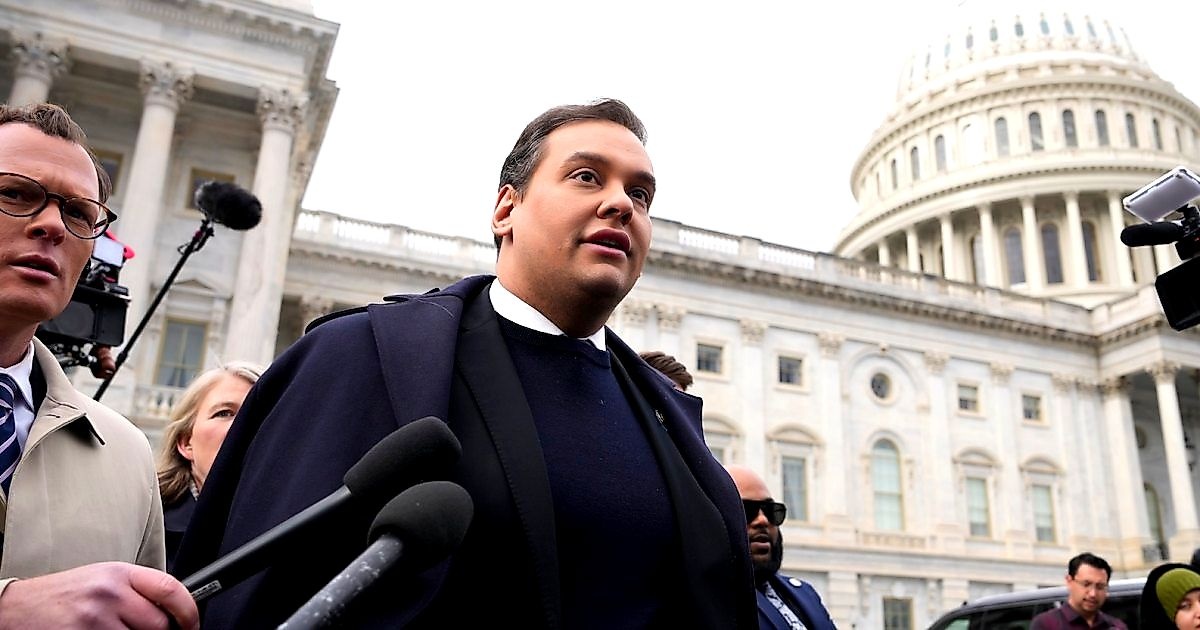
# George Santos, 38, Urges Voters to Pick Candidates Over Reality Stars In an interview that has already sparked debate across the political spectrum, former Representative George Santos, now 38, called for a sharper scrutiny of who is allowed into public office.
Speaking after a brief stint on a popular reality competition series, Santos urged Americans to be more selective about the individuals they send to Washington, His remarks arrive just weeks before a pivotal midterm election that will decide the balance of power in the House of Representatives.
Santos’s own political career was a whirlwind of promise, scandal, and downfall. He was expelled from Congress on December 1, 2023, following a detailed House Ethics Committee report that exposed extensive misuse of campaign funds.
The subsequent trial ended with an 87‑month federal sentence, a punishment that included charges of wire fraud and aggravated identity theft.
After serving roughly three months, he stepped into a new, unanticipated spotlight by joining the fifth season of FOX’s “Special Forces: World’s Toughest Test.” There, he faced physical challenges and, on October 1, voluntarily withdrew after reaching his limits, a moment that drew both admiration and critique from viewers.
The timing of Santos’s comments is noteworthy. As the nation readies itself for a midterm that could tilt the political landscape, the conversation about who qualifies as a viable candidate has intensified.
Santos’s candid critique reflects a growing frustration that celebrity and spectacle can sometimes eclipse substance in the political arena, a sentiment that resonates with voters tired of performative politics. ## Background & Context George Santos’s tenure in the U.S.
House of Representatives was marked by an early rise that many watched skeptically. He was elected and quickly became a controversial figure, with his campaign finances and personal background under intense scrutiny.
The House Ethics Committee’s report revealed that he had misappropriated campaign funds, a finding that culminated in his expulsion at the end of 2023. Legal proceedings followed, and he was sentenced to 87 months in federal prison, a punishment that underscored the severity of his offenses.
After serving roughly three months of his sentence, he joined the fifth season of FOX’s “Special Forces: World’s Toughest Test.” The show, which features contestants enduring grueling military‑style challenges, provided Santos with a platform that was unfiltered, raw, and markedly different from the polished world of congressional hearings.
The public’s reaction to his television appearance was complex. While some viewers criticized him for stepping into a reality show after a criminal conviction, others praised his willingness to face a new challenge.
The episode that aired on October 1, the day he left the show, marked a turning point in public perception that highlighted a more nuanced view of his persona. ## What People Are Saying In the interview, Santos did not mince words.
He described Washington as “Hollywood for ugly people,” a harsh metaphor that echoed the sentiment that the capital has become a stage for theatrics.
He also pointed to the influx of reality TV personalities entering politics, suggesting that they might be better suited to their original arena than to the halls of Congress.
His remarks were framed as a call to voters: “We should be more selective about who we send to office,” he said, highlighting the need for accountability and competence over fame. Santos referenced Marjorie Taylor Greene as a prime example, noting that her confrontational style could make for compelling television.
“She’d probably scream at the directing staff,” he mused, hinting at the spectacle that a former congresswoman might bring to a reality show. Greene’s own political trajectory, which saw her leave office on January 5, 2026, after a fallout with President Trump, has made her a polarizing figure.
Santos’s mention of her underscores his broader critique: that the political sphere is increasingly populated by individuals whose appeal lies more in personality than in policy. ## What Happens Next The upcoming midterm election will serve as a crucible for the nation’s debate on candidate selection.
With 50 % of the congressional seats at stake, the electorate’s choices will reflect broader attitudes toward political qualifications and the influence of celebrity culture. Legally, Santos’s 87‑month sentence, partially served, remains a backdrop.
In October 2025, a commutation by President Donald Trump reduced his remaining time, but the decision has not erased the convictions. Whether Santos seeks to run again—or if he will pivot entirely to entertainment—remains uncertain.
His recent statements suggest a desire to influence public discourse from outside traditional political structures, leveraging his newfound visibility to advocate for more thoughtful candidate vetting. The dialogue he sparked will likely echo beyond the midterms.
As more personalities cross the threshold from fame to public office, voters will continue to weigh the merits of experience versus charisma. Santos’s candidness offers a cautionary tale and a call for heightened scrutiny.
Whether his critique will alter the electorate’s mindset or simply add another chapter to the ongoing debate remains to be seen. In sum, George Santos’s recent remarks serve as a mirror reflecting a national conversation about who deserves a seat at the table of power.
Whether the audience takes heed or dismisses the former congressman’s warnings is a story that will unfold as the next election cycle draws closer.
At a Glance
- Former Rep Santos urges stricter vetting of candidates, especially reality TV stars.
- Santos brands Washington as 'Hollywood for ugly people' following his stint on FOX’s toughest test.
- His remarks arrive just before midterms, fueling debate on celebrity influence in politics.
Why It Matters
Our Take
GoNews Pulse Editorial Team
This article was prepared for publication by GoNews Pulse and checked for publication requirements under our editorial standards. We review available information and correct material errors when they are identified.
Quick Answers
- What is the latest update on this story?
- He said Washington is 'Hollywood for ugly people', warning voters to stop sending reality stars—after his own reality‑show exit.
- Who is this story about?
- This article covers developments related to George Santos' 38 Year Old Ex Congressman Criticizes Reality Stars. GoNews Pulse's editorial team monitors the story and updates the article as new verified information becomes available.
- Where can I read more about celebrity news?
- GoNews Pulse publishes original reporting on celebrity news and related entertainment news. Visit the homepage or browse the section dedicated to this story for the latest coverage.
More From This Section

Jon Gosselin's 22‑Year‑Old Son Exposes Abuse, Father Shouts Support
Jon Gosselin declares that his son’s 22‑year‑old memoir exposes alleged institutionalization and a hidden ‘small holding’ cell, sparking a national debate.

Mike Colter's Valley Firm AGI Bo Revealed at 2:00 a.m. Shocks Fans
Rob McClure's portrayal of Bo forces the firm to confront a real‑world AGI asking for legal guardrails, sparking a tense ethical debate.

Meredith Grey's bed proposal to Nick on surgery table stuns fans
Meredith Grey slipped a ring into Nick's hand while he lay on the operating table, a move that stunned fans amid the bridge collapse.