
George Floyd’s Family Uncovers $19M GoFundMe Red Flag, Demands Audit
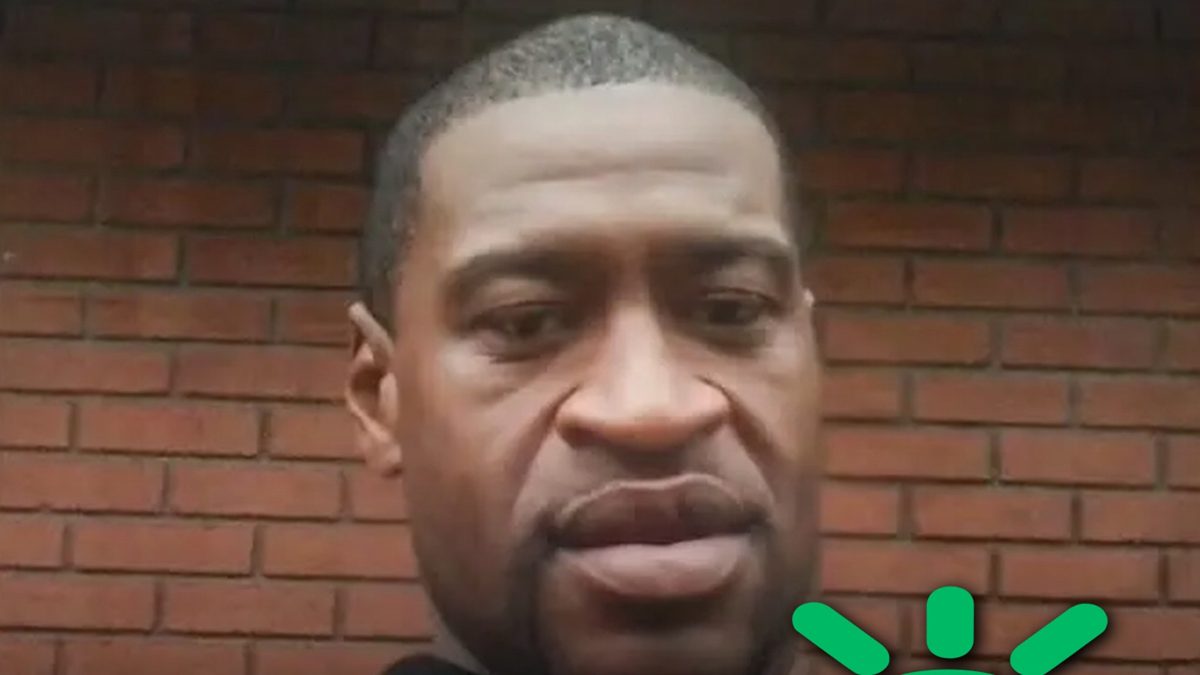
George Floyd’s relatives have sent a formal letter to his brother, Philonise Floyd, demanding a full accounting of the $19 million raised in a memorial GoFundMe campaign after his death.
The request, issued by a Houston‑based lawyer on behalf of sisters Zsazsa and LaTonya and brother Rodney, seeks clarity over how the money was handled following the tragic event. The family says they are entitled to a share as heirs but have not received any portion yet.
## Background & Context
The GoFundMe platform launched the fundraiser after George Floyd’s death on May 25, 2020. Within hours, donors worldwide began contributing, and by the end of the first week the campaign had already pulled in nearly $13 million from almost 500 000 donations—setting a new GoFundMe record at the time.
By August 11, when the family’s letter was obtained, the total sum had climbed to approximately $19 million.
The surge reflected a global outpouring of support for Floyd’s family and a broader call for justice. The campaign promised to cover funeral expenses, provide legal assistance for his relatives, and establish a scholarship fund in Floyd’s name.
Early on, donors were reassured that GoFundMe would act as a neutral steward, with the platform handling the collection and distribution of funds.
## The Family’s Legal Action
In its letter, the Houston lawyer argues that Philonise Floyd, who has been listed as the primary beneficiary in the GoFundMe account, has mismanaged the funds.
The family cites a lack of transparency: “We have received no statements, invoices, or updates regarding how donations were disbursed.” They request a complete audit and an explanation of every transaction, including any expenses that may have arisen from the campaign’s administrative costs.
The letter also demands that Philonise Floyd relinquish any claims to the money until an independent accounting is completed. The family stresses that they are entitled to a share as heirs and have yet to receive any portion.
They note that the original terms of the fundraiser stipulated that the proceeds would be divided among direct relatives, and that any additional distributions would require family consent.
## Public and Fan Reactions
The revelation has sparked mixed responses. Many supporters of Floyd’s legacy criticize Philonise Floyd for the lack of transparency, calling for accountability.
Social media users have flooded GoFundMe’s official pages with statements like “We deserve to know where our money is going” and “The family needs the funds now.” Some donors, however, express concern that further legal disputes could delay the delivery of essential services promised by the campaign.
On the other hand, a segment of online communities argues that the focus should remain on systemic change rather than individual financial disputes. “This isn’t about money; it’s about justice,” one commenter noted.
The debate underscores a broader conversation about how digital philanthropy intersects with activism and the responsibilities of donors toward recipients.
## Implications for Online Fundraising Platforms
The case shines a spotlight on the protocols governing large-scale crowdfunding campaigns. GoFundMe has long maintained that it does not act as a trustee, but instead facilitates the transfer of funds to named beneficiaries.
The Floyd family’s demand for an audit raises questions about whether platforms should adopt more rigorous oversight for campaigns that reach certain thresholds—particularly those tied to public figures or high-profile causes.
Industry experts suggest that this situation could prompt changes in terms of service agreements, incorporating mandatory periodic reporting or third‑party verification for campaigns above a predefined amount.
Others argue that imposing stricter controls could deter grassroots organizers who rely on the speed and flexibility of crowdfunding to respond to crises.
## Looking Ahead
The outcome of the family’s request will likely set a precedent for how memorial campaigns are managed moving forward. Whether Philonise Floyd complies and delivers the funds as promised, or if legal proceedings move forward, the case will reverberate across both the philanthropic community and the wider public.
It serves as a reminder that when millions of donors place their trust in online platforms, robust mechanisms for accountability become not just preferable but essential.
Why It Matters
Our Take
GoNews Pulse Editorial Team
This article was prepared for publication by GoNews Pulse and checked for publication requirements under our editorial standards. We review available information and correct material errors when they are identified.
Quick Answers
- What is the latest update on this story?
- Family’s audit quest uncovers a shocking twist in the $19M GoFundMe, leaving everyone to question if the money truly reached its intended destination.
- Who is this story about?
- This article covers developments related to George Floyd’s Family Uncovers $19M GoFundMe Red Flag, Demands Audit. GoNews Pulse's editorial team monitors the story and updates the article as new verified information becomes available.
- Where can I read more about George Floyd?
- GoNews Pulse publishes original reporting on George Floyd and related entertainment news. Visit the homepage or browse the section dedicated to this story for the latest coverage.
Related topics
- #George Floyd
- #Philonise Floyd
- #GoFundMe
- #online fundraising
- #crowdfunding accountability
More From This Section

Jon Gosselin's 22‑Year‑Old Son Exposes Abuse, Father Shouts Support
Jon Gosselin declares that his son’s 22‑year‑old memoir exposes alleged institutionalization and a hidden ‘small holding’ cell, sparking a national debate.

Mike Colter's Valley Firm AGI Bo Revealed at 2:00 a.m. Shocks Fans
Rob McClure's portrayal of Bo forces the firm to confront a real‑world AGI asking for legal guardrails, sparking a tense ethical debate.

Meredith Grey's bed proposal to Nick on surgery table stuns fans
Meredith Grey slipped a ring into Nick's hand while he lay on the operating table, a move that stunned fans amid the bridge collapse.